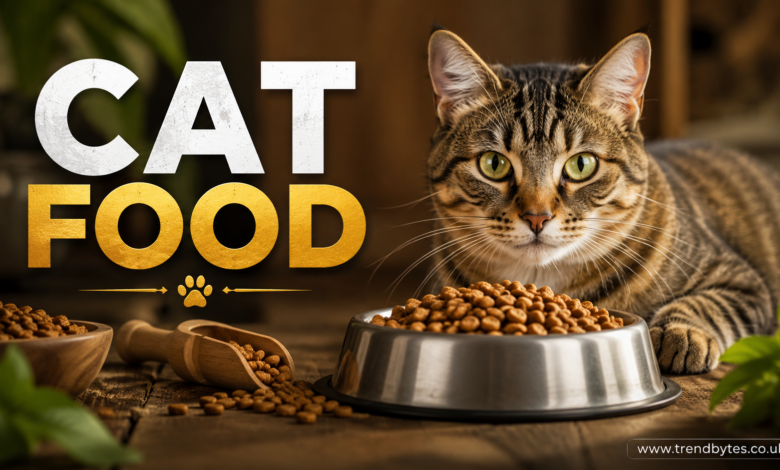
Choosing the right cat food is one of the most important decisions you can make as a pet owner. A balanced diet supports healthy growth, a shiny coat, strong muscles, good digestion, and a long, active life. However, with hundreds of brands and formulas available, finding the best option can feel overwhelming.
This guide explains everything you need to know about cat food, including different types, essential nutrients, how to read labels, feeding recommendations, common mistakes, and practical tips to help your cat stay healthy at every stage of life.
Why Cat Food Matters
Cats are obligate carnivores. Unlike many other animals, they depend on nutrients found primarily in animal-based proteins. Their bodies require specific amino acids, vitamins, and minerals that cannot be replaced with a plant-only diet.
High-quality cat food helps support:
- Healthy body weight
- Strong immune system
- Better digestion
- Healthy skin and coat
- Strong bones and muscles
- Heart health
- Brain and eye development
- Increased energy levels
Poor nutrition, on the other hand, may contribute to obesity, digestive issues, urinary problems, dull fur, and nutrient deficiencies.
Understanding Your Cat’s Nutritional Needs
Every cat has unique dietary requirements depending on age, activity level, lifestyle, and overall health.
Protein
Protein is the foundation of every healthy feline diet. Animal protein provides essential amino acids that support muscle maintenance, tissue repair, and overall health.
Common protein sources include:
- Chicken
- Turkey
- Salmon
- Tuna
- Beef
- Duck
- Lamb
Look for real meat as the first ingredient whenever possible.
Healthy Fats
Healthy fats provide concentrated energy and support brain development, skin health, and a glossy coat.
Beneficial fat sources include:
- Fish oil
- Chicken fat
- Salmon oil
Omega-3 and omega-6 fatty acids are especially important.
Taurine
Why Taurine Is Essential in Cat Food
Taurine is an amino acid that cats cannot produce in sufficient amounts. It plays a critical role in:
- Vision
- Heart function
- Reproduction
- Nervous system health
Quality cat food should always contain adequate taurine.
Vitamins and Minerals
Cats require balanced amounts of:
- Vitamin A
- Vitamin D
- Vitamin E
- Calcium
- Phosphorus
- Zinc
- Iron
These nutrients support healthy growth and body function.
Types of Cat Food
Understanding the available options makes it easier to choose the right diet.
Dry Cat Food
Dry kibble is one of the most popular choices.
Benefits include:
- Longer shelf life
- Convenient storage
- Easy portion control
- Often more affordable
Potential drawbacks:
- Lower moisture content
- Some products contain more carbohydrates
Fresh water should always be available.
Wet Cat Food
Wet food contains significantly more moisture.
Advantages include:
- Better hydration
- Highly palatable
- Easier to chew
- Helpful for senior cats
It usually costs more than dry food and spoils faster after opening.
Fresh Cat Food
Fresh cat food is minimally processed and often refrigerated or frozen.
Benefits include:
- High-quality ingredients
- Excellent taste
- Good moisture content
Proper storage is important to maintain freshness.
Freeze-Dried Cat Food
Freeze-dried products retain many nutrients while offering convenience.
Many owners use them as:
- Complete meals
- Meal toppers
- Healthy treats
Always follow preparation instructions if rehydration is recommended.
Prescription Cat Food
Veterinarians may recommend specialized diets for medical conditions such as:
- Kidney disease
- Diabetes
- Food allergies
- Urinary tract issues
- Weight management
These diets should only be used under professional guidance.
How to Read a Cat Food Label
Many pet owners focus only on marketing claims, but the ingredient list provides much more valuable information.
Look for:
- Named meat as the first ingredient
- Complete and balanced nutrition
- Taurine
- Animal-based protein
- Appropriate fat content
Be cautious if the first ingredients are primarily fillers instead of quality protein sources.
Choosing Cat Food by Life Stage
Cats have different nutritional needs throughout their lives.
Kittens
Growing kittens need:
- Higher protein
- More calories
- DHA for brain development
- Extra vitamins and minerals
Feed specially formulated kitten food until your veterinarian recommends transitioning.
Adult Cats
Adult cats benefit from balanced nutrition that supports:
- Healthy weight
- Muscle maintenance
- Energy
- Digestive health
Indoor cats often require fewer calories than highly active outdoor cats.
Senior Cats
Older cats may need:
- Easily digestible protein
- Joint-support ingredients
- Controlled calories
- Higher moisture intake
Regular veterinary checkups become increasingly important.
Wet vs. Dry Cat Food: Which Is Better?
Many owners wonder whether wet or dry food is the better choice.
The truth is that both can be healthy when nutritionally complete.
Wet food offers:
- Higher moisture
- Strong aroma
- Better hydration
Dry food offers:
- Convenience
- Dental crunch (although it does not replace dental care)
- Easier storage
Many veterinarians recommend combining both for balanced nutrition and variety.
Ingredients to Look For
High-quality cat food often includes:
- Real chicken
- Turkey
- Salmon
- Whitefish
- Eggs
- Fish oil
- Taurine
- Natural antioxidants
- Vitamins
- Minerals
Ingredients should match your cat’s life stage and health requirements.
Ingredients to Limit
Some ingredients are not necessarily harmful but should not dominate the formula.
These include:
- Excess fillers
- Artificial colors
- Artificial preservatives
- Large amounts of added sugars
- Excessive carbohydrates
Always evaluate the overall nutritional balance rather than judging a single ingredient alone.
Feeding Tips for Healthy Cats
Creating healthy feeding habits benefits both you and your cat.
Expert recommendations include:
- Feed consistent portions.
- Follow feeding guidelines.
- Measure food accurately.
- Keep fresh water available.
- Avoid excessive treats.
- Monitor body condition regularly.
- Transition to new foods gradually over 7–10 days.
Small adjustments can significantly improve long-term health.
Common Cat Food Mistakes to Avoid
Even caring owners sometimes make feeding mistakes.
Overfeeding
Obesity is one of the most common health concerns in cats.
Measure portions rather than guessing.
Switching Foods Too Quickly
Sudden diet changes can cause digestive upset.
Introduce new food gradually by mixing increasing amounts with the current food.
Feeding Dog Food
Dog food does not meet a cat’s nutritional needs.
Cats require nutrients like taurine that may not be present in sufficient amounts in dog food.
Ignoring Water Intake
Cats naturally drink less water.
Including wet cat food can help improve hydration, especially for cats prone to urinary issues.
Giving Too Many Human Foods
Some human foods can be harmful.
Avoid feeding:
- Chocolate
- Onions
- Garlic
- Grapes
- Raisins
- Alcohol
- Excess dairy
When in doubt, stick to foods formulated specifically for cats.
Best Practices for Choosing Cat Food
Follow these proven strategies when shopping.
- Match food to your cat’s age.
- Consider activity level.
- Choose complete and balanced formulas.
- Prioritize animal protein.
- Monitor your cat’s weight.
- Watch for food sensitivities.
- Consult your veterinarian for medical conditions.
- Read labels instead of relying on marketing claims.
Real-World Example
Imagine two indoor adult cats.
Cat A receives measured portions of high-quality cat food with both wet and dry meals. Fresh water is always available, and treats are limited.
Cat B receives unlimited dry food throughout the day along with frequent table scraps.
After one year, Cat A maintains a healthy weight, while Cat B becomes overweight and develops digestive problems.
This example highlights how proper nutrition and portion control can make a significant difference.
Expert Tips for Feeding Success
Experienced pet nutrition professionals often recommend these habits:
- Store dry food in airtight containers.
- Refrigerate opened wet food promptly.
- Wash food bowls daily.
- Monitor appetite changes.
- Schedule regular veterinary wellness exams.
- Weigh your cat every few months.
- Adjust portions if activity levels change.
Consistent care helps prevent many nutrition-related problems.
Signs Your Cat Is Eating the Right Food
Healthy cats commonly show these signs:
- Bright eyes
- Soft, shiny coat
- Healthy weight
- Strong muscles
- Normal digestion
- Good energy
- Healthy appetite
- Consistent litter box habits
If your cat develops vomiting, diarrhea, sudden weight changes, or poor appetite, consult your veterinarian.
People Also Ask
What is the healthiest cat food?
The healthiest cat food is nutritionally complete, high in animal protein, contains taurine, healthy fats, vitamins, and minerals, and matches your cat’s life stage and health needs.
Is wet cat food better than dry cat food?
Both can be healthy. Wet food supports hydration, while dry food is convenient and easy to store. Many owners successfully feed a combination of both.
How often should I feed my cat?
Most adult cats eat two meals per day, while kittens usually require more frequent feeding. Follow feeding guidelines and your veterinarian’s recommendations.
Can cats eat homemade food?
Homemade diets can be challenging to balance properly. Without careful formulation, nutritional deficiencies may develop. Consult a veterinary nutrition professional before switching.
How do I switch my cat to a new food?
Gradually mix increasing amounts of the new food with the old food over 7 to 10 days to reduce digestive upset.
Is grain-free cat food necessary?
Not necessarily. Unless recommended for a specific medical reason, many cats do well on diets that include grains as part of a balanced formula.
How much cat food should I feed daily?
The correct amount depends on your cat’s age, weight, activity level, and calorie needs. Follow the feeding guide on the package and adjust based on your veterinarian’s advice.
What ingredients should be first in cat food?
High-quality animal proteins such as chicken, turkey, salmon, or beef should ideally appear first on the ingredient list.
Conclusion
Selecting the right cat food is one of the simplest ways to support your pet’s long-term health and happiness. Focus on complete and balanced nutrition, prioritize high-quality animal protein, choose food that matches your cat’s life stage, and practice proper portion control. Whether you feed wet food, dry food, fresh meals, or a combination, consistency and quality are key. By making informed choices today, you can help your cat enjoy a healthier, more active, and more comfortable life for years to come.