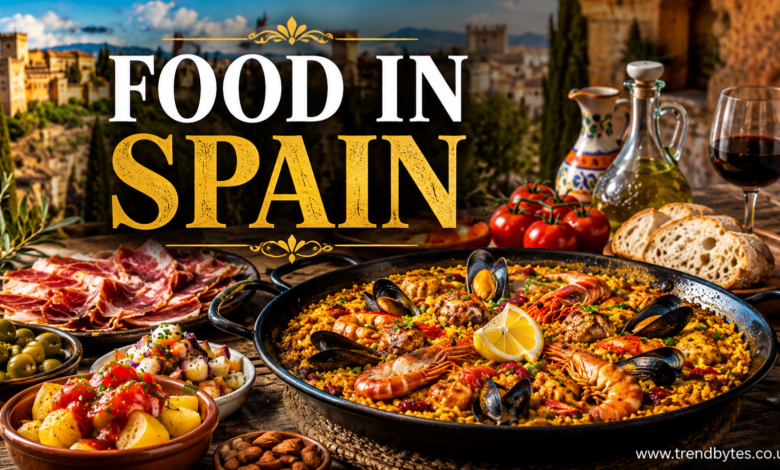
The food in Spain is one of the country’s greatest attractions, blending fresh ingredients, centuries-old traditions, and regional flavors into unforgettable meals. Whether you’re planning a trip to Spain or simply want to explore Spanish cuisine from home, you’ll find a rich variety of dishes that celebrate seafood, meats, vegetables, olive oil, and local spices.
From world-famous paella to delicious tapas and sweet churros, Spanish food offers something for every taste. This guide explores the best food in Spain, popular regional specialties, dining customs, and expert tips to help you experience authentic Spanish cuisine.
Why Food in Spain Is Famous Around the World
Spanish cuisine is admired for its simplicity and high-quality ingredients. Rather than relying on heavy sauces, many dishes highlight fresh produce, seafood, meats, herbs, and extra virgin olive oil.
Several factors make Spanish food unique:
- Fresh seasonal ingredients
- Strong regional traditions
- Mediterranean influences
- High-quality olive oil
- Excellent seafood
- Traditional cooking techniques
- Family-centered dining culture
- Wide variety of flavors
Every region has its own specialties, making Spain a paradise for food lovers.
Traditional Food in Spain Everyone Should Try
1. Paella
Paella is Spain’s most famous dish.
Originally from Valencia, this rice dish is cooked in a wide shallow pan with ingredients such as:
- Chicken
- Rabbit
- Seafood
- Green beans
- Saffron
- Tomatoes
- Olive oil
Authentic paella varies by region, and seafood versions are especially popular along the coast.
2. Tapas
Tapas are small plates served as appetizers or shared meals.
Popular tapas include:
- Patatas bravas
- Garlic shrimp
- Spanish omelet
- Croquettes
- Fried squid
- Olives
- Manchego cheese
- Cured ham
Ordering several tapas allows diners to enjoy many flavors in one meal.
3. Tortilla Española
This Spanish potato omelet is simple but delicious.
Made with:
- Potatoes
- Eggs
- Onion (optional)
- Olive oil
It can be served warm or cold and is commonly enjoyed for lunch or dinner.
4. Jamón Ibérico
One of Spain’s most prized foods is Jamón Ibérico.
This premium cured ham is known for:
- Rich flavor
- Tender texture
- Long aging process
- High-quality pork
It is often served with bread and cheese.
5. Gazpacho
Gazpacho is a refreshing cold tomato soup perfect during warm weather.
Typical ingredients include:
- Tomatoes
- Cucumbers
- Bell peppers
- Garlic
- Olive oil
- Vinegar
It is especially popular in southern Spain.
Regional Food in Spain
Spain’s regions each have unique culinary traditions.
Valencia
Known for:
- Authentic paella
- Fresh seafood
- Rice dishes
- Citrus fruits
Andalusia
Popular dishes include:
- Gazpacho
- Fried fish
- Salmorejo
- Iberian ham
Catalonia
Famous foods include:
- Escalivada
- Seafood stews
- Crema Catalana
- Tomato bread
Basque Country
Known for:
- Pintxos
- Cod dishes
- Grilled steak
- Seafood
Galicia
Specialties include:
- Octopus
- Mussels
- Fresh oysters
- Empanadas
Exploring regional cuisine is one of the best ways to experience authentic food in Spain.
Popular Seafood Dishes
Spain has an extensive coastline, making seafood an essential part of many meals.
Popular seafood includes:
- Grilled octopus
- Mussels
- Clams
- Shrimp
- Squid
- Sardines
- Tuna
- Cod
Fresh seafood is commonly grilled, fried, or served in rice dishes.
Spanish Meat Dishes
Meat lovers have plenty of choices.
Popular options include:
- Roast lamb
- Pork loin
- Chorizo sausage
- Grilled beef
- Chicken stews
- Meatballs in tomato sauce
Many recipes have been passed down through generations.
Vegetarian Food in Spain
Vegetarians can also enjoy many delicious dishes.
Popular options include:
- Spanish omelet
- Grilled vegetables
- Patatas bravas
- Mushroom tapas
- Tomato bread
- Vegetable paella
- Gazpacho
- Mixed salads
Fresh produce plays an important role in Spanish cooking.
Traditional Spanish Desserts
No meal is complete without dessert.
Favorite sweets include:
Churros
Deep-fried dough served with thick hot chocolate.
Crema Catalana
A creamy custard with caramelized sugar on top.
Turrón
A traditional almond nougat enjoyed during holidays.
Flan
A smooth caramel custard popular throughout Spain.
Almond Cake
Many regions prepare delicious almond-based desserts using local nuts.
Popular Spanish Drinks
Meals are often paired with refreshing beverages.
Common drinks include:
- Fresh orange juice
- Coffee
- Mineral water
- Sangria
- Local wines
- Cava
- Horchata
- Vermouth
Coffee culture is especially strong throughout Spain.
Typical Spanish Meal Times
Dining schedules in Spain differ from many countries.
Typical meal times include:
- Breakfast: 7:00–9:00 AM
- Lunch: 2:00–4:00 PM
- Afternoon snack: 5:00 PM
- Dinner: 9:00–11:00 PM
Restaurants may open later than visitors expect.
Best Street Food in Spain
Street food is perfect for travelers.
Popular choices include:
- Bocadillos
- Churros
- Empanadas
- Croquettes
- Fried calamari sandwiches
- Potato wedges
- Roasted nuts
These snacks are affordable and satisfying.
Healthy Food in Spain
Spanish cuisine naturally supports a balanced diet.
Healthy foods include:
- Olive oil
- Fresh vegetables
- Seafood
- Beans
- Whole grains
- Fresh fruits
- Nuts
- Legumes
The Mediterranean style of eating is widely recognized for its health benefits.
Expert Tips for Enjoying Food in Spain
To get the most authentic experience:
- Eat where locals dine.
- Try regional specialties.
- Share tapas with friends.
- Visit local food markets.
- Choose seasonal ingredients.
- Enjoy leisurely meals.
- Don’t rush dinner.
- Explore small family-owned restaurants.
These tips help you discover the true flavors of Spain.
Common Mistakes to Avoid
Many travelers make avoidable dining mistakes.
Avoid these common errors:
- Ordering dinner too early.
- Eating only at tourist restaurants.
- Skipping local markets.
- Ignoring regional specialties.
- Expecting identical menus nationwide.
- Ordering too much food.
- Missing traditional desserts.
- Avoiding seafood near the coast.
Being open to local customs enhances your culinary experience.
Best Practices for Exploring Spanish Cuisine
Make your food journey more memorable by following these practices:
- Research regional dishes before traveling.
- Try at least one new food every day.
- Pair meals with local beverages.
- Ask servers for recommendations.
- Visit neighborhood bakeries.
- Explore fresh seafood markets.
- Taste authentic olive oils.
- Enjoy meals slowly with family or friends.
Spanish dining is about more than food—it’s about sharing experiences.
People Also Ask
What is the most famous food in Spain?
Paella is widely considered Spain’s most famous dish, followed by tapas, tortilla Española, and Jamón Ibérico.
What food should I try in Spain?
Must-try foods include paella, tapas, gazpacho, churros, croquettes, Jamón Ibérico, seafood, and regional specialties.
Is food expensive in Spain?
Spain offers options for every budget. Local cafés, markets, and tapas bars often provide affordable, high-quality meals.
What is a traditional Spanish breakfast?
A typical breakfast may include toast with tomato and olive oil, pastries, coffee, or churros with hot chocolate.
What are tapas?
Tapas are small portions of food served as appetizers or shared dishes, allowing diners to sample multiple flavors in one meal.
What desserts are popular in Spain?
Popular desserts include churros, flan, crema Catalana, almond cake, and turrón.
Is Spanish food spicy?
Most traditional Spanish dishes are flavorful rather than spicy. Paprika, garlic, herbs, and olive oil are used more often than hot chili peppers.
What is the healthiest food in Spain?
Grilled seafood, fresh salads, vegetable dishes, gazpacho, legumes, and olive oil-based recipes are among the healthiest choices.
Conclusion
The food in Spain reflects the country’s rich history, diverse regions, and passion for fresh, high-quality ingredients. From iconic dishes like paella and tapas to regional specialties, seafood, cured meats, and delicious desserts, Spanish cuisine offers unforgettable flavors for every type of traveler and food enthusiast.
Whether you’re visiting Spain or recreating its recipes at home, exploring food in Spain is a rewarding culinary adventure. Try local specialties, embrace regional traditions, and enjoy the relaxed dining culture that makes Spanish cuisine one of the world’s most celebrated food experiences.