How Did Michael Jackson Die? The Full Story Explained

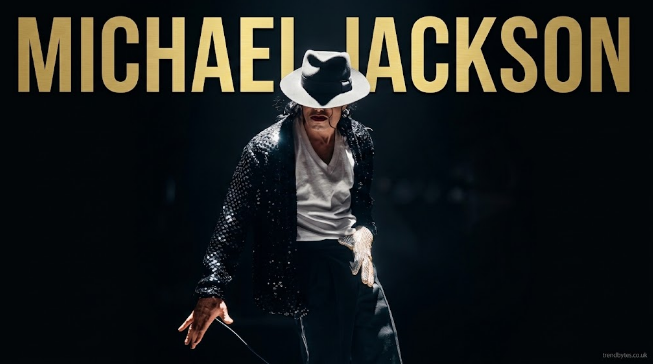
If you have searched how did michael jackson die, the short answer is that the singer died from acute propofol intoxication on June 25, 2009. The Los Angeles County medical examiner determined that his death was a homicide, and his personal physician, Dr. Conrad Murray, was later convicted of involuntary manslaughter in connection with his death.
Michael Jackson was 50 years old and preparing for his planned This Is It concert series in London when he died. His death shocked fans around the world and led to years of public discussion about his health, prescription medications, sleep problems, and the medical care he received during his final hours.
Here is what is known about his death and the events that followed.
How Did Michael Jackson Die?
Michael Jackson died on June 25, 2009, at his rented home in the Holmby Hills area of Los Angeles, California.
According to the official autopsy findings, the primary cause of death was acute propofol intoxication. Propofol is a powerful intravenous anesthetic normally used by medical professionals during surgery and certain medical procedures.
The medical examiner also identified other drugs in Jackson’s system, including lorazepam, a benzodiazepine medication. These substances contributed to the circumstances surrounding his death.
Jackson’s death was classified as a homicide by the Los Angeles County coroner. In this context, homicide was a medical-legal classification indicating that the death resulted from the actions of another person. It did not mean that Jackson was intentionally murdered.
The subsequent criminal case centered on the medical treatment provided by Dr. Conrad Murray.
What Happened on the Day Michael Jackson Died?
Jackson was staying at a rented mansion in Los Angeles while preparing for his upcoming concerts.
On the morning of June 25, Dr. Conrad Murray was providing medical care to Jackson. Murray later told investigators that Jackson had difficulty sleeping and had received several medications during the night and early morning.
Propofol was also administered.
At some point, Murray left Jackson alone in the bedroom. When he returned, he found Jackson unresponsive and not breathing normally.
Murray attempted to revive him and eventually sought emergency assistance.
Los Angeles emergency responders arrived at the property and continued resuscitation efforts. Jackson was transported to Ronald Reagan UCLA Medical Center, where doctors attempted to save his life.
Despite those efforts, Jackson was pronounced dead that afternoon.
He was 50 years old.
What Was Michael Jackson’s Official Cause of Death?
The official cause of death was acute propofol intoxication.
The autopsy also found that the effects of other sedative medications played a role.
Propofol is different from ordinary sleeping medication. It is an intravenous anesthetic capable of producing deep unconsciousness and suppressing breathing.
It is generally administered in controlled medical settings with appropriate monitoring and equipment.
Jackson’s use of propofol outside a standard surgical setting became one of the central issues in the investigation into his death.
Why Was Propofol So Important?
Jackson reportedly struggled with severe insomnia and had become dependent on medication to help him sleep.
According to evidence presented during the criminal trial, he referred to propofol as his “milk” because of its white appearance and its association with helping him sleep.
However, propofol is not an ordinary sleep aid.
It can cause profound sedation and respiratory depression. Without appropriate monitoring and immediate access to emergency equipment, complications can become fatal.
That made the circumstances of Jackson’s propofol use particularly important to investigators and prosecutors.
What Other Drugs Were Found?
The autopsy identified several substances in Jackson’s body.
The most important included propofol and lorazepam. Other medications were also detected, but the medical examiner determined that acute propofol intoxication was the primary cause of death.
The presence of multiple medications does not mean that every substance contributed equally.
This distinction matters because discussions about Jackson’s death sometimes incorrectly suggest that a single prescription medication was solely responsible.
The official findings pointed specifically to acute propofol intoxication, with other sedative drugs contributing to the overall circumstances.
Who Was Michael Jackson’s Doctor?
Dr. Conrad Murray was serving as Jackson’s personal physician during the period leading up to his planned concerts.
Murray was with Jackson during his final night and morning and became the central figure in the criminal investigation.
After Jackson’s death, authorities examined Murray’s medical decisions, including his administration of propofol, his monitoring of Jackson, and his actions after discovering that Jackson was unresponsive.
The investigation eventually resulted in criminal charges.
Was Michael Jackson’s Doctor Convicted?
Yes.
In 2011, Dr. Conrad Murray was found guilty of involuntary manslaughter in connection with Jackson’s death.
Prosecutors argued that Murray acted negligently by administering propofol in an inappropriate setting and failing to provide the level of monitoring and care that Jackson required.
The defense disputed aspects of the prosecution’s case, but the jury ultimately found Murray guilty.
He was sentenced to four years in prison. He served roughly half of that sentence before being released in 2013.
The conviction became one of the most significant legal outcomes connected to Jackson’s death.
Was Michael Jackson Murdered?
This question causes considerable confusion.
Jackson’s death was officially classified as a homicide, but that does not mean investigators concluded that someone deliberately set out to kill him.
In medical-legal terminology, homicide can describe a death caused by another person’s actions, including negligent or reckless conduct.
Murray was not convicted of murder. He was convicted of involuntary manslaughter.
Therefore, it is more accurate to say that Jackson died from an acute drug-related medical event and that his death was legally classified as a homicide, with his physician subsequently convicted of involuntary manslaughter.
Michael Jackson’s Final Concert Plans
At the time of his death, Jackson was preparing for a major comeback.
He was scheduled to perform a series of concerts at London’s O2 Arena under the title This Is It.
The concerts were expected to mark his return to the live stage after years away from major touring.
Jackson was rehearsing extensively in the weeks before his death. Footage from those rehearsals later became the basis for the documentary film This Is It.
The planned concerts added another layer to the public reaction. Jackson was only weeks away from beginning performances that had generated enormous international interest.
His sudden death therefore came at a moment when his professional career was once again receiving worldwide attention.
Did Michael Jackson Have Health Problems?
Jackson’s health has been the subject of extensive public speculation, but it is important to separate documented medical findings from rumors.
He had experienced various health issues over the years, including injuries and chronic pain associated with his demanding career.
His sleep difficulties were especially relevant to the circumstances surrounding his death.
Evidence from the investigation and trial showed that Jackson had difficulty sleeping and that medication was being used in an attempt to address the problem.
However, many claims circulated after his death were never established as facts.
When discussing Jackson’s medical history, reliable conclusions should be based on documented evidence rather than internet rumors or unverified stories.
The Role of Insomnia in His Final Days
Insomnia was an important part of the story because Jackson was reportedly desperate for sleep.
The investigation revealed that he had been using various medications in an attempt to rest.
His reliance on increasingly powerful drugs created serious medical risks.
Propofol is particularly dangerous when used without the safeguards normally associated with anesthesia. The drug can quickly cause unconsciousness and interfere with normal breathing.
Jackson’s reported desire to sleep and the medical decisions made to address that problem became central issues during the investigation and trial.
Common Misconceptions About Michael Jackson’s Death
Did Michael Jackson Die From a Heart Attack?
No. His official cause of death was acute propofol intoxication, not a heart attack.
Cardiac arrest occurred, as it does in many fatal medical emergencies, but cardiac arrest describes the final failure of the heart rather than necessarily identifying the underlying cause.
Did Michael Jackson Die From Drugs?
Yes, in the sense that acute intoxication from propofol was officially determined to have caused his death. Other medications were also present and contributed to the circumstances.
However, describing his death simply as a typical drug overdose can be misleading because propofol is a medical anesthetic and the case involved its administration in a medical context.
Was Michael Jackson Addicted to Propofol?
Claims about addiction should be treated carefully.
Jackson had reportedly developed a strong reliance on medications to help him sleep, but the official cause of death does not require a diagnosis of addiction. The key medical finding was acute propofol intoxication.
Did Michael Jackson Die During Rehearsal?
No.
Jackson died at his home in Los Angeles. His death occurred during the period when he was rehearsing for his planned London concerts, but he was not performing onstage when he died.
Why Michael Jackson’s Death Became Such a Major Story
Michael Jackson was one of the most commercially successful and influential entertainers in modern music.
His career included groundbreaking music videos, record-breaking albums, major concert tours, and a global fan base.
Because of his enormous public profile, news of his death immediately became an international event.
Millions of people watched tributes, purchased his music, and revisited his career. His posthumous documentary and music releases also generated significant interest.
The circumstances of his death added another dimension because they raised questions about celebrity healthcare, prescription drug use, physician responsibility, and the pressures surrounding major performances.
What Happened After Michael Jackson’s Death?
Following his death, authorities conducted an extensive investigation into the circumstances.
The coroner’s findings were followed by a criminal case against Conrad Murray.
Jackson’s family also became involved in legal disputes and other proceedings connected to his death and his business affairs.
Meanwhile, Jackson’s estate continued managing his music catalog, recordings, intellectual property, and commercial interests.
His posthumous career remained highly successful, demonstrating the lasting commercial and cultural impact of his work.
What Can Be Learned From the Case?
One of the clearest lessons from Jackson’s death concerns the risks associated with powerful medications.
Prescription drugs can be safe and effective when used appropriately, but some require careful monitoring and medical supervision.
Propofol is a particularly strong example. It is an anesthetic, not a conventional home treatment for insomnia.
The case also demonstrates why medical decisions involving sedatives cannot be separated from proper monitoring, emergency preparedness, and professional standards.
These lessons extend far beyond celebrity medicine.
People Also Ask
How did Michael Jackson die?
Michael Jackson died on June 25, 2009, from acute propofol intoxication. Other sedative medications, including lorazepam, were also present and contributed to the circumstances.
What was Michael Jackson’s official cause of death?
The official cause of death was acute propofol intoxication. The Los Angeles County coroner classified the manner of death as homicide.
How old was Michael Jackson when he died?
Michael Jackson was 50 years old when he died in June 2009.
Who was with Michael Jackson when he died?
His personal physician, Dr. Conrad Murray, was providing medical care to him at his home during his final hours.
What happened to Dr. Conrad Murray?
Murray was convicted of involuntary manslaughter in 2011 and sentenced to four years in prison. He was released in 2013 after serving about half of the sentence.
Why was Michael Jackson using propofol?
Evidence presented during the investigation and trial indicated that Jackson was struggling with severe insomnia and was using propofol in an attempt to sleep.
Was Michael Jackson’s death ruled a homicide?
Yes. The Los Angeles County medical examiner classified the manner of death as homicide. Murray was subsequently convicted of involuntary manslaughter rather than murder.
Where did Michael Jackson die?
Michael Jackson died at his rented home in the Holmby Hills area of Los Angeles, California. He was later taken to Ronald Reagan UCLA Medical Center, where he was pronounced dead.
Conclusion: How Did Michael Jackson Die?
So, how did Michael Jackson die? The official findings are clear: Michael Jackson died on June 25, 2009, at age 50, from acute propofol intoxication. Other sedative medications were also involved, and the Los Angeles County coroner classified the manner of death as homicide.
The case ultimately led to the conviction of his physician, Dr. Conrad Murray, for involuntary manslaughter. The tragedy also highlighted the serious risks of using powerful anesthetic drugs without the appropriate safeguards and monitoring.
Jackson’s death remains one of the most widely remembered events in entertainment history. While questions and rumors continue to circulate, the documented medical and legal findings provide the clearest explanation of what happened: a fatal drug-related medical event during a period when the singer was preparing for his highly anticipated return to the stage.