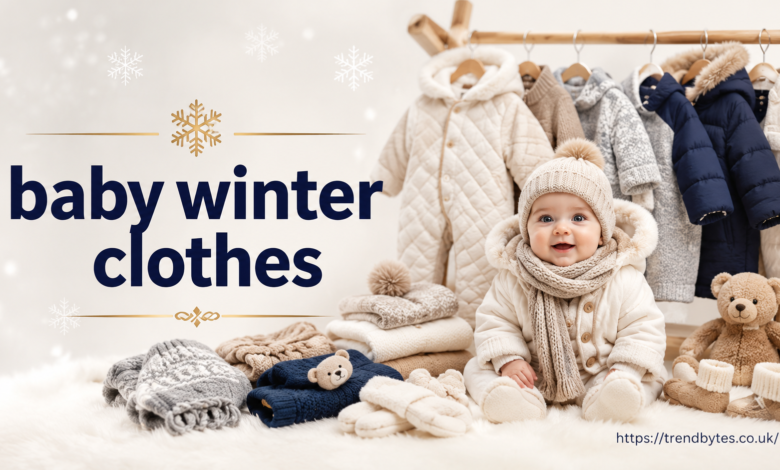
Baby winter clothes are essential for keeping infants warm, comfortable, and protected during cold weather. Babies cannot regulate their body temperature as effectively as adults, making proper winter clothing one of the most important purchases for parents. Choosing the right baby winter clothes ensures your little one stays cozy indoors and outdoors without overheating or feeling too cold.
Whether you’re shopping for a newborn or a growing infant, understanding fabric choices, layering techniques, sizing, and winter essentials will help you make smart decisions. This guide covers everything you need to know about baby winter clothes, from must-have outfits to practical buying tips.
Why Baby Winter Clothes Are Important
Cold temperatures can make babies uncomfortable because they lose body heat more quickly than older children and adults. Proper baby winter clothes provide insulation while allowing enough breathability to keep your baby comfortable throughout the day.
Quality winter clothing helps:
- Maintain a healthy body temperature.
- Protect delicate skin from cold winds.
- Keep babies comfortable during outdoor trips.
- Reduce the risk of chills and discomfort.
- Support safe and restful sleep in cooler environments.
Choosing the right clothing for different weather conditions helps parents balance warmth and comfort.
Essential Baby Winter Clothes Every Parent Should Buy
Building a practical winter wardrobe doesn’t require buying dozens of outfits. A few high-quality essentials can cover most daily needs.
Winter Bodysuits
Long-sleeve bodysuits provide a soft base layer that keeps babies warm while allowing easy movement. Cotton bodysuits are breathable and gentle on sensitive skin.
Warm Sleepsuits
Fleece or cotton-blend sleepsuits keep babies cozy during naps and nighttime without requiring multiple layers.
Sweaters and Cardigans
Soft knitted sweaters are perfect for adding an extra layer during colder days. Cardigans are convenient because they are easy to remove if your baby becomes too warm.
Winter Jackets
A lightweight insulated jacket is ideal for outdoor walks. Choose jackets that provide warmth without restricting movement.
Baby Snowsuits
For snowy or extremely cold weather, insulated snowsuits offer full-body protection against low temperatures and wind.
Warm Pants and Leggings
Fleece-lined pants or thermal leggings provide additional warmth while remaining comfortable for crawling and playing.
Winter Hats
A baby’s head loses heat quickly, making warm hats one of the most important pieces of baby winter clothes.
Mittens
Soft mittens protect tiny hands from cold weather and prevent babies from scratching their faces.
Warm Socks and Booties
Thick socks and insulated booties keep little feet warm, especially during outdoor activities.
Best Fabrics for Baby Winter Clothes
The fabric you choose has a major impact on your baby’s comfort.
Cotton
Cotton is soft, breathable, and suitable as the first layer because it feels gentle against delicate skin.
Fleece
Fleece provides excellent insulation while remaining lightweight, making it ideal for jackets, sleepsuits, and blankets.
Wool Blends
Merino wool blends offer natural warmth and moisture control while remaining soft enough for babies.
Organic Cotton
Organic cotton is a popular choice for parents looking for chemical-free, skin-friendly clothing.
Thermal Fabrics
Modern thermal materials trap body heat without adding excessive weight, making them ideal for outdoor winter clothing.
How to Layer Baby Winter Clothes Properly
Layering is one of the safest ways to keep babies comfortable during winter.
Base Layer
Start with a soft cotton bodysuit that keeps moisture away from the skin.
Middle Layer
Add a sweater, fleece top, or thermal outfit for insulation.
Outer Layer
Finish with a winter jacket or snowsuit when going outdoors.
The general rule is to dress your baby in one more layer than an adult would wear in similar weather.
Choosing the Right Size
Buying oversized winter clothes may seem practical, but clothing that is too large can reduce warmth and restrict movement.
When shopping:
- Follow the manufacturer’s size guide.
- Allow room for layering.
- Check sleeve and leg lengths.
- Avoid clothing that is excessively loose.
- Prioritize comfort over appearance.
Properly fitted baby winter clothes keep warmth close to the body while allowing babies to move naturally.
Must-Have Accessories
Winter accessories complete your baby’s cold-weather wardrobe.
- Soft knit hats
- Cotton-lined mittens
- Warm scarves designed for infants
- Insulated booties
- Cozy blankets
- Stroller footmuffs
- Ear warmers for older babies
These accessories provide additional protection during outdoor trips.
Safety Tips for Baby Winter Clothes
Keeping your baby warm should never compromise safety.
- Avoid overheating by checking your baby’s neck or back regularly.
- Remove thick jackets before placing babies in car seats.
- Choose breathable fabrics to reduce sweating.
- Avoid loose strings or decorative pieces.
- Select flame-resistant sleepwear when appropriate.
- Wash new clothes before first use.
Safety should always come before style.
Baby Winter Clothes for Different Occasions
Everyday Wear
Soft cotton bodysuits paired with warm leggings and sweaters work well for daily indoor use.
Outdoor Walks
Layer clothing with a fleece jacket, insulated hat, mittens, and warm booties.
Family Gatherings
Choose stylish knitted dresses, cozy rompers, or matching winter outfits that combine comfort with warmth.
Sleeping
Use breathable sleepwear appropriate for the room temperature instead of excessive blankets.
Common Mistakes Parents Should Avoid
Many parents unintentionally make winter dressing mistakes.
- Dressing babies too warmly.
- Choosing rough fabrics.
- Ignoring proper layering.
- Buying clothing without checking fabric quality.
- Forgetting hats and socks.
- Using oversized jackets that allow cold air inside.
- Purchasing fashionable clothing that sacrifices comfort.
Avoiding these mistakes helps your baby stay safe and comfortable all winter.
How to Care for Baby Winter Clothes
Proper maintenance extends the life of winter clothing.
- Wash baby clothes using gentle detergent.
- Separate delicate fabrics from heavier garments.
- Air dry wool whenever possible.
- Store winter clothes in a clean, dry place.
- Follow the care instructions on each garment.
- Remove stains promptly to preserve fabric quality.
Well-maintained baby winter clothes remain soft, clean, and ready for future use.
Buying Tips for Baby Winter Clothes
Shopping becomes easier when you know what to look for.
- Choose soft, breathable fabrics.
- Look for easy-to-use zippers or snap buttons.
- Prioritize comfort over fashion.
- Select neutral colors that match multiple outfits.
- Invest in high-quality essentials.
- Purchase versatile layering pieces.
- Check stitching and overall construction before buying.
High-quality clothing often lasts longer and provides better comfort throughout the winter season.
Are Organic Baby Winter Clothes Worth Buying?
Many parents choose organic baby winter clothes because they are made from natural fibers grown with fewer chemicals. Organic cotton is especially popular for newborns with sensitive skin. Although organic clothing may cost more, many families appreciate its softness, durability, and environmentally friendly production.
Conclusion
Baby winter clothes play a vital role in keeping infants warm, safe, and comfortable throughout the colder months. By selecting high-quality fabrics, dressing your baby in appropriate layers, choosing the correct size, and using essential winter accessories, you can confidently prepare for changing temperatures. Whether you’re shopping for everyday outfits, outdoor adventures, or cozy sleepwear, investing in well-made baby winter clothes ensures your child stays protected while enjoying maximum comfort. With thoughtful planning and smart purchasing decisions, you can create a practical winter wardrobe that keeps your little one happy, healthy, and ready for every cold-weather adventure.