Cardiologists Thanksgiving Food Avoid: A Heart-Healthy Guide to Smarter Holiday Eating

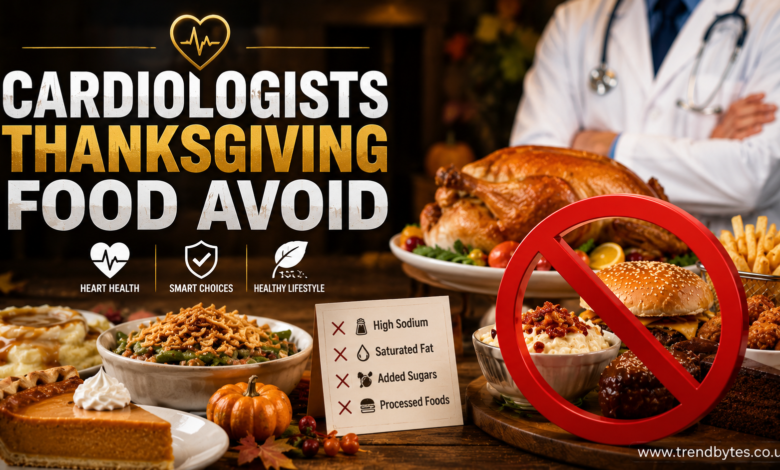
The holiday season is filled with family gatherings, traditions, and delicious meals, but it’s also a time when many people consume far more calories, sodium, sugar, and saturated fat than usual. If you’ve searched for cardiologists thanksgiving food avoid, you’re likely looking for expert advice on making healthier choices without missing out on your favorite holiday dishes.
The good news is that you don’t have to skip Thanksgiving dinner entirely. Most cardiologists encourage enjoying the holiday while being mindful of portion sizes, cooking methods, and ingredient choices. This guide explains which Thanksgiving foods are best enjoyed in moderation, healthier alternatives, practical tips, and simple strategies to support heart health during the holiday season.
Why Thanksgiving Can Be Challenging for Heart Health
A traditional Thanksgiving meal often includes multiple high-calorie dishes served in large portions.
Common concerns include:
- Excess sodium
- High saturated fat
- Added sugars
- Refined carbohydrates
- Large portion sizes
- Rich desserts
- Heavy gravies
- Sugary beverages
For people with heart disease, high blood pressure, diabetes, or high cholesterol, these choices may temporarily increase cardiovascular strain.
Understanding What Cardiologists Thanksgiving Food Avoid Means
When discussing cardiologists thanksgiving food avoid, the goal is not to eliminate every favorite food. Instead, heart specialists generally recommend limiting foods that are high in saturated fat, sodium, added sugar, and excessive calories.
Enjoying smaller portions while emphasizing nutrient-rich foods can help you celebrate without compromising your health goals.
Foods Cardiologists Commonly Recommend Limiting
Processed Meats
Highly processed meats are often high in sodium and saturated fat.
Examples include:
- Sausage stuffing
- Bacon
- Processed ham
- Salt-cured meats
If these foods are served, consider enjoying only a small portion.
Heavy Gravy
Gravy can add significant amounts of:
- Sodium
- Saturated fat
- Calories
Instead of covering your entire plate, use a small amount for flavor.
Butter-Loaded Mashed Potatoes
Traditional mashed potatoes may contain:
- Butter
- Heavy cream
- Whole milk
These ingredients increase saturated fat.
Healthier versions can use:
- Low-fat milk
- Olive oil
- Greek yogurt
while still maintaining a creamy texture.
Cream-Based Casseroles
Green bean casserole and similar dishes often contain:
- Cream soups
- Cheese
- Butter
- Fried toppings
Lighter recipes using fresh vegetables and reduced-fat ingredients can be equally satisfying.
Deep-Fried Foods
Deep-fried turkey and appetizers absorb additional fat during cooking.
Roasted, baked, or grilled options generally provide a lighter alternative.
Desserts to Enjoy in Moderation
Desserts are an important part of many family traditions, but they’re often high in added sugar and calories.
Popular Thanksgiving desserts include:
- Pumpkin pie
- Pecan pie
- Cheesecake
- Apple pie
- Cookies
- Sweet pastries
Enjoying a smaller slice rather than multiple desserts can help reduce overall sugar intake.
Why Sodium Matters
Many Thanksgiving dishes contain hidden sodium.
High sodium intake may contribute to:
- Elevated blood pressure
- Fluid retention
- Increased cardiovascular workload
Pay special attention to:
- Packaged stuffing mixes
- Canned soups
- Processed gravy mixes
- Frozen side dishes
- Cured meats
Preparing foods from scratch often allows better sodium control.
Better Thanksgiving Food Choices
Fortunately, many holiday favorites naturally support heart health.
Roasted Turkey
Turkey is an excellent source of lean protein.
Choose:
- Skinless turkey breast
- Roasted instead of fried
- Minimal added butter
Protein helps promote fullness while supporting muscle maintenance.
Fresh Vegetables
Colorful vegetables provide:
- Fiber
- Vitamins
- Minerals
- Antioxidants
Excellent choices include:
- Green beans
- Brussels sprouts
- Carrots
- Broccoli
- Roasted squash
Roasting vegetables with herbs and olive oil creates delicious flavor.
Sweet Potatoes
Sweet potatoes provide:
- Fiber
- Potassium
- Vitamin A
Skip excessive marshmallows and heavy brown sugar toppings for a healthier dish.
Whole Grains
Whole-grain stuffing made with vegetables and herbs can increase fiber while reducing refined carbohydrates.
Healthy Beverage Choices
Sugary drinks add calories without improving nutrition.
Better options include:
- Water
- Sparkling water
- Unsweetened tea
- Herbal tea
- Fruit-infused water
Staying hydrated also helps prevent overeating.
Portion Control Tips
One of the simplest heart-healthy strategies is controlling portions.
Try these guidelines:
- Fill half your plate with vegetables.
- Choose lean protein.
- Serve moderate portions of side dishes.
- Eat slowly.
- Wait before taking seconds.
- Listen to hunger cues.
Small adjustments often have a significant impact.
Smart Holiday Cooking Tips
You don’t have to sacrifice flavor for better nutrition.
Simple cooking improvements include:
- Roast instead of fry.
- Use herbs instead of excess salt.
- Replace butter with olive oil when appropriate.
- Reduce added sugar in desserts.
- Choose fresh ingredients.
- Use low-sodium broth.
These changes maintain flavor while improving nutritional quality.
Common Mistakes to Avoid
Many people unintentionally overeat during holiday meals.
Skipping Breakfast
Arriving extremely hungry often leads to overeating.
Instead, eat a balanced breakfast containing protein and fiber.
Drinking Too Many Sugary Beverages
Sweet drinks contribute additional calories and sugar.
Water remains the best choice throughout the day.
Going Back for Multiple Servings
Enjoy your favorite dishes, but avoid repeated trips to the buffet unless you’re still genuinely hungry.
Ignoring Physical Activity
A short family walk after dinner can support digestion and overall wellness.
Best Practices for a Heart-Healthy Thanksgiving
Experienced cardiologists often recommend these habits:
- Plan your plate before serving.
- Prioritize vegetables.
- Choose lean turkey.
- Eat slowly.
- Limit sodium.
- Stay hydrated.
- Enjoy desserts in moderation.
- Continue taking prescribed medications.
- Follow your healthcare provider’s dietary recommendations.
These simple strategies allow you to enjoy the celebration while supporting heart health.
Real-World Example
Imagine two Thanksgiving dinners.
Person A fills the plate with fried foods, multiple servings of stuffing, heavy gravy, sugary drinks, and several desserts.
Person B starts with vegetables, enjoys roasted turkey, adds moderate portions of favorite side dishes, drinks water, and shares dessert with family.
Both enjoy Thanksgiving, but Person B consumes significantly less sodium, saturated fat, sugar, and excess calories without feeling deprived.
Expert Tips for Healthier Holiday Eating
Heart health professionals often suggest:
- Use smaller plates.
- Start with vegetables.
- Eat mindfully.
- Pause before seconds.
- Focus on conversation rather than constant eating.
- Prepare healthier versions of traditional recipes.
- Balance holiday meals with nutritious choices throughout the week.
Consistency matters more than perfection.
Signs of a Balanced Thanksgiving Meal
A heart-conscious holiday plate often includes:
- Lean protein
- Plenty of vegetables
- Moderate portions
- Whole grains when available
- Healthy fats
- Limited added sugar
- Minimal excess sodium
This balanced approach supports both enjoyment and long-term health.
People Also Ask
What Thanksgiving foods do cardiologists recommend limiting?
Cardiologists commonly recommend limiting foods high in saturated fat, sodium, and added sugar, such as heavy gravies, processed meats, fried foods, and rich desserts.
Can I eat turkey on Thanksgiving?
Yes. Skinless roasted turkey is a lean source of protein and is generally considered a heart-friendly choice when prepared with minimal added fat.
Is stuffing unhealthy?
Stuffing can be high in sodium and refined carbohydrates, especially packaged varieties. Homemade versions with vegetables and whole grains may be a healthier option.
Are mashed potatoes bad for heart health?
Mashed potatoes themselves are not the issue. Recipes made with large amounts of butter and cream increase saturated fat. Lighter versions can be a better choice.
How can I reduce sodium during Thanksgiving?
Prepare dishes from scratch, use herbs and spices for flavor, choose low-sodium broth, and limit processed ingredients.
What desserts are healthier on Thanksgiving?
Fresh fruit, baked apples, smaller slices of pie, or desserts made with less added sugar can be lighter alternatives.
Should people with heart disease skip Thanksgiving dinner?
No. Most people can enjoy Thanksgiving by choosing balanced portions and following the dietary guidance provided by their healthcare professional.
What is the healthiest Thanksgiving plate?
A healthy Thanksgiving plate typically includes lean roasted turkey, plenty of vegetables, moderate portions of whole-grain sides, healthy fats, and a small dessert if desired.
Conclusion
Understanding cardiologists thanksgiving food avoid doesn’t mean eliminating your favorite holiday traditions. Instead, it encourages making thoughtful choices that support heart health while still allowing you to enjoy Thanksgiving with family and friends. By emphasizing lean turkey, colorful vegetables, whole foods, moderate portions, and limiting excess sodium, saturated fat, and added sugars, you can create a satisfying and balanced holiday meal. Keeping these cardiologists thanksgiving food avoid recommendations in mind will help you celebrate confidently while supporting your cardiovascular health throughout the holiday season.