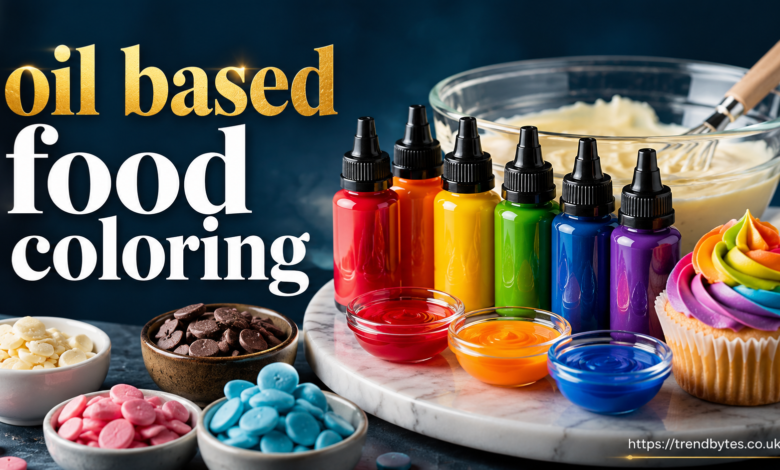
If you’ve ever struggled to color chocolate or buttercream without ruining the texture, oil based food coloring may be exactly what you need. Unlike traditional water-based food colors, oil based food coloring is specially formulated to blend smoothly with fat-based ingredients, making it the preferred choice for professional bakers, chocolatiers, and home decorators alike.
Whether you’re making colorful chocolate-covered strawberries, vibrant candy melts, or rich buttercream frosting, understanding how oil based food coloring works will help you achieve beautiful, professional-looking results every time.
What Is Oil Based Food Coloring?
Oil based food coloring is a concentrated coloring agent designed specifically for foods that contain fats or oils. Instead of using water as the primary carrier, these colors are formulated to mix evenly with ingredients like cocoa butter, chocolate, butter, and other oil-rich mixtures.
Because chocolate and fats naturally repel water, adding ordinary liquid food coloring can cause mixtures to seize, becoming thick, grainy, and difficult to work with. Oil based food coloring solves this problem by blending seamlessly into fat-based recipes.
Why Choose Oil Based Food Coloring?
Many bakers switch to oil based colors because they deliver reliable, vibrant results without affecting consistency.
Some of the biggest benefits include:
- Smooth blending with chocolate
- Bright, rich colors
- No clumping or seizing
- Highly concentrated formulas
- Easy color mixing
- Long-lasting color stability
- Professional-quality finish
These advantages make oil based food coloring an essential tool for anyone working with chocolate or butter-based desserts.
How Oil Based Food Coloring Works
Unlike standard food coloring, oil based formulas are suspended in edible oils that naturally combine with fats.
This allows the color to distribute evenly throughout ingredients such as:
- White chocolate
- Milk chocolate
- Dark chocolate
- Cocoa butter
- Buttercream
- Ganache
- Candy melts
Instead of separating, the color becomes part of the mixture, creating consistent and vibrant shades.
H2: Best Uses for Oil Based Food Coloring
One reason oil based food coloring is so popular is its versatility in baking and candy making.
Chocolate
Chocolate is one of the most common applications.
Oil based colors help create:
- Colored chocolate bars
- Chocolate decorations
- Drizzled chocolate
- Molded chocolates
- Chocolate-coated treats
The chocolate remains smooth while maintaining its glossy appearance.
Candy Melts
Candy melts contain oils and fats, making them ideal for oil based colors.
Popular projects include:
- Cake pops
- Chocolate-covered cookies
- Pretzels
- Rice cereal treats
- Marshmallows
Buttercream Frosting
Buttercream contains a high percentage of butter or shortening.
Oil based coloring blends beautifully into:
- American buttercream
- Swiss buttercream
- Italian buttercream
- Chocolate buttercream
The frosting stays creamy without becoming watery.
Ganache
Ganache combines chocolate with cream, creating a rich, smooth texture.
Oil based food coloring works well for decorative ganache used on:
- Cakes
- Cupcakes
- Drip cakes
- Truffles
Types of Food Coloring
Understanding the differences between food color types helps you choose the right product.
Water-Based Food Coloring
Best for:
- Cake batter
- Royal icing
- Pancake batter
- Drinks
Not recommended for chocolate.
Gel Food Coloring
Best for:
- Buttercream
- Fondant
- Cookie icing
- Cake batter
Some gel colors may still contain water and are not ideal for chocolate.
Powder Food Coloring
Ideal for:
- Dry mixes
- Macarons
- Dusting decorations
- Chocolate in certain applications
Requires careful mixing.
Oil Based Food Coloring
Best for:
- Chocolate
- Candy melts
- Buttercream
- Cocoa butter
- Ganache
This specialized formula delivers the smoothest results in fat-based recipes.
H2: How to Use Oil Based Food Coloring Correctly
Learning the proper technique ensures consistent color and texture.
H3: Step 1 – Melt Your Chocolate Properly
Melt chocolate slowly using:
- A microwave in short intervals
- A double boiler
Avoid overheating, as it can affect texture.
H3: Step 2 – Add Small Amounts
Start with just a few drops.
Oil based food coloring is highly concentrated, so a little goes a long way.
H3: Step 3 – Mix Thoroughly
Stir gently until the color becomes completely uniform.
No streaks should remain.
H3: Step 4 – Adjust Gradually
Need a deeper shade?
Add additional drops slowly instead of adding too much at once.
Color Mixing Tips
Creating custom shades is simple with a little planning.
Examples include:
- Red + Yellow = Orange
- Blue + Yellow = Green
- Red + Blue = Purple
- Red + White Chocolate = Pink
- Black + Brown = Dark Chocolate Effects
Always add darker colors gradually.
Best Practices for Professional Results
Follow these tips to achieve bakery-quality desserts.
Use Clean Equipment
Any water left on bowls or spoons may affect chocolate.
Dry all utensils completely before starting.
Work at the Right Temperature
Chocolate should remain warm enough for mixing but not so hot that it burns.
Temperature control improves both texture and appearance.
Mix Before Adding More Color
Wait until each addition is fully incorporated.
This prevents over-coloring.
Store Colors Properly
Keep bottles:
- Sealed tightly
- Away from sunlight
- At room temperature
- In a dry location
Proper storage extends shelf life.
Common Mistakes to Avoid
Many beginners experience problems because of a few simple errors.
Using Water-Based Food Coloring
This is the most common mistake.
Water causes chocolate to seize, making it thick and unusable.
Adding Too Much Color
Excess coloring can create shades darker than intended.
Always build color gradually.
Overheating Chocolate
Burned chocolate cannot be restored.
Heat slowly and stir frequently.
Mixing Too Quickly
Aggressive stirring may introduce air bubbles.
Gentle mixing creates smoother finishes.
Ignoring Expiration Dates
Old food coloring may lose strength or consistency.
Always check freshness before use.
Real-World Examples
Imagine you’re making chocolate-covered strawberries for a baby shower.
Instead of using standard liquid coloring, you use oil based food coloring to create soft pastel pink chocolate. The chocolate remains silky smooth, coats evenly, and hardens with a glossy finish.
Or perhaps you’re decorating a birthday cake with vibrant blue buttercream. Because the frosting contains butter, oil based coloring blends smoothly without thinning the icing, resulting in bold, consistent color throughout.
These examples show why choosing the correct type of coloring can make a significant difference in the final presentation.
Expert Tips
Professional decorators often follow these simple habits:
- Test colors on a small batch first.
- Mix custom shades before coloring large amounts.
- Keep several primary colors available.
- Record color formulas for future projects.
- Wear food-safe gloves when handling concentrated colors.
- Let colored chocolate rest briefly before molding.
- Use white chocolate as a blank canvas for bright colors.
These small techniques help achieve consistent results every time.
How to Choose the Best Oil Based Food Coloring
When shopping, look for products that offer:
- High color concentration
- Smooth consistency
- Easy dispensing bottles
- Fade-resistant colors
- Food-safe ingredients
- Wide color selection
Quality products often require fewer drops to produce vibrant shades, making them more economical over time.
People Also Ask
What is oil based food coloring used for?
Oil based food coloring is primarily used for coloring chocolate, candy melts, cocoa butter, buttercream, ganache, and other fat-based recipes where water-based colors may cause separation or seizing.
Can I use oil based food coloring in chocolate?
Yes. It is specifically designed for chocolate and mixes smoothly without affecting texture or consistency.
Is oil based food coloring better than gel food coloring?
For chocolate and oil-rich recipes, yes. Gel food coloring works well in many baking applications, but oil based coloring performs better in fat-based mixtures.
Can I use oil based food coloring in buttercream?
Absolutely. It blends well into buttercream, especially recipes with a high butter content, producing vibrant colors without thinning the frosting.
Does oil based food coloring change the taste?
No. When used in the recommended amounts, it provides color without noticeably affecting flavor.
How much oil based food coloring should I use?
Start with one or two drops and increase gradually until you achieve the desired shade. Since the coloring is concentrated, small amounts are usually enough.
Can I mix different oil based food coloring shades?
Yes. Mixing colors allows you to create custom shades for cakes, chocolates, candies, and other desserts.
How should oil based food coloring be stored?
Store it in a cool, dry place away from direct sunlight, with the bottle tightly sealed to maintain quality and color strength.
Conclusion
Whether you’re decorating cakes, creating colorful chocolates, or preparing elegant desserts, oil based food coloring is an essential ingredient for achieving professional-quality results. Its ability to blend effortlessly into fat-based recipes makes it the ideal choice for chocolate, candy melts, buttercream, ganache, and cocoa butter applications.
By understanding when and how to use oil based food coloring, following best practices, and avoiding common mistakes, you’ll create desserts with vibrant, consistent colors and smooth textures. Investing in high-quality oil based colors and applying them correctly will elevate your baking projects, helping every creation look as impressive as it tastes.