50 Soft Foods to Eat After Tooth Extraction for a Faster, More Comfortable Recovery

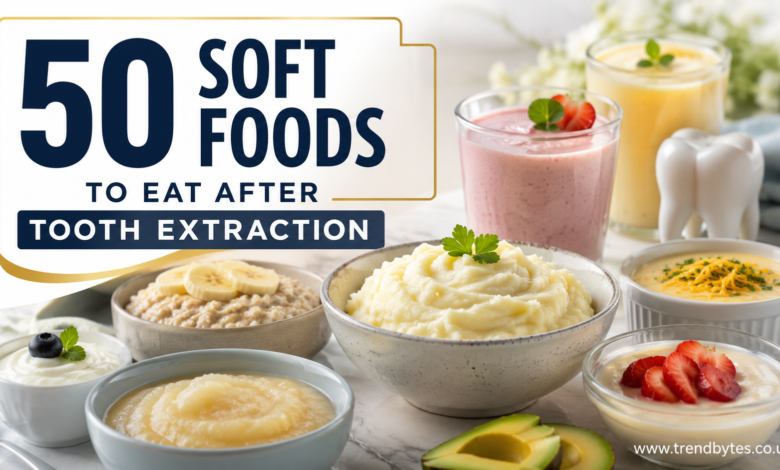
Recovering after a dental procedure can feel challenging, especially when eating becomes uncomfortable. Choosing the right foods is one of the best ways to support healing. This guide to 50 soft foods to eat after tooth extraction will help you enjoy nutritious meals while protecting the extraction site.
Soft foods reduce pressure on your gums, lower the risk of disturbing the blood clot, and make chewing easier. Whether you’ve had a wisdom tooth removed or a simple extraction, these food ideas can help you recover comfortably.
Why Soft Foods Matter After a Tooth Extraction
A tooth extraction leaves an open socket that needs time to heal. During the first few days, a blood clot forms over the area. This clot protects the bone and nerves underneath.
Eating hard, crunchy, or sticky foods too soon can:
- Dislodge the blood clot
- Delay healing
- Cause bleeding
- Increase pain
- Lead to dry socket
Soft foods minimize irritation and provide the nutrients your body needs to repair tissue.
50 Soft Foods to Eat After Tooth Extraction
Here are 50 soft foods to eat after tooth extraction that are gentle, filling, and easy to prepare.
Dairy Foods
- Plain yogurt
- Greek yogurt
- Cottage cheese
- Soft cream cheese
- Ricotta cheese
- Pudding
- Custard
- Ice cream (without crunchy mix-ins)
- Frozen yogurt
- Soft cheese slices
Fruits
- Applesauce
- Mashed bananas
- Avocado
- Fruit puree
- Soft canned peaches
- Soft canned pears
- Mango puree
- Mashed ripe papaya
Vegetables
- Mashed potatoes
- Sweet potato mash
- Pumpkin puree
- Mashed carrots
- Mashed cauliflower
- Creamed spinach
- Butternut squash puree
- Well-cooked zucchini
Protein-Rich Foods
- Scrambled eggs
- Soft-boiled eggs
- Egg salad
- Silken tofu
- Soft tofu
- Flaked baked fish
- Shredded chicken with gravy
- Tuna salad
- Hummus
Soups and Comfort Foods
- Tomato soup
- Chicken broth
- Vegetable soup (blended)
- Cream of mushroom soup
- Cream of chicken soup
- Lentil soup
- Split pea soup
Grains and Breakfast Foods
- Oatmeal
- Cream of Wheat
- Rice porridge
- Soft pasta
- Macaroni and cheese
- Soft rice
- Pancakes soaked with syrup
- Smoothies (without a straw)
These options provide a balance of protein, healthy fats, vitamins, and carbohydrates to support recovery.
Best Soft Foods to Eat After Tooth Extraction During Each Recovery Stage
First 24 Hours
Focus on cool or room-temperature foods, including:
- Yogurt
- Applesauce
- Pudding
- Smooth mashed potatoes
- Ice cream
- Protein shakes (drink from a cup, not a straw)
Avoid hot foods because they may increase bleeding.
Days 2–3
You can gradually add:
- Scrambled eggs
- Oatmeal
- Cottage cheese
- Blended soups
- Mashed sweet potatoes
- Avocado
Continue chewing on the opposite side of your mouth if possible.
Days 4–7
If healing is progressing well, try:
- Soft pasta
- Mac and cheese
- Flaked fish
- Soft rice
- Well-cooked vegetables
- Shredded chicken
Always stop if chewing causes pain.
Foods You Should Avoid
Some foods can slow healing or increase discomfort.
Avoid:
- Chips
- Popcorn
- Nuts
- Seeds
- Pretzels
- Crackers
- Hard bread
- Pizza crust
- Tough steak
- Jerky
- Sticky candy
- Chewing gum
- Hot spicy foods
- Acidic citrus fruits
- Carbonated drinks
- Alcohol
These foods may irritate the extraction site or become trapped inside the socket.
Sample Meal Plan After Tooth Extraction
Breakfast
- Greek yogurt
- Mashed banana
- Oatmeal
Mid-Morning Snack
- Applesauce
- Cottage cheese
Lunch
- Cream of chicken soup
- Mashed potatoes
Afternoon Snack
- Avocado
- Pudding
Dinner
- Soft pasta
- Flaked fish
- Cooked zucchini
Evening Snack
- Custard
- Smooth yogurt
This meal plan provides balanced nutrition while remaining easy to chew.
Nutrients That Help You Heal Faster
Eating nutritious foods can improve recovery.
Protein
Protein repairs damaged tissue.
Good choices include:
- Eggs
- Greek yogurt
- Cottage cheese
- Fish
- Tofu
- Chicken
Vitamin C
Vitamin C supports collagen production.
Soft sources include:
- Mango puree
- Papaya
- Smooth fruit blends
Vitamin A
Vitamin A supports tissue repair.
Choose:
- Pumpkin
- Sweet potatoes
- Carrots
Zinc
Zinc helps wound healing.
Soft sources include:
- Yogurt
- Eggs
- Beans
- Lentils
Healthy Fats
Healthy fats reduce inflammation.
Good options:
- Avocado
- Greek yogurt
- Soft fish
Hydration Tips After Tooth Extraction
Drinking enough fluids is just as important as eating.
Choose:
- Water
- Milk
- Herbal tea (cooled)
- Electrolyte drinks with low sugar
- Smooth soups
Avoid using a straw because suction can pull out the protective blood clot and increase the risk of dry socket.
Expert Tips for a Comfortable Recovery
Following a few simple habits can make recovery easier.
- Eat slowly.
- Choose lukewarm or cool foods.
- Brush carefully around the extraction site.
- Rinse gently with salt water after 24 hours if your dentist recommends it.
- Stay hydrated.
- Rest during the first day.
- Follow your dentist’s instructions carefully.
Small changes can make a big difference in healing.
Common Mistakes to Avoid
Many people unintentionally slow their recovery.
Avoid these mistakes:
- Eating crunchy foods too early
- Drinking through a straw
- Smoking or vaping
- Skipping meals
- Eating extremely hot foods
- Ignoring persistent pain
- Chewing directly on the extraction side
- Not drinking enough water
Being patient during the first week helps prevent complications.
Best Practices for Eating After a Tooth Extraction
For the smoothest recovery:
- Start with liquids and soft foods.
- Add more texture gradually.
- Prioritize protein at every meal.
- Eat smaller meals more often.
- Keep your mouth clean.
- Follow all post-operative instructions.
- Contact your dentist if symptoms worsen.
Consistency is more important than rushing back to your normal diet.
When Can You Return to Normal Foods?
Recovery times vary from person to person.
Most people can begin adding firmer foods after about one week if healing is going well. Wisdom tooth extractions and surgical procedures may require more time.
Only return to crunchy, chewy, or hard foods when your dentist says it is safe or when chewing is completely comfortable.
People Also Ask
Can I eat scrambled eggs after tooth extraction?
Yes. Scrambled eggs are one of the best foods because they are soft, rich in protein, and easy to chew.
Is mashed potato good after tooth extraction?
Absolutely. Mashed potatoes are gentle on the gums and provide energy while requiring very little chewing.
Can I eat rice after a tooth extraction?
Soft, well-cooked rice is usually safe after the first few days. Avoid dry or crunchy rice during the initial recovery period.
When can I eat solid food after tooth extraction?
Many people begin eating softer solid foods within 5 to 7 days, depending on healing and their dentist’s advice.
Can I drink coffee after tooth extraction?
It is generally best to avoid hot coffee during the first 24 to 48 hours because heat may interfere with healing. If you drink coffee later, let it cool first.
Are smoothies safe after tooth extraction?
Yes, as long as they are smooth and consumed from a cup instead of a straw.
What is the best fruit after tooth extraction?
Mashed bananas, avocado, applesauce, papaya, and mango puree are excellent choices because they are soft and nutritious.
What should I do if food gets stuck in the extraction site?
Do not poke the area with sharp objects. Gently rinse with water or a saltwater rinse after 24 hours if recommended by your dentist.
Conclusion
Choosing the right foods is one of the easiest ways to support a smooth recovery after dental surgery. This list of 50 soft foods to eat after tooth extraction provides plenty of delicious, nutritious options that are gentle on healing gums while helping your body recover faster.
Start with cool, soft foods during the first day, gradually introduce more texture as healing progresses, and avoid crunchy or sticky foods until your dentist approves. By following these recommendations and including these 50 soft foods to eat after tooth extraction in your daily meals, you can reduce discomfort, protect the extraction site, and return to your normal diet with confidence.