Food for Soft Matrix: The Complete Guide to Choosing the Right Soft Foods

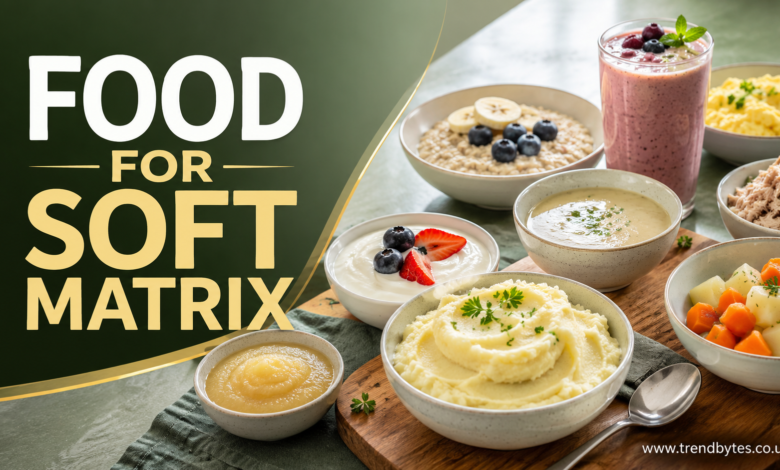
Finding the right food for soft matrix can make eating easier, safer, and more enjoyable when you’re recovering from dental work, oral surgery, jaw discomfort, or other conditions that require a soft diet. Choosing foods with the proper texture helps reduce discomfort while ensuring your body still receives the nutrients it needs.
A soft matrix diet focuses on foods that are tender, moist, and easy to chew. Instead of avoiding nutrition, the goal is to prepare meals that are gentle on the mouth while still providing protein, vitamins, healthy fats, and carbohydrates.
This guide explains everything you need to know about food for soft matrix, including the best food choices, foods to avoid, meal planning tips, common mistakes, and practical advice for everyday eating.
What Is Food for Soft Matrix?
The term food for soft matrix refers to foods that have a soft, smooth, or easily mashable texture. These foods require minimal chewing and are comfortable to swallow.
Healthcare professionals often recommend a soft matrix diet after:
- Wisdom tooth removal
- Dental implants
- Tooth extractions
- Oral surgery
- Jaw injuries
- Gum procedures
- Mouth sores
- Difficulty chewing
- Certain digestive conditions
The emphasis is on texture rather than specific food groups. Even nutritious foods can become part of a soft matrix diet when prepared properly.
Why a Soft Matrix Diet Matters
Eating hard or crunchy foods too soon can slow healing and increase discomfort. Soft foods help by:
- Reducing pressure on sensitive areas
- Preventing irritation
- Lowering the risk of injury
- Supporting proper healing
- Making meals more comfortable
- Helping maintain good nutrition
A well-planned soft diet also prevents unintentional weight loss by making eating easier.
Best Food for Soft Matrix
Many everyday foods naturally fit into a soft matrix diet.
Protein-Rich Foods
Protein supports tissue repair and recovery.
Good options include:
- Scrambled eggs
- Soft-boiled eggs
- Cottage cheese
- Greek yogurt
- Silken tofu
- Tender shredded chicken
- Flaky baked fish
- Ground turkey
- Slow-cooked beef
- Soft beans
- Lentil puree
Dairy Products
Dairy products are generally soft and nutritious.
Choose:
- Yogurt
- Pudding
- Ricotta cheese
- Cream cheese
- Soft cheese
- Milk
- Smooth smoothies
These foods provide calcium and protein while being easy to eat.
Fruits
Fresh fruit can still be part of your diet if prepared correctly.
Best choices include:
- Mashed bananas
- Applesauce
- Ripe avocado
- Mango puree
- Soft peaches
- Cooked pears
- Blended berries
Avoid fruits with seeds or tough skins if your mouth is sensitive.
Food for Soft Matrix: Soft Vegetables
Vegetables become much easier to eat after cooking.
Excellent choices include:
- Mashed potatoes
- Sweet potatoes
- Pumpkin puree
- Cooked carrots
- Steamed zucchini
- Well-cooked squash
- Mashed cauliflower
- Creamed spinach
Cook vegetables until they become very tender.
Soft Grains
Grains provide lasting energy while remaining gentle on the mouth.
Good options include:
- Oatmeal
- Cream of wheat
- Soft rice
- Risotto
- Polenta
- Pasta with soft sauces
- Soft noodles
- Quinoa cooked until tender
Adding broth or sauce can improve texture even further.
Soups That Fit a Soft Matrix Diet
Soups are one of the easiest ways to stay nourished.
Consider:
- Tomato soup
- Potato soup
- Butternut squash soup
- Lentil soup
- Chicken soup with soft vegetables
- Pureed vegetable soup
- Creamy mushroom soup
Avoid large chunks if chewing is difficult.
Healthy Snacks
Nutritious snacks can help meet your calorie and protein needs.
Try:
- Yogurt cups
- Cottage cheese
- Smooth peanut butter
- Protein pudding
- Soft cheese
- Hummus
- Mashed avocado
- Fruit smoothies
Meal Ideas for Every Part of the Day
Planning meals becomes easier with a few simple ideas.
Breakfast
- Scrambled eggs with mashed avocado
- Oatmeal with banana
- Greek yogurt with blended berries
- Smoothie with yogurt and fruit
- Cream of wheat
Lunch
- Creamy tomato soup
- Mashed potatoes with shredded chicken
- Soft pasta with cheese sauce
- Lentil soup
- Tuna mixed with mayonnaise
Dinner
- Baked fish with mashed sweet potatoes
- Slow-cooked chicken with soft vegetables
- Ground turkey with rice
- Tofu stir-fry with well-cooked vegetables
- Macaroni and cheese
Desserts
- Pudding
- Custard
- Yogurt parfait
- Applesauce
- Ice cream (if approved by your healthcare provider)
- Rice pudding
Foods to Avoid
Certain foods may cause pain or delay healing.
Avoid:
- Popcorn
- Chips
- Pretzels
- Crackers
- Nuts
- Seeds
- Tough steak
- Raw vegetables
- Hard bread
- Sticky candy
- Chewy caramel
- Crunchy granola
- Corn on the cob
These foods require significant chewing and may irritate sensitive tissues.
Nutritional Tips for a Soft Matrix Diet
Eating soft foods should never mean sacrificing nutrition.
Focus on:
Protein
Protein helps rebuild damaged tissue.
Include:
- Eggs
- Fish
- Chicken
- Dairy
- Beans
- Tofu
Healthy Fats
Healthy fats provide calories and support healing.
Choose:
- Avocados
- Olive oil
- Nut butters
- Full-fat yogurt (if appropriate)
Fiber
Soft diets can sometimes be low in fiber.
Increase fiber through:
- Oatmeal
- Applesauce
- Cooked vegetables
- Mashed beans
- Soft fruits
Drink enough water to help digestion.
Vitamins and Minerals
Colorful fruits and vegetables supply vitamins that support recovery.
Blend or puree produce if chewing is difficult.
Expert Tips for Success
Following a few simple habits makes a soft matrix diet easier.
Eat Smaller Meals
Large meals may become tiring.
Five or six smaller meals often work better than three large ones.
Stay Hydrated
Drink water regularly throughout the day.
Proper hydration supports healing and digestion.
Add Moisture
Gravy, broth, yogurt, or sauces can make foods easier to swallow.
Blend Foods When Needed
A blender can transform many healthy meals into a softer consistency without reducing nutrition.
Listen to Your Body
If a food causes discomfort, wait a few more days before trying it again.
Common Mistakes to Avoid
Many people unintentionally slow recovery by making simple mistakes.
Eating Crunchy Foods Too Soon
Even if pain improves, tissues may still be healing.
Follow your healthcare provider’s recommendations.
Ignoring Protein
Protein is one of the most important nutrients during recovery.
Include a quality protein source with every meal.
Eating Extremely Hot Foods
Very hot foods may irritate healing tissues.
Allow meals to cool slightly before eating.
Not Drinking Enough Water
Soft foods sometimes contain less water than expected.
Drink fluids consistently throughout the day.
Skipping Meals
Poor nutrition may delay recovery.
If eating is difficult, try smoothies or nutritious soups.
Best Practices for Preparing Food for Soft Matrix
Preparing meals correctly improves both texture and nutrition.
Best practices include:
- Steam vegetables until tender.
- Slow-cook meats.
- Mash foods thoroughly.
- Blend soups for a smooth texture.
- Remove bones and skins.
- Cut foods into very small pieces.
- Add broth or sauces for moisture.
- Season foods lightly for better flavor.
Small adjustments can make meals much easier to eat.
Who May Benefit from a Soft Matrix Diet?
A soft matrix eating plan may be appropriate for:
- Dental surgery patients
- Seniors with chewing difficulties
- People recovering from oral procedures
- Individuals with jaw pain
- People with swallowing challenges (under medical guidance)
- Those healing from mouth injuries
The exact duration depends on your condition and healthcare provider’s recommendations.
Sample One-Day Soft Matrix Meal Plan
Here’s an example of a balanced day.
Breakfast
- Oatmeal with mashed banana
- Greek yogurt
Morning Snack
- Applesauce
- Cottage cheese
Lunch
- Creamy chicken soup
- Mashed potatoes
Afternoon Snack
- Fruit smoothie with yogurt
Dinner
- Baked fish
- Mashed sweet potatoes
- Steamed zucchini
Evening Snack
- Rice pudding
This meal plan provides a balance of protein, carbohydrates, healthy fats, and essential vitamins.
People Also Ask (FAQs)
1. What is the best food for soft matrix?
The best food for soft matrix includes scrambled eggs, mashed potatoes, yogurt, oatmeal, soft fish, cooked vegetables, smoothies, soups, and tender chicken.
2. Can I eat rice on a soft matrix diet?
Yes. Soft, well-cooked rice is generally suitable because it requires minimal chewing and is easy to digest.
3. Are smoothies good for a soft matrix diet?
Yes. Smoothies are an excellent choice because they provide fruits, protein, and healthy fats in an easy-to-consume form.
4. How long should I follow a soft matrix diet?
The length varies depending on your recovery. Some people need only a few days, while others may require several weeks. Follow your healthcare provider’s advice.
5. Can I eat meat on a soft matrix diet?
Yes. Choose tender meats such as slow-cooked chicken, shredded turkey, ground beef, or flaky fish that require minimal chewing.
6. What foods should I avoid?
Avoid hard, crunchy, sticky, chewy, and sharp foods such as nuts, popcorn, chips, raw vegetables, tough meat, and hard bread.
7. Is a soft matrix diet healthy?
Yes. When properly planned with protein, fruits, vegetables, dairy, and whole grains, it can provide complete nutrition during recovery.
8. Can children follow a soft matrix diet?
Yes, if recommended by a healthcare professional. Soft foods can help children recover comfortably after dental or oral procedures while meeting their nutritional needs.
Conclusion
Choosing the right food for soft matrix is essential for comfort, proper healing, and balanced nutrition. A successful soft matrix diet includes soft proteins, cooked vegetables, dairy products, fruits, grains, soups, and healthy snacks that are easy to chew and swallow.
By preparing foods carefully, avoiding crunchy or tough items, staying hydrated, and focusing on nutrient-rich meals, you can support recovery while continuing to enjoy satisfying food. Whether you’re healing after dental treatment or managing a temporary chewing difficulty, selecting the appropriate food for soft matrix helps make every meal safer, healthier, and more enjoyable.