Automotive Clear Coat: Complete Guide to Types, Application, Repair, and Care

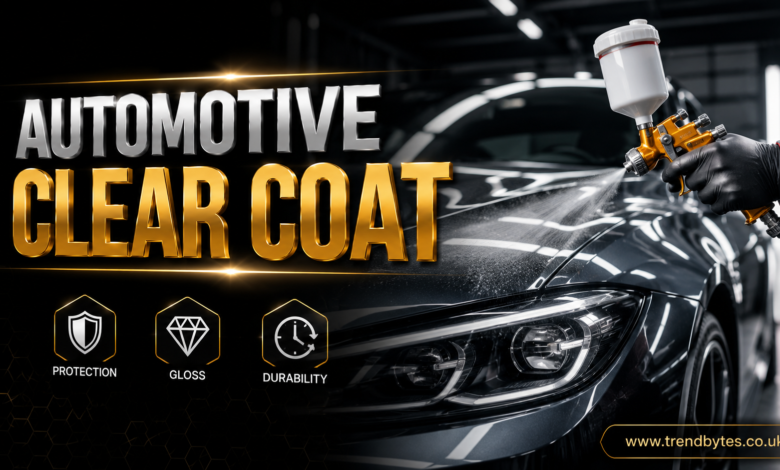
Automotive clear coat is the transparent protective layer applied over a vehicle’s colored basecoat. Although it looks simple, this layer plays an important role in protecting automotive paint from sunlight, moisture, chemicals, minor surface damage, and everyday contamination. It also creates the glossy finish that makes a properly maintained vehicle look clean and polished.
Whether you are repairing a damaged panel, repainting a vehicle, restoring an older car, or simply trying to understand why automotive paint is fading, knowing how clear coat works can help you make better decisions.
This guide explains the different types of clear coat, how it is applied, common problems, repair options, maintenance practices, and mistakes to avoid.
What Is Automotive Clear Coat?
Automotive clear coat is a transparent paint layer applied over the colored basecoat of a vehicle.
Unlike the basecoat, which provides the vehicle’s visible color, clear coat is designed primarily to provide protection, gloss, depth, and durability.
A typical modern automotive paint system may contain several layers:
- Primer
- Basecoat
- Automotive clear coat
Some factory paint systems can contain additional layers or specialized coatings depending on the vehicle and manufacturer.
The clear layer acts as a barrier between the colored paint and the outside environment. It helps protect the finish from ultraviolet radiation, road grime, water, chemicals, and other contaminants.
Why Is Automotive Clear Coat Important?
The clear coat is more than a cosmetic layer.
A quality clear coat can help preserve the appearance of the underlying paint while providing a smooth surface that is easier to clean and maintain.
Protection From UV Exposure
Sunlight can gradually damage automotive paint.
Long-term ultraviolet exposure can contribute to oxidation, fading, and loss of gloss. A properly applied clear coat helps protect the color layer underneath.
However, clear coat is not a permanent shield against the sun. Poor maintenance and prolonged exposure can eventually lead to deterioration.
Gloss and Appearance
Much of the depth and shine associated with modern automotive paint comes from the clear layer.
A smooth, properly cured surface reflects light evenly, creating a glossy appearance.
This is why two vehicles with similar basecoat colors can look very different depending on the condition of their clear coat.
Resistance to Everyday Contamination
Vehicles regularly encounter road salt, dirt, insects, bird droppings, tree sap, fuel residue, and other contaminants.
A durable clear coat provides an additional protective barrier that can make these contaminants easier to remove before they damage the underlying paint.
Types of Automotive Clear Coat
Clear coats are available in different formulations. The right choice depends on the repair, vehicle, working environment, desired finish, and manufacturer’s requirements.
1K Clear Coat
A 1K clear coat does not require a separate hardener or activator.
It is often convenient for smaller repairs and certain touch-up applications.
Its ease of use can make it attractive for basic projects, but it may not provide the same performance as professional two-component systems.
2K Clear Coat
A 2K clear coat uses a clear resin combined with a hardener or activator.
Once the components are mixed, a chemical curing process improves hardness, durability, and resistance.
Professional automotive refinishing commonly uses 2K systems because they can provide a strong, durable finish when correctly mixed and applied.
High-Solids Clear Coat
High-solids clear coats contain a higher percentage of solid material compared with conventional formulations.
They can provide excellent film build and a deep, glossy appearance.
Because application characteristics vary by product, painters should always follow the manufacturer’s technical instructions.
Waterborne Automotive Paint Systems
Waterborne basecoats are increasingly common in modern refinishing, especially where environmental regulations encourage lower solvent emissions.
The basecoat and clearcoat are different parts of the paint system, so a waterborne basecoat can still be finished with a compatible clear coat.
How to Apply Automotive Clear Coat
Professional application requires preparation, correct equipment, controlled conditions, and attention to product specifications.
Step 1: Prepare the Surface
Surface preparation is one of the most important stages.
The panel should be clean, properly sanded, dry, and free from grease, wax, silicone, dust, and other contaminants.
If the underlying basecoat is defective, clear coat will not magically correct the problem.
Step 2: Check the Basecoat
The basecoat should have the correct color and should be properly flashed according to the manufacturer’s instructions.
Applying clear too early or too late can create adhesion or finish problems.
Always check the technical data sheet for the specific paint system.
Step 3: Mix the Clear Coat Correctly
For a two-component system, the clear coat and activator must be mixed according to the manufacturer’s specified ratio.
Do not guess the ratio.
Incorrect mixing can affect drying, hardness, gloss, durability, and overall finish quality.
Step 4: Set Up the Spray Equipment
Spray gun settings, nozzle selection, air pressure, temperature, and application technique all influence the final result.
The exact settings vary by product and equipment.
A professional painter should use the manufacturer’s recommended setup rather than relying on a universal setting.
Step 5: Apply the Recommended Coats
Clear coat is typically applied in multiple controlled coats rather than one extremely heavy application.
The painter must allow the correct flash time between coats.
Applying too much material at once can increase the risk of runs, sags, solvent trapping, and other defects.
Step 6: Allow Proper Curing
After application, the clear coat needs adequate curing time.
Depending on the product and conditions, curing may occur through air drying, forced drying, or another specified process.
Avoid washing, polishing, or exposing the finish to harsh conditions before the manufacturer’s recommended cure period has passed.
Common Automotive Clear Coat Problems
Even experienced painters can encounter defects.
Clear Coat Peeling
Peeling or delamination can happen when there is poor adhesion between layers.
Possible causes include inadequate surface preparation, contamination, incorrect flash time, incompatible products, or an aging finish.
Once clear coat begins peeling significantly, simply polishing the surface will not fix the underlying problem.
Clear Coat Failure
A deteriorated clear coat may become cloudy, dull, cracked, or flaky.
Sun exposure, age, chemical damage, and poor maintenance can contribute to failure.
Severe failure generally requires refinishing rather than a simple polishing treatment.
Orange Peel
Orange peel describes a textured surface that resembles the skin of an orange.
It can result from spray technique, product selection, temperature, viscosity, gun settings, or drying conditions.
Mild orange peel can sometimes be improved through professional sanding and polishing.
Runs and Sags
Runs occur when too much wet material accumulates in one area.
They can be caused by excessive application, incorrect technique, unsuitable settings, or poor environmental conditions.
Once cured, a run may require careful leveling and polishing.
Fish Eyes
Fish eyes appear as small circular craters in the finish.
They are often associated with contamination, including silicone, oil, grease, or other surface contaminants.
Proper cleaning and contamination control are essential.
How to Repair Damaged Automotive Clear Coat
The correct repair method depends on the severity of the damage.
For very light surface defects, professional polishing may restore gloss without removing the clear coat.
If the clear coat is badly scratched, peeling, or failing, sanding and refinishing may be necessary.
A common repair process can involve:
- Cleaning the damaged area
- Assessing the depth of damage
- Sanding defective material
- Preparing the surface
- Applying compatible basecoat when necessary
- Applying new clear coat
- Allowing proper curing
- Leveling and polishing after curing
Trying to polish through severely damaged clear coat can make the problem worse.
Can You Polish Automotive Clear Coat?
Yes, clear coat can often be polished when the damage is limited to the surface.
Polishing can remove or reduce very fine scratches, swirl marks, oxidation, and minor surface imperfections.
However, clear coat has a finite thickness.
Aggressive or repeated polishing removes material. If you continue cutting the surface without measuring or understanding the condition of the finish, you can eventually expose the basecoat.
For that reason, correction should be performed conservatively.
How to Maintain Automotive Clear Coat
Good maintenance can significantly improve the appearance and longevity of a vehicle’s finish.
Wash Regularly
Use automotive-safe washing products and clean microfiber materials.
Avoid aggressive household cleaners that may be unsuitable for automotive finishes.
Remove Contaminants Quickly
Bird droppings, insects, tree sap, and certain chemicals should not be left on the surface for long periods.
The sooner they are safely removed, the lower the chance of permanent surface damage.
Protect the Paint
A quality wax, sealant, or compatible paint protection product can help reduce contamination and make maintenance easier.
These products do not make the clear coat indestructible, but they can provide an additional layer of protection.
Limit Long-Term Sun Exposure
Whenever possible, park in a garage, shaded area, or other protected location.
Reducing prolonged UV exposure can help preserve the finish.
Automotive Clear Coat vs. Ceramic Coating
These products are sometimes confused.
Automotive clear coat is a part of the paint system itself. It is normally applied during vehicle manufacturing or refinishing.
A ceramic coating is an aftermarket protective layer applied over the existing paint system.
A ceramic coating does not replace a damaged factory clear coat.
If the clear coat is already peeling or failing, the underlying paint should generally be repaired first.
Expert Tips for Better Clear Coat Results
For the best finish, preparation should receive as much attention as spraying.
Keep the work area clean and control dust as much as possible.
Use products from a compatible paint system and follow the technical data sheet for mixing ratios, flash times, application conditions, and curing instructions.
Also, avoid assuming that thicker is always better. Excessive film build can create its own problems.
When repairing a valuable vehicle or a large damaged area, professional refinishing is often safer than experimenting with an unfamiliar product.
Common Mistakes to Avoid
Skipping Surface Preparation
Even expensive clear coat cannot compensate for a dirty or poorly prepared surface.
Guessing the Mixing Ratio
Two-component products depend on the correct chemical ratio. Always measure according to the manufacturer’s instructions.
Applying Coats Too Heavily
Heavy application can cause runs, solvent problems, and uneven curing.
Ignoring Temperature and Humidity
Environmental conditions can significantly affect spraying and curing.
Polishing Too Aggressively
Clear coat is a protective layer, but it is not infinitely thick.
Mixing Incompatible Products
Different manufacturers and product lines may have compatibility requirements. Always verify the recommended system before combining materials.
Best Practices for Professional Results
A high-quality automotive refinishing process should focus on consistency.
Use clean equipment, prepare the surface carefully, follow product instructions, maintain suitable environmental conditions, and allow adequate curing time.
Before beginning a large project, test the process on a suitable panel or inconspicuous area when appropriate.
It is also useful to document the products used, mixing ratios, application conditions, and repair steps. This information can make future maintenance or refinishing easier.
People Also Ask About Automotive Clear Coat
What does automotive clear coat do?
Automotive clear coat protects the colored basecoat while providing gloss, depth, and additional resistance against environmental exposure and everyday contaminants.
How many coats of automotive clear coat should be applied?
The number of coats depends on the specific product and manufacturer’s instructions. Many systems require multiple controlled coats with a specified flash time between them.
Can you spray clear coat over old clear coat?
It depends on the condition and preparation of the existing finish. Sound, properly prepared clear coat may be refinished, but peeling or severely damaged clear coat generally requires more extensive removal and preparation.
How long does automotive clear coat last?
Its lifespan varies based on product quality, application, UV exposure, climate, vehicle storage, washing habits, and maintenance. Proper care can help extend the life of the finish.
Can scratches in clear coat be polished out?
Very light scratches that remain within the clear layer can often be reduced through polishing. Deeper scratches may require sanding and refinishing.
Why is my automotive clear coat peeling?
Peeling can result from poor adhesion, contamination, improper preparation, incompatible products, environmental exposure, age, or other refinishing problems. Significant peeling usually requires professional repair.
Is 2K clear coat better than 1K clear coat?
2K clear coat generally offers stronger curing and durability because it uses a separate hardener. However, the best product depends on the application, equipment, safety requirements, and manufacturer’s specifications.
Can wax protect automotive clear coat?
Wax can add a temporary protective layer and make the surface easier to maintain. It does not repair damaged clear coat or prevent all forms of paint deterioration.
Conclusion
Automotive clear coat is a critical part of a modern vehicle’s paint system. It protects the basecoat, creates a glossy appearance, and helps the finish withstand everyday environmental exposure.
Getting the best results requires more than choosing an expensive product. Surface preparation, correct mixing, proper spray technique, suitable environmental conditions, flash times, and curing are all essential.
For vehicle owners, regular washing, quick removal of contaminants, sensible paint protection, and careful polishing can help preserve the clear coat. For refinishing professionals and DIY enthusiasts, following the specific product manufacturer’s instructions is the safest path to a durable finish.
When the clear coat is only lightly scratched, polishing may be enough. When it is peeling, cracked, or severely deteriorated, refinishing is usually the better solution. Understanding that difference can save time, protect the underlying paint, and help your vehicle maintain a clean, professional appearance for years.