Cath Lab Tech: Complete Career Guide, Salary, Duties, and Requirements

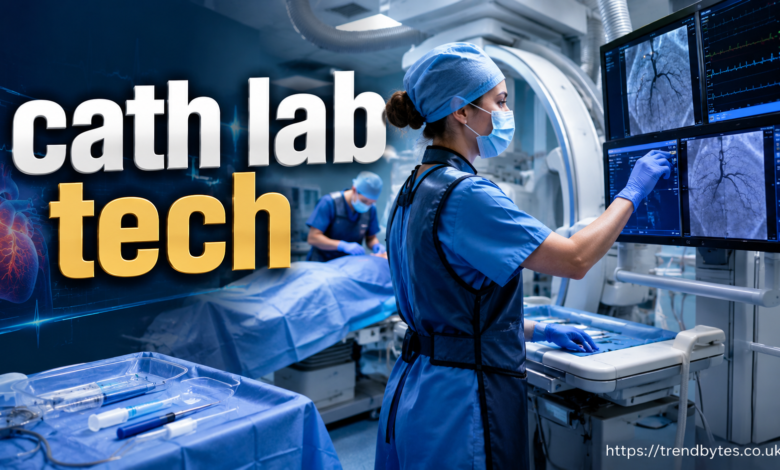
A cath lab tech plays an important role in modern cardiovascular care. These specialized healthcare professionals work alongside cardiologists, nurses, and other medical staff during procedures that diagnose and treat heart and blood vessel conditions.
If you are considering this career, you may want to know what a cath lab tech does, how much they can earn, what education is required, which skills matter most, and what the work environment is really like.
This guide explains the career path in simple terms and covers the daily responsibilities, education requirements, certifications, salary factors, benefits, challenges, and career opportunities.
What Is a Cath Lab Tech?
A cath lab tech, short for cardiac catheterization laboratory technologist, is a healthcare professional who helps medical teams perform cardiovascular procedures.
The cardiac catheterization laboratory, often called the cath lab, is a specialized hospital area equipped with advanced imaging and monitoring technology.
During procedures, the team may use catheters, contrast materials, X-ray imaging, and other equipment to examine blood vessels and the heart.
A cath lab tech helps prepare the room, equipment, and patient while assisting the medical team throughout the procedure.
The role requires technical knowledge, attention to detail, teamwork, and the ability to remain calm in a fast-paced environment.
What Does a Cath Lab Tech Do?
The daily responsibilities of a cath lab tech can vary depending on the hospital, specialty, and procedure.
However, most roles involve a combination of patient care, technical preparation, equipment operation, and procedural assistance.
Common responsibilities include:
- Preparing the cath lab before procedures
- Preparing and positioning patients
- Maintaining sterile technique
- Preparing medical equipment
- Assisting physicians during procedures
- Monitoring equipment
- Operating specialized imaging technology
- Preparing catheters and other supplies
- Recording procedure-related information
- Maintaining a safe environment
- Cleaning and preparing the procedure room
- Responding to urgent situations
Cath lab technologists may also help with procedures involving coronary arteries, peripheral blood vessels, and other cardiovascular conditions.
Cath Lab Tech Duties During a Procedure
The work becomes especially important once a procedure begins.
A cath lab tech may have a specific responsibility based on their training and the hospital’s workflow.
For example, one technologist may focus on imaging while another assists with equipment, supplies, and procedural needs.
Patient Preparation
Before a procedure, the technologist may help verify the patient’s information, prepare the procedure area, and position the patient correctly.
They also help ensure that necessary equipment and supplies are available before the physician begins.
Preparation is critical because cardiovascular procedures require careful coordination.
Imaging and Equipment
Cath labs use sophisticated imaging equipment to help physicians see the heart and blood vessels.
Technologists need to understand how the equipment works and how to operate it appropriately.
They must also follow radiation safety procedures and use protective equipment when required.
Sterile Technique
Maintaining a sterile environment is another major responsibility.
Cath lab procedures involve invasive access to the body, so contamination can increase the risk of infection.
A technologist must understand sterile fields, proper gowning and gloving procedures, equipment handling, and infection-control practices.
What Procedures Take Place in a Cath Lab?
A cath lab can support several types of cardiovascular procedures.
Depending on the facility, these may include:
- Cardiac catheterization
- Coronary angiography
- Angioplasty
- Stent placement
- Electrophysiology procedures
- Pacemaker-related procedures
- Peripheral vascular procedures
- Interventional cardiac procedures
Not every cath lab performs the same procedures.
Large medical centers may have highly specialized teams, while smaller hospitals may have a narrower range of services.
Cath Lab Tech Education Requirements
The education required to become a cath lab tech can vary by employer and location.
Many professionals begin with an educational program in cardiovascular technology, radiologic technology, or a related allied health field.
Some enter the cath lab after gaining experience in another healthcare imaging or cardiovascular role.
A typical education path may include:
- Complete high school or an equivalent credential.
- Attend an accredited healthcare technology program.
- Complete clinical training.
- Meet applicable certification or licensing requirements.
- Apply for entry-level positions.
- Build experience in cardiovascular procedures.
Because requirements can differ by state and employer, students should check the specific requirements for the area where they plan to work.
Skills Every Cath Lab Tech Needs
Technical knowledge is important, but successful technologists also need strong interpersonal and professional skills.
Attention to Detail
Small mistakes can have serious consequences in a medical procedure.
Cath lab technologists must pay close attention to equipment, supplies, patient information, imaging, and procedural instructions.
Communication
Cath lab procedures involve a team.
Technologists need to communicate clearly with physicians, nurses, anesthesia professionals, and other staff.
Good communication becomes even more important during emergencies.
Teamwork
The cath lab is not a job where someone works completely alone.
Each team member has specific responsibilities, and the procedure depends on everyone working together.
Ability to Stay Calm
Cardiac procedures can become urgent without much warning.
A good cath lab tech must be able to remain focused and follow established procedures even when the environment becomes stressful.
Technical Confidence
Modern cath labs use sophisticated equipment.
Technologists need to understand imaging systems, monitoring equipment, procedural tools, and safety requirements.
How Much Does a Cath Lab Tech Make?
The salary of a cath lab tech varies considerably depending on location, education, experience, employer, specialty, shift, and certifications.
Experienced professionals may earn substantially more than entry-level workers.
Factors that can influence compensation include:
- Geographic location
- Years of experience
- Hospital size
- Professional certifications
- Specialty training
- Shift schedules
- On-call responsibilities
- Overtime
- Travel assignments
- Level of responsibility
Hospitals in areas with higher living costs may offer higher salaries, while compensation can be lower in regions with lower operating and living costs.
It is also important to look beyond base pay. Benefits such as health insurance, retirement plans, paid time off, overtime, shift differentials, and tuition assistance can significantly affect the overall value of a job.
Cath Lab Tech vs. Other Healthcare Technicians
A cath lab tech shares some skills with other medical imaging and cardiovascular professionals, but the work environment is different.
A radiologic technologist may work across several imaging departments, while a cath lab tech focuses heavily on cardiovascular procedures.
A cardiovascular technologist may perform diagnostic testing such as certain noninvasive cardiac studies, depending on their specialty.
Cath lab work is more procedural and often involves direct participation in invasive cardiovascular interventions.
Understanding these differences can help students choose a specialty that matches their interests.
What Is the Work Environment Like?
Most cath lab techs work in hospitals or specialized cardiovascular centers.
The environment is highly clinical and technology-focused.
A typical day can involve standing for extended periods, preparing equipment, assisting during procedures, moving between patients, and responding to changing priorities.
Some facilities operate cath labs around the clock because cardiovascular emergencies can happen at any time.
As a result, professionals may work:
- Day shifts
- Evening shifts
- Night shifts
- Weekends
- Holidays
- On-call rotations
The schedule depends heavily on the facility.
Is Being a Cath Lab Tech Stressful?
The career can be demanding.
Cath lab teams may work with patients experiencing serious cardiovascular problems, and some procedures are performed on an emergency basis.
The combination of technical responsibilities, patient safety, time pressure, and teamwork can create a high-stress environment.
However, many professionals find the work rewarding because they directly contribute to patient care.
If you enjoy technology, medicine, teamwork, and fast-paced environments, the pressure may be balanced by the satisfaction of helping patients.
Benefits of Becoming a Cath Lab Tech
There are several reasons people choose this specialty.
Strong Healthcare Career Path
Cardiovascular care remains an important part of modern medicine, creating opportunities for trained healthcare professionals.
Specialized Skills
Cath lab work allows you to develop specialized technical knowledge that can differentiate you from general healthcare workers.
Meaningful Patient Impact
Your work can contribute directly to procedures that diagnose or treat serious cardiovascular conditions.
Career Growth
Experienced professionals may move into senior technologist, supervisory, educational, or specialized roles.
Variety
No two procedures are necessarily identical. Different patients and clinical situations can create variety throughout the workweek.
Challenges of Working in a Cath Lab
The career also has challenges that should be considered before choosing this path.
Long Periods of Standing
Procedures can take time, and technologists may spend much of the day on their feet.
Emergency Situations
Some patients require urgent treatment, which can make the environment intense.
Radiation Exposure
Cath lab professionals can work around medical X-ray equipment, so following radiation safety procedures is essential.
Irregular Hours
On-call schedules, nights, weekends, and holidays may be part of the job.
Emotional Pressure
Working with seriously ill patients can be emotionally demanding.
Understanding these challenges can help you decide whether the specialty fits your personality and career goals.
Expert Tips for Becoming a Successful Cath Lab Tech
If you are considering this career, start building strong healthcare fundamentals early.
Focus on anatomy, physiology, medical terminology, patient care, and cardiovascular concepts.
During clinical training, pay close attention to sterile technique and equipment handling.
Do not focus only on passing exams. Try to understand why each procedure is performed and how each piece of equipment contributes to patient care.
Communication is equally important.
Learn to listen carefully, ask appropriate questions, and communicate clearly with the entire healthcare team.
Common Mistakes to Avoid
Choosing a Program Without Checking Accreditation
Not every educational program provides the same preparation.
Research the program carefully and verify whether it meets the requirements for the certifications and jobs you are targeting.
Ignoring Certification Requirements
Certification can be important for employment and career advancement.
Find out which credentials are commonly requested by employers in your area.
Focusing Only on Salary
Money matters, but cath lab work also involves stress, on-call duties, patient responsibility, and technical demands.
Choose the career because the work itself fits your interests and strengths.
Underestimating Communication Skills
Technical knowledge alone is not enough.
You will work with a team, so communication and professionalism matter every day.
Failing to Learn Radiation Safety
Radiation protection is a core part of working around fluoroscopic imaging.
Take safety procedures seriously and consistently follow workplace protocols.
Career Growth for a Cath Lab Tech
After gaining experience, a technologist may have opportunities to take on additional responsibilities.
Potential career directions can include:
- Senior cath lab technologist
- Lead technologist
- Cath lab supervisor
- Cardiovascular technology educator
- Clinical applications specialist
- Medical equipment specialist
- Specialized cardiovascular roles
Some professionals also pursue additional education that allows them to move into broader healthcare or management positions.
People Also Ask
What does a cath lab tech do?
A cath lab tech prepares patients and equipment, assists physicians during cardiovascular procedures, operates specialized technology, maintains sterile technique, and supports patient safety.
How long does it take to become a cath lab tech?
The timeline depends on the educational route, clinical training, certification requirements, and previous healthcare experience. Many people begin with an allied health program followed by clinical experience.
Is a cath lab tech a good career?
It can be a strong career for people who enjoy healthcare, technology, teamwork, and fast-paced clinical environments. The job can also involve stress, standing, radiation safety, and on-call work.
Do cath lab techs work with patients?
Yes. Cath lab technologists may help prepare and position patients, communicate with them before procedures, and support patient care throughout the procedure.
Do cath lab techs work nights?
Some do. Hospitals with emergency cardiac services may require evening, overnight, weekend, holiday, or on-call coverage.
What skills are important for a cath lab tech?
Important skills include attention to detail, communication, teamwork, technical ability, patient-care skills, sterile technique, radiation safety, and the ability to remain calm under pressure.
Can a cath lab tech advance their career?
Yes. With experience, additional training, and appropriate credentials, professionals may move into senior, leadership, education, applications, or other specialized healthcare roles.
Is cath lab work difficult?
It can be challenging because procedures may be technically complex and emergencies can occur. However, proper education, clinical experience, teamwork, and ongoing training can help professionals develop confidence.
Conclusion
A cath lab tech is an important member of the cardiovascular healthcare team. The career combines medical knowledge, advanced technology, patient care, sterile technique, imaging, and teamwork in a specialized clinical environment.
For the right person, it can offer meaningful work, specialized skills, career development, and the opportunity to contribute directly to important cardiovascular procedures.
Before entering the field, research education programs, certification requirements, local employment expectations, schedules, and salary factors. Most importantly, consider whether you are comfortable working in a fast-paced environment where accuracy, communication, and patient safety matter every day.
If you enjoy healthcare technology and want a hands-on role in cardiovascular medicine, becoming a cath lab tech may be a career path worth exploring.