Vyvanse: Uses, Benefits, Side Effects, Dosage, and Safety

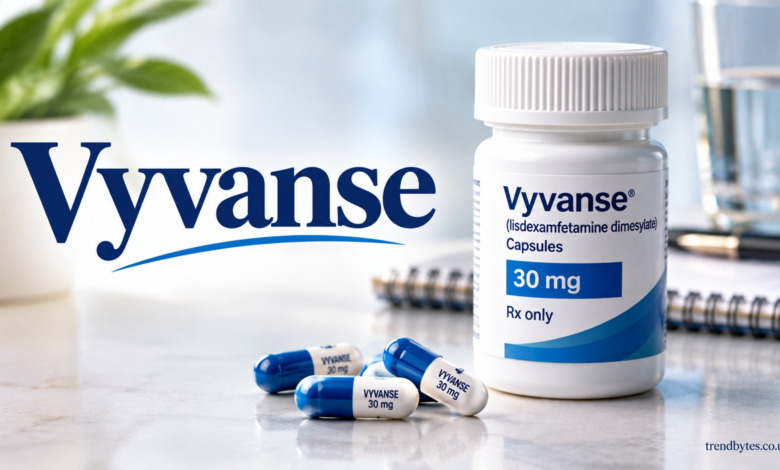
Vyvanse is a prescription stimulant medication used primarily to treat attention-deficit/hyperactivity disorder (ADHD) in adults and children ages 6 and older. It is also approved for moderate to severe binge eating disorder (BED) in adults. Its active ingredient is lisdexamfetamine dimesylate, a medicine that is converted in the body into dextroamphetamine.
Because Vyvanse is a controlled prescription stimulant, understanding how it works, why it is prescribed, its possible side effects, and how to take it safely is important. This guide explains the basics in straightforward language while highlighting situations that require medical attention.
What Is Vyvanse?
Vyvanse is the brand name for lisdexamfetamine dimesylate. It belongs to a group of medicines called central nervous system stimulants.
For people with ADHD, Vyvanse may help increase attention and reduce impulsive behavior and hyperactivity. For adults with moderate to severe binge eating disorder, it may help reduce the number of binge-eating days.
Vyvanse is available as capsules and chewable tablets. Generic versions of lisdexamfetamine are also available in the United States. The FDA notes that approved generic versions are expected to provide the same clinical benefits and risks as their brand-name counterpart.
How Vyvanse Works
Vyvanse is a prodrug, meaning the medication itself is converted by the body into its active form. Lisdexamfetamine is converted to dextroamphetamine, which affects certain neurotransmitter systems involved in attention, alertness, and impulse control.
This design does not make the medicine risk-free. Vyvanse remains an amphetamine-based controlled substance with potential for misuse, dependence, and addiction.
Vyvanse for ADHD
ADHD can affect attention, organization, impulse control, and activity levels. Medication is one part of ADHD treatment, and healthcare professionals may combine medication with behavioral strategies, counseling, educational support, or other approaches.
Vyvanse is FDA-approved for ADHD in adults and children ages 6 and older. It is not recommended for children younger than 6 for this indication.
A person taking Vyvanse may notice improvements in areas such as sustained attention or control of impulsive behavior. However, the response varies from person to person.
The goal is not simply to make someone feel more stimulated. Instead, treatment should focus on improving symptoms and daily functioning while keeping side effects manageable.
Vyvanse for Binge Eating Disorder
Vyvanse is also approved for moderate to severe binge eating disorder in adults.
Binge eating disorder involves repeated episodes of eating unusually large amounts of food while experiencing a sense of loss of control. It is different from occasional overeating.
For appropriate adults with BED, Vyvanse may reduce the number of binge-eating days.
One important point is often misunderstood: Vyvanse is not approved as a weight-loss medication. The FDA specifically states that Vyvanse is not indicated for weight loss and that its safety and effectiveness for treating obesity have not been established.
Vyvanse Dosage and How It Is Taken
Vyvanse dosing should be individualized by a healthcare professional. The prescribed dose depends on the condition being treated, response to treatment, age, and other clinical factors.
The FDA prescribing information lists 30 mg once each morning as an initial dose for ADHD, with adjustments made by the prescriber when appropriate. The recommended dose range for ADHD is 30 mg to 70 mg per day, with 70 mg per day listed as the maximum recommended dose.
Do not change the dose yourself.
Taking more Vyvanse than prescribed does not necessarily improve concentration or symptom control. It can increase the risk of adverse effects, misuse, overdose, and other serious complications.
Practical Tips for Taking Vyvanse
Take Vyvanse exactly as prescribed.
If you are prescribed a once-daily morning dose, taking it later in the day may make sleep more difficult. Your prescriber or pharmacist can explain the best routine for your prescription.
Do not crush, alter, or use the medication in a way that differs from the instructions provided with your specific formulation.
If you miss a dose, ask your healthcare professional or pharmacist what to do rather than taking extra medication to compensate.
Common Vyvanse Side Effects
Like other prescription stimulants, Vyvanse can cause side effects.
Common side effects reported with lisdexamfetamine products in people with ADHD include decreased appetite, anxiety, decreased weight, diarrhea, dizziness, dry mouth, irritability, insomnia, nausea, upper abdominal pain, and vomiting. In adults treated for binge eating disorder, reported effects include dry mouth, insomnia, decreased appetite, increased heart rate, constipation, jitteriness, and anxiety.
The severity and duration of side effects can vary.
For example, someone might experience reduced appetite while another person notices difficulty sleeping. A healthcare professional can help determine whether a symptom is expected, requires a dose adjustment, or suggests trying another treatment.
Serious Vyvanse Risks to Know
Vyvanse carries important safety warnings. The FDA medication guide includes a boxed warning concerning abuse, misuse, and addiction. Misuse can increase the risk of overdose and death, particularly when the medicine is taken at higher doses or through unapproved methods.
Vyvanse can also increase blood pressure and heart rate. People with heart problems, high blood pressure, or relevant family history should discuss these issues with their healthcare professional before treatment.
The medication guide also warns about new or worsening psychiatric symptoms, including manic or psychotic symptoms. Anyone experiencing serious or unusual mental symptoms should contact a healthcare professional promptly.
Seek urgent medical attention for serious symptoms such as chest pain, severe shortness of breath, fainting, severe agitation, hallucinations, or other symptoms that may indicate a serious reaction.
Who Should Be Careful With Vyvanse?
Before starting Vyvanse, tell your healthcare professional about your complete medical history and all medications or supplements you use.
Particular attention may be needed if you have:
- Heart disease or high blood pressure
- A history of substance misuse or addiction
- Bipolar disorder or other psychiatric conditions
- Circulation problems affecting the fingers or toes
- Kidney problems
- A history of severe reactions to amphetamine medicines
Vyvanse should not be taken with an MAOI or within 14 days after stopping an MAOI because of the risk of a serious interaction.
Your healthcare professional should review possible medication interactions before treatment begins.
Vyvanse and Dependence
Vyvanse is classified as a Schedule II controlled substance in the United States because it contains lisdexamfetamine, which can be misused and can lead to dependence.
Dependence and addiction are not the same thing, but both are important considerations with stimulant medications.
Never share your Vyvanse with another person, even if they have symptoms that seem similar to yours. The FDA specifically advises against sharing prescription stimulants.
Store the medication securely and follow local instructions for disposing of unused medicine.
Common Mistakes to Avoid
One common mistake is assuming that more medication means better results. Higher doses can increase risks without providing additional benefit.
Another mistake is using someone else’s prescription. Vyvanse should only be used by the person for whom it was prescribed.
It is also important not to treat Vyvanse as a general-purpose productivity drug. Prescription stimulants are intended for specific medical indications and should be taken according to professional instructions.
Finally, do not use Vyvanse specifically for weight loss. The FDA has not approved it for that purpose.
Best Practices for Safe Vyvanse Use
Safe use begins with an accurate diagnosis and an individualized treatment plan.
Keep regular appointments so your healthcare professional can evaluate symptom control, side effects, blood pressure, heart rate, and other relevant factors.
Maintain a consistent medication routine and communicate openly about changes in appetite, sleep, mood, cardiovascular symptoms, or other concerns.
If you are taking other prescription medicines, over-the-counter products, or supplements, make sure your healthcare professional or pharmacist knows about them.
Most importantly, never change the dose, stop treatment, or combine medications without professional guidance.
People Also Ask About Vyvanse
What is Vyvanse used for?
Vyvanse is FDA-approved to treat ADHD in adults and children ages 6 and older and moderate to severe binge eating disorder in adults.
Is Vyvanse a stimulant?
Yes. Vyvanse is a central nervous system stimulant containing lisdexamfetamine dimesylate.
Does Vyvanse help with ADHD?
Vyvanse may increase attention and decrease impulsiveness and hyperactivity in people with ADHD. Individual results vary, so treatment should be monitored by a healthcare professional.
Can Vyvanse be used for weight loss?
No. Vyvanse is not approved as a weight-loss medication, and the FDA states that its safety and effectiveness for treating obesity have not been established.
What are common side effects of Vyvanse?
Common effects can include decreased appetite, insomnia, dry mouth, anxiety, nausea, irritability, dizziness, and changes in weight. The effects reported can differ depending on whether the medicine is being used for ADHD or binge eating disorder.
Can Vyvanse be addictive?
Vyvanse has a potential for abuse, misuse, addiction, and physical dependence. It is a controlled substance, so it should only be used exactly as prescribed.
Can you take Vyvanse with other medications?
Some medications can interact with Vyvanse. MAOIs are a particularly important example and should not be taken with Vyvanse or within 14 days of stopping Vyvanse-related MAOI restrictions. Always provide your healthcare professional with a complete list of medications and supplements.
What should you do if Vyvanse causes concerning symptoms?
Contact your healthcare professional if you experience significant or persistent side effects. Seek urgent medical attention for serious symptoms such as chest pain, fainting, severe shortness of breath, hallucinations, or other potentially dangerous reactions.
Conclusion
Vyvanse is a prescription stimulant with established medical uses in ADHD and moderate to severe binge eating disorder in adults. Its active ingredient, lisdexamfetamine, is converted in the body to an active amphetamine compound that affects systems involved in attention and impulse control.
Understanding Vyvanse means looking beyond its potential benefits. Side effects, cardiovascular considerations, psychiatric reactions, drug interactions, misuse, dependence, and proper storage are all important parts of safe treatment.
If Vyvanse has been prescribed to you, take it exactly as directed and maintain open communication with your healthcare professional. If you are considering Vyvanse for ADHD, binge eating disorder, weight loss, studying, productivity, or another purpose, speak with a qualified medical professional before using it.
This information is for general education and does not replace individualized medical advice, diagnosis, or treatment.