Seraph Games: Best Games, Gameplay, Features, and What to Know

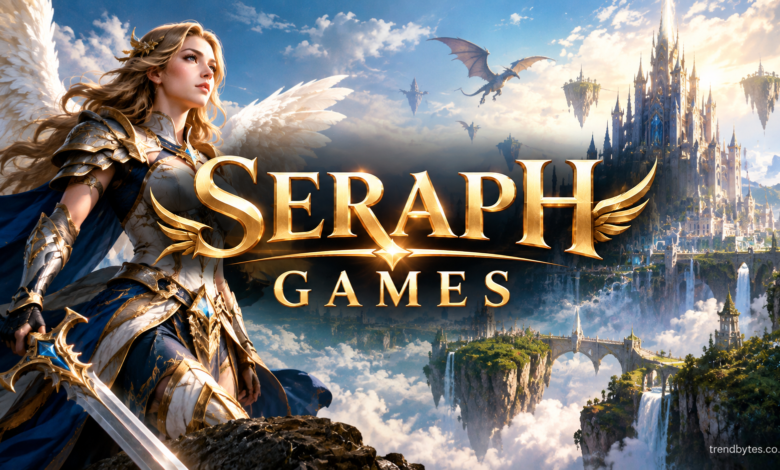
If you are searching for seraph games, you may be looking for information about games, developers, characters, or titles connected with the name “Seraph.” The term can appear in different gaming contexts, so understanding what it refers to is important before choosing a game or looking for gameplay information.
The word “seraph” is commonly associated with celestial or angelic themes. As a result, games using the name often suggest fantasy worlds, powerful characters, mystical abilities, strategy, adventure, or role-playing elements. However, the exact experience depends on the specific title.
This guide explains what to look for when exploring Seraph games, the features that can make these games appealing, common gameplay elements, useful tips, and how to choose an experience that matches your interests.
What Are Seraph Games?
Seraph games can refer to gaming experiences or titles that use “Seraph” as part of their name, theme, character design, or fictional universe.
The word itself has a strong fantasy association. In many fictional settings, seraphs are portrayed as powerful celestial beings, which makes the concept popular in role-playing games, action games, strategy titles, and fantasy adventures.
Because the phrase can refer to more than one gaming property, it is important to check the exact title before assuming that two games with “Seraph” in their names are connected.
Why Are Seraph Games Interesting?
Fantasy-based games often attract players because they provide an opportunity to explore worlds that are very different from everyday life.
A game built around celestial characters can introduce themes such as ancient powers, magical abilities, battles between opposing forces, exploration, and character progression.
These themes also give developers plenty of room to create distinctive environments and storylines.
Fantasy and Celestial Themes
The seraph concept naturally fits games that feature angels, supernatural characters, mythical creatures, magical weapons, and mysterious worlds.
For players who enjoy fantasy settings, this can make the experience more immersive.
However, the name alone does not determine gameplay. A title should always be evaluated based on its actual mechanics, genre, platform, and content.
Common Features to Look for in Seraph Games
Different games can use the Seraph name in different ways, but several features are common across fantasy-focused gaming experiences.
Character Development
Character progression is one of the most engaging parts of many role-playing and adventure games.
Players may unlock abilities, improve statistics, collect equipment, or develop new skills as they progress.
A good progression system should give players meaningful choices rather than simply increasing numbers after every level.
Combat Systems
Combat can range from fast action to turn-based strategy.
Some games emphasize timing and movement, while others focus on choosing the right abilities, equipment, or team combinations.
Before starting a new game, check whether its combat style matches your preferences. Players who enjoy quick reactions may prefer action-based combat, while strategy fans may enjoy slower systems with more planning.
Exploration
Fantasy games often use exploration to expand the experience beyond combat.
Players may discover hidden locations, solve puzzles, collect items, meet characters, or uncover pieces of the story.
Exploration is especially effective when the game rewards curiosity instead of simply sending players from one objective to another.
How to Choose the Right Seraph Game
If you encounter multiple titles using the Seraph name, start by identifying the exact game.
Check its platform, genre, release information, gameplay style, and age rating. These details can quickly tell you whether the game fits your interests.
For example, someone who enjoys competitive action may want a very different experience from a player who prefers story-driven fantasy adventures.
It is also useful to determine whether the game is designed primarily for single-player or multiplayer sessions.
Seraph Games for Different Types of Players
Different players look for different things in a game.
If you enjoy stories, focus on titles with strong characters, world-building, and narrative progression.
If you prefer competition, look for games with challenging combat, rankings, multiplayer modes, or skill-based mechanics.
For casual players, a simpler gameplay loop may be more appealing.
For Fantasy Fans
Fantasy fans may appreciate games that combine mythology, magical environments, powerful characters, and exploration.
Pay attention to the quality of the world-building. A visually attractive game becomes much more engaging when its locations have a purpose and its characters have believable motivations.
For Strategy Players
Strategy-focused players should examine combat mechanics, resource management, character combinations, and decision-making systems.
A strong strategy game gives players several ways to approach a challenge rather than forcing everyone to use the same solution.
For Action Players
Action fans should look at combat speed, controls, enemy variety, movement, and difficulty.
Fast combat can be exciting, but responsive controls are just as important. A challenging game should reward skill rather than making losses feel random.
Tips for Getting Better at Seraph Games
The best way to improve is to understand the core gameplay loop before trying advanced strategies.
Start by learning the basic controls and objectives. Then experiment with different abilities, characters, weapons, or play styles.
Do not immediately focus on maximizing every statistic. Understanding how different systems work together is often more valuable in the early stages.
Learn the Core Mechanics First
Spend some time learning what each major ability or system actually does.
For example, if a game has defensive, offensive, and support abilities, understand when each category is most useful.
Once you know the fundamentals, more advanced combinations become much easier to recognize.
Manage Your Resources
Many games reward players who manage resources carefully.
Depending on the title, these could include health, energy, currency, equipment, abilities, or limited-use items.
Avoid spending valuable resources simply because they are available. Save them for situations where they provide a meaningful advantage.
Study Enemy Patterns
In action and role-playing games, enemies often follow recognizable patterns.
Watch how they move, when they attack, and which abilities they use.
Learning these patterns can help you react earlier and reduce unnecessary damage.
Common Mistakes Players Make
One common mistake is rushing through the early stages without learning the game’s systems.
Players may also spend resources too quickly or ignore equipment and character upgrades.
Another mistake is using one strategy for every situation. Different enemies and challenges often require different approaches.
It is also easy to overlook optional content. Side quests, exploration areas, challenges, and hidden items can sometimes provide useful rewards or important story details.
Best Practices for a Better Gaming Experience
Start with a comfortable difficulty level. If the game feels too easy, increase the challenge later. If it becomes frustrating, there is no benefit in making the experience unnecessarily difficult.
Keep your controls and settings comfortable as well. Adjust sensitivity, display settings, audio, and other available options to suit your preferences.
If the game includes multiplayer features, communicate clearly with teammates. Good coordination can often be more effective than individual skill.
Most importantly, take breaks during long sessions. A short break can help maintain focus and prevent fatigue.
How to Evaluate a Seraph Game Before Playing
Before spending significant time on a game, consider several factors.
First, determine whether the genre matches your interests. Next, look at the core gameplay rather than judging the title only by its graphics.
Consider progression, difficulty, controls, story quality, replay value, and multiplayer features if relevant.
It is also worth checking whether the game fits your available platform and whether its content is appropriate for the intended player.
A visually impressive game may not be enjoyable if its gameplay does not match what you actually like.
What Makes a Fantasy Game Memorable?
A memorable fantasy game usually combines several strong elements.
The world should feel consistent. Characters should have clear motivations. Gameplay should provide meaningful choices, and progression should make players feel that their decisions matter.
Visual design can strengthen the experience, but atmosphere is often just as important.
Music, sound effects, environments, dialogue, and pacing can work together to create a world players want to return to.
For games built around celestial or supernatural themes, these elements can make the difference between a basic fantasy setting and a truly immersive one.
People Also Ask About Seraph Games
What are Seraph games?
Seraph games are games or gaming experiences that use the name “Seraph” in their title, characters, themes, or fictional setting. The exact genre and gameplay depend on the specific title.
What does Seraph mean in games?
“Seraph” commonly refers to a celestial or angelic being in fantasy and mythology-inspired fiction. Games may use the concept to represent powerful supernatural characters or themes.
Are Seraph games fantasy games?
Many games using the Seraph concept can have fantasy elements, but the name does not automatically define the genre. The specific title should be checked to understand its gameplay.
Are Seraph games suitable for beginners?
That depends on the individual game. Some may have straightforward mechanics, while others can feature complex combat, progression, or strategy systems.
What should I look for in a Seraph game?
Consider the genre, platform, gameplay mechanics, story, difficulty, progression system, multiplayer options, and overall style before choosing a title.
Can Seraph games be played casually?
Yes, depending on the game. Some titles can be enjoyed through short sessions, while others are designed around longer campaigns or extended progression.
Are Seraph games multiplayer?
Multiplayer availability depends on the specific game. Some titles may focus on single-player experiences, while others can include cooperative or competitive modes.
How can I improve at Seraph games?
Learn the basic mechanics first, understand character or equipment systems, manage resources carefully, study enemy patterns, and adapt your strategy to different situations.
Conclusion
Seraph games can appeal to players who enjoy fantasy themes, supernatural characters, strategic challenges, exploration, and immersive gaming experiences. Because the term can describe different titles or gaming concepts, identifying the exact game is the first step toward understanding what it offers.
Once you know the title, look beyond graphics and focus on gameplay, progression, combat, story, difficulty, and replay value. These factors provide a much better idea of whether a game matches your preferences.
Whether you are interested in fantasy adventures, character development, action combat, or strategic challenges, exploring the different experiences associated with Seraph games can lead you to a game that fits your personal play style.