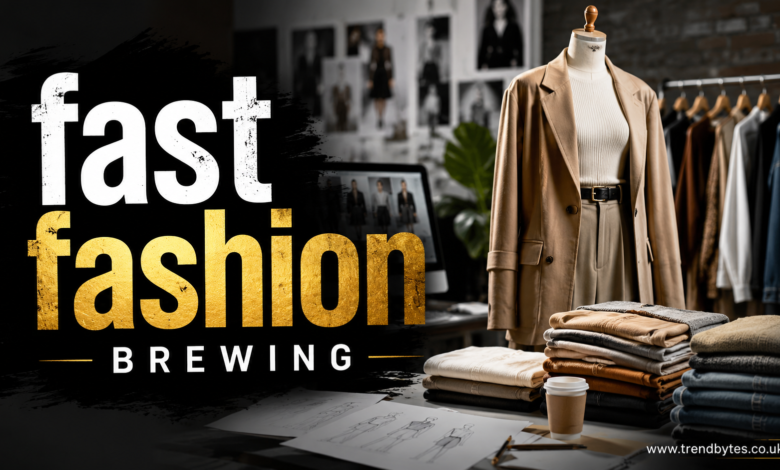
The phrase fast fashion brewing has gained attention as the fashion industry continues to evolve at an incredible pace. It represents the rapid development of trends, production methods, and consumer behaviors that are transforming how clothing is designed, manufactured, marketed, and purchased. As brands compete to release new collections faster than ever, fast fashion brewing highlights the ongoing changes influencing global fashion.
Consumers today expect affordable clothing, frequent style updates, and instant access to the latest trends. This demand has encouraged retailers to shorten production cycles while expanding their online presence. Understanding fast fashion brewing helps shoppers recognize both the opportunities and challenges behind today’s fashion landscape.
What Is Fast Fashion Brewing?
Fast fashion brewing refers to the continuous momentum building within the fast fashion industry. Rather than describing a single event, it reflects the ongoing process of emerging trends, rapid production, technological innovation, and shifting consumer expectations.
Fashion companies constantly monitor social media, celebrity outfits, runway shows, and influencer content. Once a trend gains popularity, manufacturers quickly create affordable versions that reach stores and online marketplaces within weeks or even days.
The “brewing” aspect emphasizes that these developments are always in progress, creating a constantly changing fashion environment.
How Fast Fashion Brewing Works
The success of fast fashion brewing depends on speed throughout the entire supply chain.
Trend Identification
Fashion brands monitor:
- Social media platforms
- Fashion influencers
- Celebrity wardrobes
- International fashion weeks
- Consumer purchasing behavior
- Seasonal demand
Modern data analytics allows brands to predict which styles are likely to become popular before they reach mainstream audiences.
Rapid Design Process
Design teams create multiple clothing concepts every week. Instead of preparing only seasonal collections, many retailers launch fresh products almost daily.
Digital design software, virtual sampling, and market analysis significantly reduce product development time.
Fast Manufacturing
Manufacturers produce clothing in large quantities while maintaining relatively low costs. Improved logistics and global supply chains help companies deliver products quickly to stores and customers.
Quick Distribution
Online shopping has accelerated fast fashion brewing by allowing brands to introduce new products worldwide almost instantly. Customers can browse, order, and receive trendy clothing within days.
Why Fast Fashion Brewing Is Growing
Several factors contribute to the rapid expansion of fast fashion brewing.
Social Media Influence
Platforms filled with fashion inspiration encourage consumers to refresh their wardrobes more frequently. Viral outfits often become global trends overnight.
Affordable Pricing
Low-cost clothing allows consumers to experiment with different styles without making significant financial commitments.
Changing Consumer Habits
Today’s shoppers often seek variety rather than long-term wardrobe investment. Many prefer purchasing several inexpensive items instead of fewer premium garments.
E-Commerce Expansion
Online retailers make fashion accessible across the world. Personalized recommendations, fast shipping, and mobile shopping have further accelerated purchasing behavior.
Benefits of Fast Fashion Brewing
Although fast fashion receives criticism, it also provides several advantages.
Greater Accessibility
Fashion trends are no longer limited to luxury consumers. Affordable clothing allows people with different budgets to enjoy modern styles.
More Style Choices
Retailers introduce thousands of new products each year, giving shoppers countless options for every occasion.
Faster Innovation
Competition encourages brands to improve design, manufacturing efficiency, customer experience, and digital shopping platforms.
Economic Opportunities
The fashion industry creates employment across design, manufacturing, logistics, retail, marketing, photography, and technology.
Challenges Associated with Fast Fashion Brewing
Despite its popularity, fast fashion brewing presents important concerns.
Environmental Impact
Rapid clothing production increases the consumption of water, energy, and raw materials. Textile waste continues to grow as consumers replace garments more frequently.
Overconsumption
Affordable pricing sometimes encourages impulse buying, leading to overcrowded wardrobes and unused clothing.
Product Longevity
Some fast fashion garments prioritize trendiness over durability, resulting in shorter product lifespans.
Supply Chain Complexity
Maintaining ethical labor standards across global manufacturing networks remains an ongoing challenge for many companies.
How Consumers Can Shop More Responsibly
Fast fashion brewing does not necessarily mean consumers must stop purchasing affordable clothing. Instead, thoughtful shopping habits can create a healthier balance.
Consider these practical strategies:
- Buy clothing you genuinely need.
- Choose versatile wardrobe essentials.
- Check fabric quality before purchasing.
- Follow proper garment care instructions.
- Donate unwanted clothing.
- Repair garments whenever possible.
- Support brands improving sustainability practices.
These simple habits help reduce waste while still allowing consumers to enjoy current fashion trends.
Technology Driving Fast Fashion Brewing
Technology plays a major role in accelerating fast fashion brewing.
Artificial Intelligence
AI helps brands forecast demand, analyze shopping behavior, and optimize inventory management.
Data Analytics
Retailers collect customer insights to understand purchasing patterns and predict future trends.
Automated Manufacturing
Modern production equipment increases efficiency while reducing manufacturing time.
Digital Marketing
Brands use personalized advertising, influencer collaborations, and social media campaigns to introduce new collections rapidly.
Fast Fashion Brewing and Sustainability
Sustainability has become an important discussion within fast fashion brewing.
Many fashion companies are introducing initiatives such as:
- Recycled fabrics
- Organic cotton collections
- Clothing recycling programs
- Improved supply chain transparency
- Eco-friendly packaging
- Lower-emission manufacturing processes
Although challenges remain, sustainability continues to shape the future direction of the industry.
Consumer Trends Shaping Fast Fashion Brewing
Several consumer behaviors continue influencing fast fashion brewing.
Demand for Newness
Customers regularly seek fresh styles inspired by celebrities, influencers, and seasonal trends.
Online Shopping Growth
Mobile shopping makes purchasing fashionable clothing faster and more convenient than ever.
Personalized Experiences
Brands increasingly recommend products based on browsing history and previous purchases.
Sustainability Awareness
Consumers are becoming more interested in quality, ethical sourcing, and environmentally responsible production methods.
The Future of Fast Fashion Brewing
The future of fast fashion brewing will likely combine speed with greater responsibility.
Emerging developments may include:
- Smarter inventory management
- Increased recycled material usage
- Digital fashion design
- On-demand manufacturing
- AI-assisted product development
- Improved supply chain transparency
- Circular fashion initiatives
Brands that successfully balance affordability, innovation, quality, and sustainability will likely remain competitive as consumer expectations continue evolving.
Frequently Asked Questions About Fast Fashion Brewing
What does fast fashion brewing mean?
Fast fashion brewing refers to the ongoing development and rapid evolution of the fast fashion industry, including emerging trends, quick production, and changing consumer behavior.
Why is fast fashion brewing becoming more popular?
Social media, online shopping, affordable pricing, and faster manufacturing processes have all contributed to the growth of fast fashion brewing.
Is fast fashion brewing good or bad?
It has both advantages and disadvantages. It increases fashion accessibility and innovation while also raising concerns about environmental sustainability and overconsumption.
How can consumers support responsible fast fashion?
Consumers can purchase thoughtfully, choose higher-quality garments, care for clothing properly, donate unwanted items, and support brands making sustainable improvements.
Conclusion
Fast fashion brewing reflects the constant evolution of today’s fashion industry, where trends emerge quickly, products reach consumers faster, and shopping habits continue to change. While this rapid pace offers affordability, convenience, and endless style choices, it also highlights the importance of responsible consumption and sustainable innovation. As technology advances and consumer awareness grows, fast fashion brewing will continue shaping the future of fashion by balancing speed, creativity, quality, and environmental responsibility.