Female Clothing Patterns: The Complete Guide to Styles, Fabrics, and Sewing Designs

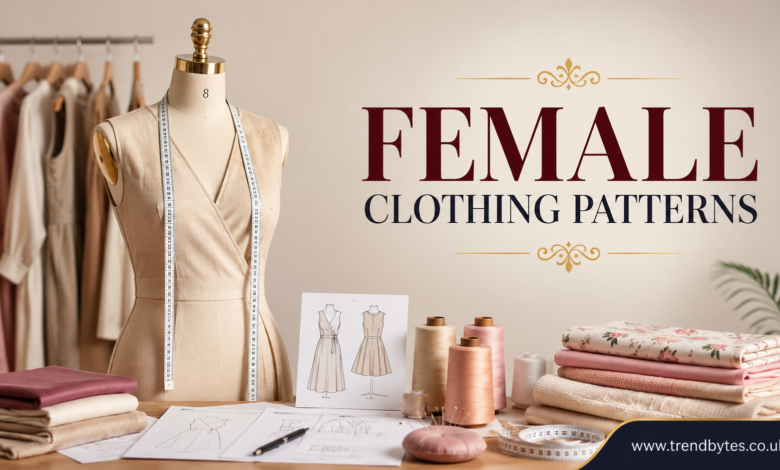
Female clothing patterns are the foundation of every beautiful garment. Whether you’re sewing your own wardrobe, starting a fashion business, studying apparel design, or simply exploring different clothing styles, understanding female clothing patterns helps you create garments that fit well, look stylish, and remain comfortable.
From classic dress patterns to modern jumpsuits, skirts, tops, jackets, and ethnic wear, clothing patterns make it possible to transform fabric into wearable fashion. Today’s patterns are available in both printed and digital formats, making sewing more accessible than ever before.
This comprehensive guide covers everything you need to know about female clothing patterns, including pattern types, garment categories, fabrics, sizing, sewing tips, common mistakes, and expert advice.
What Are Female Clothing Patterns?
Female clothing patterns are templates used to cut fabric into the correct shapes before sewing a garment together. These templates contain all the pieces needed to construct clothing accurately.
A clothing pattern typically includes:
- Front bodice
- Back bodice
- Sleeves
- Collar
- Waistband
- Pocket pieces
- Skirt panels
- Facing pieces
- Cutting instructions
- Sewing guide
- Size chart
Patterns eliminate guesswork and help create garments with proper proportions and professional finishes.
Why Female Clothing Patterns Matter
Using clothing patterns offers several advantages.
Better Fit
Patterns are designed using standardized body measurements, making it easier to produce garments that fit comfortably.
Saves Time
Instead of drafting every piece from scratch, you can quickly cut and sew using ready-made templates.
Professional Results
Well-designed patterns improve symmetry, balance, and garment structure.
Endless Creativity
Patterns can easily be modified to create unique designs by changing sleeves, necklines, hems, or decorative details.
Types of Female Clothing Patterns
Commercial Patterns
Commercial patterns are sold by pattern companies and include complete sewing instructions.
Best for:
- Beginners
- Hobby sewists
- Home sewing
Digital PDF Patterns
Digital patterns can be downloaded instantly and printed at home or through large-format printing services.
Advantages include:
- Instant access
- Affordable pricing
- Unlimited reprints
- Easy storage
Custom Patterns
Custom patterns are drafted using personal body measurements.
Ideal for:
- Perfect fit
- Bridal wear
- Couture clothing
- Professional tailoring
Drafted Patterns
Experienced designers often draft their own patterns using measurement systems and pattern-making techniques.
These allow unlimited customization.
Popular Female Clothing Patterns
Dress Patterns
Dress patterns remain one of the most popular categories.
Popular styles include:
- A-line dresses
- Wrap dresses
- Shift dresses
- Maxi dresses
- Midi dresses
- Bodycon dresses
- Empire waist dresses
- Shirt dresses
- Fit-and-flare dresses
- Cocktail dresses
Dress patterns range from beginner-friendly designs to advanced formalwear.
Blouse and Top Patterns
Top patterns are versatile and suitable for everyday fashion.
Common options include:
- Peplum tops
- Button-down shirts
- Crop tops
- Tunics
- Tank tops
- Puff sleeve tops
- Off-shoulder tops
- Wrap blouses
Skirt Patterns
Skirts come in countless silhouettes.
Popular skirt patterns include:
- Pencil skirt
- Circle skirt
- Pleated skirt
- Maxi skirt
- Mini skirt
- Tulip skirt
- Mermaid skirt
- Wrap skirt
Pants Patterns
Women’s pants patterns have evolved significantly.
Common choices include:
- Straight-leg pants
- Palazzo pants
- Wide-leg trousers
- Joggers
- Cargo pants
- Culottes
- High-waisted trousers
- Flared pants
Jacket Patterns
Outerwear patterns include:
- Blazer
- Denim jacket
- Bomber jacket
- Long coat
- Cropped jacket
- Trench coat
- Cardigan
- Kimono jacket
Jumpsuit Patterns
Jumpsuits have become increasingly fashionable.
Popular versions include:
- Casual jumpsuits
- Formal jumpsuits
- Utility jumpsuits
- Wide-leg jumpsuits
- Sleeveless jumpsuits
Female Clothing Patterns by Skill Level
Beginner Patterns
If you’re new to sewing, start with simple projects.
Examples include:
- Elastic waist skirts
- Basic tops
- Simple dresses
- Pajama pants
- Tote bags
These projects require fewer pattern pieces and minimal sewing techniques.
Intermediate Patterns
Intermediate sewists can try:
- Button shirts
- Pencil skirts
- Casual jackets
- Wrap dresses
- Palazzo pants
These projects introduce zippers, collars, darts, and more detailed construction.
Advanced Patterns
Advanced sewists often create:
- Tailored blazers
- Wedding dresses
- Structured coats
- Corset dresses
- Evening gowns
These projects require precise fitting and advanced sewing skills.
Choosing the Right Fabric
Even the best pattern won’t look good if paired with the wrong fabric.
Cotton
Perfect for:
- Summer dresses
- Casual shirts
- Skirts
- Everyday wear
Linen
Ideal for:
- Lightweight clothing
- Vacation outfits
- Relaxed styles
Silk
Excellent for:
- Evening gowns
- Luxury blouses
- Formal dresses
Denim
Great for:
- Jackets
- Jeans
- Skirts
- Casual dresses
Satin
Works well for:
- Party dresses
- Bridesmaid dresses
- Special occasions
Jersey Knit
Best for:
- T-shirts
- Casual dresses
- Activewear
- Comfortable clothing
Understanding Pattern Sizes
Pattern sizing differs from ready-to-wear clothing sizes.
Always:
- Measure bust
- Measure waist
- Measure hips
- Compare measurements with the pattern chart
- Select the closest size
Never rely only on your usual clothing size.
Essential Pattern Symbols
Learning pattern symbols improves sewing accuracy.
Common symbols include:
- Grainline arrows
- Fold line
- Notches
- Darts
- Seam allowance
- Cutting line
- Stitch line
- Placement marks
These markings help align fabric correctly during construction.
How to Read Female Clothing Patterns
Reading a pattern becomes easier with practice.
Follow these steps:
Step 1: Read the Instructions
Review all sewing directions before cutting fabric.
Step 2: Check Fabric Requirements
Determine how much fabric the pattern recommends.
Step 3: Choose the Correct Size
Use body measurements instead of retail clothing sizes.
Step 4: Prepare the Fabric
Wash, dry, and press fabric before cutting.
Step 5: Lay Out Pattern Pieces
Arrange pieces according to the layout guide to reduce fabric waste.
Step 6: Cut Carefully
Use sharp fabric scissors or a rotary cutter.
Step 7: Transfer Markings
Mark darts, notches, and sewing guides before removing the pattern.
Essential Sewing Tools
Every sewing enthusiast should own:
- Sewing machine
- Fabric scissors
- Rotary cutter
- Cutting mat
- Pins
- Clips
- Measuring tape
- Seam ripper
- Tailor’s chalk
- Iron
- Ironing board
- Pattern weights
- Ruler
Quality tools improve sewing accuracy and efficiency.
How to Customize Female Clothing Patterns
One of the biggest advantages of sewing is customization.
You can modify patterns by:
Changing Necklines
Create:
- V-neck
- Scoop neck
- Boat neck
- Square neck
- Sweetheart neckline
Altering Sleeves
Options include:
- Puff sleeves
- Bell sleeves
- Bishop sleeves
- Cap sleeves
- Flutter sleeves
- Sleeveless
Adjusting Length
Modify garments into:
- Mini
- Knee-length
- Midi
- Maxi
Adding Design Details
Consider adding:
- Lace
- Ruffles
- Pleats
- Pockets
- Buttons
- Decorative stitching
- Embroidery
- Belts
These simple adjustments create completely unique garments.
Best Practices for Working with Female Clothing Patterns
Following good habits leads to better results.
- Read instructions before starting.
- Wash fabric first.
- Press fabric before cutting.
- Cut accurately.
- Mark every pattern symbol.
- Sew slowly.
- Press seams after every step.
- Test stitches on scrap fabric.
- Make fitting adjustments early.
- Store patterns carefully.
Expert Tips for Better Sewing Results
Experienced sewists recommend several techniques.
Always create a test garment for expensive fabrics.
Use high-quality thread for stronger seams.
Replace sewing machine needles regularly.
Match the needle type to the fabric.
Take body measurements every few months.
Practice new techniques on fabric scraps.
Keep patterns organized in labeled folders.
Patience often produces the best results.
Common Mistakes to Avoid
Many beginners make similar errors.
Avoid these mistakes:
- Ignoring grainlines
- Choosing the wrong fabric
- Skipping ironing
- Using dull scissors
- Forgetting seam allowances
- Cutting the wrong size
- Rushing construction
- Not transferring markings
- Skipping fitting checks
- Using incorrect needle types
Avoiding these problems greatly improves garment quality.
Fashion Trends Influencing Female Clothing Patterns
Modern clothing patterns continue evolving.
Popular trends include:
- Oversized silhouettes
- Minimalist fashion
- Cottagecore dresses
- Sustainable clothing
- Relaxed tailoring
- Wide-leg trousers
- Matching sets
- Statement sleeves
- Functional pockets
- Gender-inclusive designs
Many designers also create digital-first sewing patterns for home sewists.
Sustainable Sewing with Female Clothing Patterns
Sewing supports sustainable fashion by reducing waste and encouraging mindful clothing choices.
Ways to sew sustainably include:
- Reusing old garments
- Buying quality fabric
- Choosing natural fibers
- Repairing clothes instead of replacing them
- Using fabric scraps for accessories
- Creating timeless styles
- Avoiding fast-fashion waste
Small sewing projects can have a positive environmental impact over time.
Who Uses Female Clothing Patterns?
Female clothing patterns are useful for many people.
They are commonly used by:
- Fashion designers
- Home sewists
- Tailors
- Boutique owners
- Clothing manufacturers
- Costume designers
- Fashion students
- DIY enthusiasts
Whether for business or personal creativity, patterns remain an essential part of garment production.
People Also Ask
What are female clothing patterns?
Female clothing patterns are templates used to cut fabric into specific shapes for sewing garments such as dresses, skirts, tops, pants, jackets, and more.
Which female clothing pattern is best for beginners?
Simple skirts, basic tops, pajama pants, and easy-fit dresses are ideal beginner projects because they involve fewer sewing techniques.
Can I modify commercial clothing patterns?
Yes. Commercial patterns can be customized by changing necklines, sleeve styles, garment length, pockets, and decorative features.
What fabric works best for beginners?
Cotton is often the best choice because it is stable, easy to sew, affordable, and forgiving for new sewists.
Are digital sewing patterns worth buying?
Yes. Digital patterns offer instant downloads, unlimited printing, easy storage, and are often less expensive than printed versions.
How do I choose the correct pattern size?
Measure your bust, waist, and hips, then compare those measurements to the pattern’s size chart rather than relying on ready-to-wear clothing sizes.
Why don’t pattern sizes match store clothing sizes?
Pattern companies use different sizing standards than clothing brands, so body measurements provide the most accurate guide.
Can beginners sew professional-looking clothes?
Absolutely. With the right female clothing patterns, quality tools, patience, and practice, beginners can create polished garments that look professionally made.
Conclusion
Learning how to use female clothing patterns opens the door to endless creativity, better-fitting garments, and a deeper appreciation for fashion design. Whether you’re sewing your first skirt or creating a custom evening gown, the right pattern serves as the blueprint for success.
By choosing suitable fabrics, understanding pattern markings, following best practices, and avoiding common mistakes, you can produce clothing that is stylish, comfortable, and long-lasting. As your skills improve, you’ll gain the confidence to customize designs, experiment with new styles, and build a wardrobe that reflects your personality. Investing time in mastering female clothing patterns is one of the most valuable steps toward creating beautiful, well-crafted clothing for every occasion.