Reading About Fashion: A Complete Guide to Understanding Style, Trends, and Fashion History

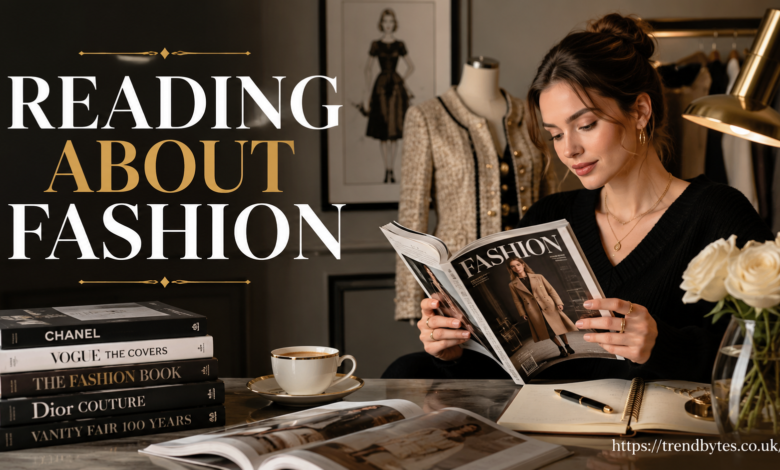
Reading about fashion is one of the easiest and most effective ways to improve your understanding of clothing, personal style, fashion history, and industry trends. Whether you are a beginner exploring fashion for the first time or someone looking to develop a deeper appreciation for design, reading about fashion can help you build knowledge that goes far beyond choosing what to wear.
Fashion is more than attractive outfits. It reflects culture, history, technology, creativity, and individual identity. By reading about fashion regularly, you can discover how trends develop, why certain styles become popular, and how designers influence the way people dress around the world.
Why Reading About Fashion Matters
Reading about fashion offers valuable insights into an industry that constantly evolves. Instead of simply following trends, you learn the reasons behind them. This knowledge helps you make smarter fashion choices and develop your own personal style.
Some of the biggest benefits include:
- Understanding fashion history
- Learning about fabrics and materials
- Building confidence in your wardrobe choices
- Discovering global fashion cultures
- Recognizing quality clothing
- Following seasonal trends with purpose
- Improving your fashion vocabulary
Fashion knowledge becomes much more meaningful when it is built through consistent reading rather than relying only on social media.
The Different Types of Fashion Content
Reading about fashion includes many different topics. Exploring a variety of content helps create a well-rounded understanding of the fashion world.
Fashion History
Learning about fashion history explains how clothing evolved through different civilizations, decades, and cultural movements. Historical fashion often inspires modern collections, making this knowledge especially valuable.
Topics commonly include:
- Ancient clothing traditions
- Victorian fashion
- Twentieth-century fashion evolution
- Vintage fashion
- Fashion during major historical events
- Iconic fashion decades
Fashion Trends
Trend articles explain which colors, fabrics, silhouettes, and accessories are becoming popular each season.
Reading trend reports helps readers understand:
- Spring fashion
- Summer collections
- Autumn styles
- Winter fashion
- Runway influences
- Street style movements
Personal Style Guides
Personal style content focuses on helping individuals build wardrobes that suit their lifestyle, personality, and body type.
These guides often discuss:
- Capsule wardrobes
- Color combinations
- Outfit coordination
- Wardrobe essentials
- Accessory selection
- Seasonal dressing
Reading About Fashion Improves Personal Style
One major advantage of reading about fashion is developing confidence in your clothing choices.
Instead of copying every trend, informed readers learn how to adapt trends to suit their personality. They understand what works for different occasions, climates, and preferences.
Over time, this knowledge leads to:
- Better shopping decisions
- Less unnecessary spending
- More versatile wardrobes
- Stronger personal branding
- Increased confidence
Fashion becomes an expression of individuality rather than imitation.
Fashion Vocabulary You Learn Through Reading
Regular reading introduces important fashion terminology that makes understanding the industry much easier.
Common fashion terms include:
- Haute couture
- Ready-to-wear
- Silhouette
- Tailoring
- Textile
- Pattern
- Draping
- Minimalism
- Sustainable fashion
- Fast fashion
Understanding these terms helps readers communicate more confidently about clothing and style.
How Fashion Reflects Culture
Fashion has always represented society’s beliefs, traditions, and artistic expression.
Reading about fashion reveals how clothing differs across countries and cultures while highlighting the influences that shape global fashion.
Examples include:
- Traditional garments
- Regional textiles
- Religious clothing
- National dress
- Cultural celebrations
- Contemporary adaptations
Fashion often tells stories about identity and heritage that cannot be understood through clothing alone.
Reading About Fashion and Sustainable Clothing
Sustainability has become one of the most discussed topics in fashion.
Reading educational content helps consumers understand:
- Ethical manufacturing
- Eco-friendly fabrics
- Slow fashion
- Clothing recycling
- Circular fashion
- Responsible shopping
These concepts encourage more thoughtful purchasing habits while supporting environmentally responsible fashion practices.
Reading About Fashion Helps You Shop Smarter
Reading about fashion provides valuable knowledge before making purchasing decisions.
Instead of buying impulsively, informed shoppers evaluate:
- Fabric quality
- Construction
- Stitching
- Durability
- Cost per wear
- Versatility
This leads to wardrobes filled with timeless, practical pieces rather than short-lived trends.
Fashion Magazines and Editorial Content
Fashion magazines have long served as educational resources.
They often include:
- Designer interviews
- Seasonal collections
- Fashion photography
- Styling advice
- Beauty trends
- Celebrity fashion
- Industry analysis
Editorial articles also explain the creative thinking behind fashion collections, helping readers appreciate clothing as an art form.
Reading About Fashion for Beginners
If you are new to reading about fashion, start with basic concepts before exploring advanced topics.
Begin by learning:
Fashion Basics
Understand the foundation of clothing including:
- Tops
- Bottoms
- Outerwear
- Shoes
- Accessories
Fabric Knowledge
Learning about fabrics makes shopping easier.
Popular materials include:
- Cotton
- Linen
- Wool
- Silk
- Denim
- Leather
- Polyester
Knowing each fabric’s characteristics helps choose clothing suited to different climates and occasions.
Color Theory
Reading about color coordination teaches how colors work together.
Topics often include:
- Warm colors
- Cool colors
- Neutral shades
- Complementary colors
- Monochromatic outfits
- Seasonal palettes
Color knowledge improves outfit coordination significantly.
Fashion Icons and Their Influence
Fashion history includes countless influential designers, models, celebrities, and creative directors who transformed the industry.
Reading their stories provides valuable lessons about:
- Creativity
- Innovation
- Personal branding
- Design philosophy
- Business success
Many iconic styles continue inspiring today’s fashion collections.
Reading About Fashion Builds Career Opportunities
Fashion knowledge benefits many professions.
Careers connected to fashion include:
- Fashion writer
- Fashion blogger
- Stylist
- Designer
- Buyer
- Merchandiser
- Photographer
- Retail manager
- Marketing specialist
- Content creator
Even professionals outside the fashion industry benefit from understanding style and presentation.
Fashion Psychology
Clothing influences both self-confidence and first impressions.
Reading about fashion psychology explains how clothing affects:
- Confidence
- Professional image
- Mood
- Social perception
- Communication
- Personal identity
Understanding these concepts helps people dress intentionally for different situations.
Developing Critical Fashion Thinking
Reading regularly encourages readers to evaluate trends rather than accepting them automatically.
Questions experienced readers often ask include:
- Why is this trend becoming popular?
- Is it practical?
- Does it suit my lifestyle?
- Is it sustainable?
- Will it remain stylish long term?
Critical thinking leads to more meaningful fashion choices.
Building a Fashion Reading Habit
Creating a routine makes learning easier.
Helpful habits include:
- Reading one fashion article daily.
- Exploring different fashion topics each week.
- Learning one new fashion term regularly.
- Studying seasonal collections.
- Comparing historical and modern styles.
- Keeping notes about favorite fashion ideas.
Small daily efforts build impressive knowledge over time.
Common Mistakes People Make When Reading About Fashion
Many beginners make avoidable mistakes while learning.
These include:
- Following every trend blindly
- Ignoring fashion history
- Buying without understanding quality
- Overlooking fabric knowledge
- Confusing luxury with style
- Believing fashion has strict rules
Fashion education teaches flexibility, creativity, and personal expression rather than rigid guidelines.
Practical Ways to Apply What You Learn
Reading becomes valuable when knowledge is applied in daily life.
You can:
- Organize your wardrobe.
- Experiment with outfit combinations.
- Identify timeless clothing pieces.
- Improve shopping decisions.
- Build a signature style.
- Dress appropriately for different occasions.
- Understand current fashion conversations.
These practical applications make fashion education enjoyable and rewarding.
The Future of Fashion Learning
Fashion continues evolving through technology, sustainability, innovation, and changing consumer preferences.
Readers who stay informed are better prepared to understand emerging trends while appreciating timeless style principles.
As fashion becomes increasingly global, learning from diverse perspectives expands creativity and personal expression.
Conclusion
Reading about fashion is far more than learning about clothing. It is a journey into creativity, history, culture, design, and personal identity. By consistently reading about fashion, you gain valuable knowledge that improves your style, shopping decisions, confidence, and appreciation for the fashion industry.
Whether your goal is developing a stronger wardrobe, understanding fashion history, following trends intelligently, or simply enjoying the world of style, reading about fashion provides lasting benefits. The more you learn, the easier it becomes to create a wardrobe that reflects your personality while making informed, confident fashion choices every day.