Reading Fashion: A Complete Guide to Interpreting Style, Trends, and Fashion Culture

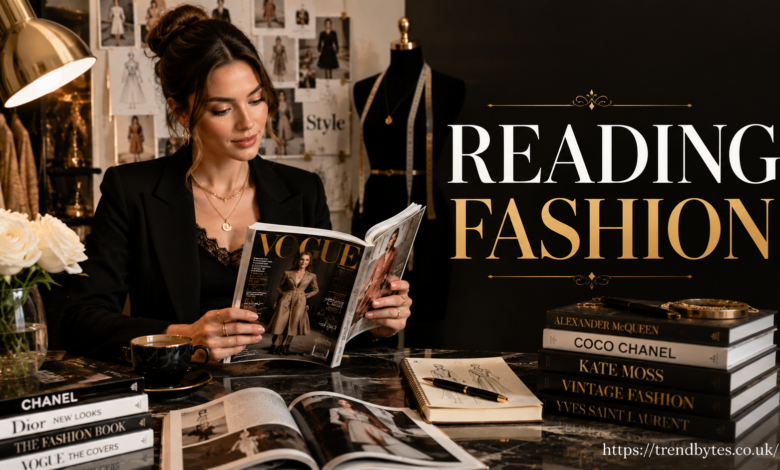
Reading fashion is more than simply looking at clothing or following the latest trends. It is the ability to understand what garments, colors, fabrics, accessories, and styling choices communicate about individuals, cultures, history, and society. Whether you are a fashion enthusiast, student, stylist, or everyday shopper, learning the art of reading fashion helps you appreciate clothing beyond its appearance.
Fashion constantly evolves, reflecting cultural movements, technological innovations, and personal identity. By developing the skill of reading fashion, you can better understand style choices, recognize quality craftsmanship, and make more informed wardrobe decisions.
What Is Reading Fashion?
Reading fashion refers to analyzing and interpreting clothing, accessories, styling, and design elements to understand their meaning, purpose, and influence.
Instead of simply asking whether an outfit looks attractive, reading fashion encourages deeper questions such as:
- What message does this outfit communicate?
- Why were these colors selected?
- What historical period inspired this design?
- How does this style reflect current fashion trends?
- What fabrics and construction techniques were used?
These observations help build a stronger understanding of fashion as both an art form and a cultural expression.
Why Reading Fashion Is Important
Learning the skill of reading fashion provides numerous personal and professional benefits.
These include:
- Improving personal style
- Understanding fashion history
- Shopping more wisely
- Appreciating garment quality
- Recognizing timeless designs
- Building confidence
- Developing creative thinking
Fashion becomes much more meaningful when you understand the stories behind clothing.
Fashion as a Form of Communication
Clothing communicates information before a single word is spoken.
People often express:
- Personality
- Confidence
- Profession
- Culture
- Creativity
- Lifestyle
- Values
Reading fashion allows you to interpret these visual messages more accurately while appreciating individual style choices.
Understanding Fashion Elements
Every outfit consists of multiple design elements working together.
These include:
Color
Colors influence mood and perception.
Common examples include:
- Black for sophistication
- White for simplicity
- Blue for confidence
- Red for energy
- Green for freshness
- Beige for elegance
Understanding color theory is an important part of reading fashion.
Fabric
Different fabrics create different impressions.
Popular materials include:
- Cotton
- Linen
- Silk
- Wool
- Leather
- Denim
- Velvet
Fabric quality often reveals the craftsmanship behind a garment.
Silhouette
Silhouette refers to the overall shape created by clothing.
Examples include:
- Tailored
- Oversized
- Straight
- A-line
- Fitted
- Relaxed
The silhouette significantly influences an outfit’s visual impact.
H2: Reading Fashion Through Historical Trends
Reading fashion becomes easier when you understand how clothing has evolved over time.
Historical influences remain visible in many modern collections.
Some important periods include:
- Victorian elegance
- Edwardian refinement
- Roaring Twenties glamour
- Mid-century sophistication
- Seventies bohemian fashion
- Nineties minimalism
Designers often reinterpret these historical styles for contemporary audiences.
Reading Fashion in Everyday Life
Fashion interpretation is not limited to runway shows.
Daily observations can include:
- Business attire
- Street style
- Evening wear
- Casual clothing
- Sportswear
- Formal fashion
Each setting has its own fashion language and expectations.
Fashion Trends and Reading Fashion
Fashion trends constantly evolve, making observation an essential skill.
Trend analysis involves studying:
- Seasonal colors
- Popular fabrics
- Accessories
- Footwear
- Patterns
- Textures
Rather than copying trends, reading fashion helps determine which styles best suit individual preferences.
H3: Reading Fashion Through Accessories
Accessories often complete an outfit while adding personality.
Important accessories include:
- Watches
- Jewelry
- Handbags
- Scarves
- Hats
- Belts
- Sunglasses
These details often reveal personal taste and styling confidence.
Reading Fashion and Personal Style
Everyone develops a unique personal style over time.
Reading fashion helps identify style categories such as:
- Classic
- Minimalist
- Vintage
- Modern
- Elegant
- Casual
- Streetwear
- Romantic
Recognizing these styles makes wardrobe planning easier.
Fashion Quality Indicators
Reading fashion also involves recognizing garment quality.
Look for:
- Strong stitching
- Premium fabrics
- Even seams
- Durable buttons
- Clean finishing
- Structured tailoring
Quality clothing generally lasts longer and maintains its appearance.
Sustainable Fashion
Modern fashion increasingly emphasizes sustainability.
Reading fashion includes understanding:
- Ethical manufacturing
- Eco-friendly fabrics
- Clothing longevity
- Recycling
- Slow fashion
- Responsible shopping
These principles support environmentally conscious fashion choices.
Reading Fashion Across Different Cultures
Fashion varies significantly around the world.
Traditional clothing reflects:
- Heritage
- Climate
- Religion
- Art
- Local craftsmanship
- Cultural identity
Learning about international fashion broadens appreciation for global creativity.
Fashion Vocabulary
Expanding your fashion vocabulary improves your ability to discuss clothing confidently.
Useful terms include:
- Haute couture
- Ready-to-wear
- Draping
- Tailoring
- Pleating
- Embroidery
- Textile
- Pattern
- Monochrome
- Layering
Understanding these concepts strengthens fashion knowledge.
Building Better Shopping Habits
Reading fashion encourages thoughtful purchasing decisions.
Instead of buying impulsively, experienced shoppers evaluate:
- Fabric quality
- Construction
- Fit
- Comfort
- Versatility
- Durability
This approach results in a more practical and timeless wardrobe.
Practical Ways to Improve Reading Fashion Skills
Anyone can become better at reading fashion through regular practice.
Helpful activities include:
- Studying fashion photography
- Visiting clothing exhibitions
- Reading fashion books
- Observing street style
- Comparing seasonal collections
- Learning fashion history
- Practicing outfit analysis
Consistent learning develops stronger observation skills.
Common Mistakes Beginners Make
Many beginners misunderstand fashion because they focus only on trends.
Avoid these common mistakes:
- Ignoring garment quality
- Buying every new trend
- Overlooking fabric choices
- Forgetting personal comfort
- Neglecting fit
- Confusing expensive with stylish
Fashion should reflect individuality rather than imitation.
Applying Reading Fashion in Daily Life
Reading fashion has practical applications beyond personal wardrobes.
It can improve:
- Professional appearance
- Event dressing
- Shopping decisions
- Creative projects
- Fashion careers
- Personal confidence
The more you understand clothing, the easier it becomes to make stylish and practical choices.
The Future of Reading Fashion
Fashion continues evolving through innovation, sustainability, technology, and changing consumer preferences.
People who develop strong reading fashion skills remain better prepared to appreciate new trends while recognizing timeless style principles.
Fashion education continues expanding beyond clothing into culture, history, business, and creative expression.
Conclusion
Reading fashion is an essential skill that transforms the way people understand clothing, style, and personal expression. Rather than simply following trends, it encourages thoughtful observation of fabrics, colors, silhouettes, craftsmanship, history, and cultural influences. By mastering the art of reading fashion, you gain greater confidence in your wardrobe choices, improve your shopping decisions, appreciate quality design, and develop a deeper understanding of one of the world’s most influential creative industries. Whether you are exploring fashion for personal interest or professional growth, reading fashion opens the door to a richer appreciation of style and its lasting impact on everyday life.