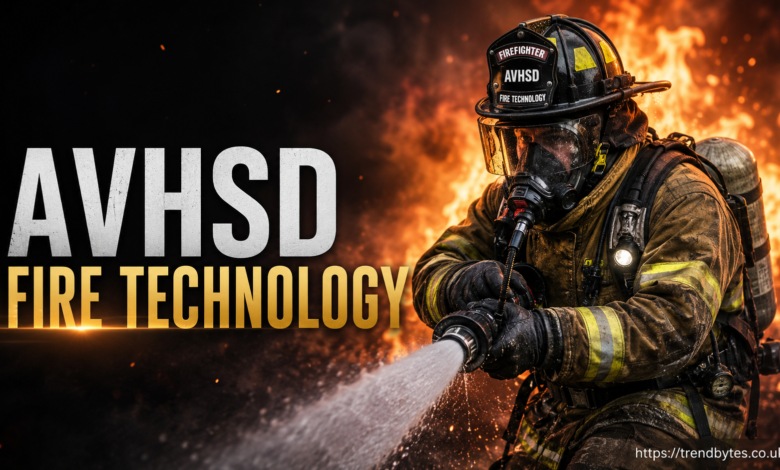
If you’re interested in becoming a firefighter or building a career in emergency services, AVHSD Fire Technology can be an excellent starting point. Fire technology programs are designed to prepare students with the knowledge, technical skills, and hands-on experience needed to respond to emergencies safely and effectively.
Today’s fire service is about much more than putting out fires. Modern firefighters handle hazardous materials, medical emergencies, rescue operations, disaster response, fire prevention, and public education. As technology continues to advance, fire technology education has become more important than ever.
This guide explains everything you need to know about AVHSD Fire Technology, including available training, career opportunities, required skills, certifications, best practices, and how students can prepare for success in the fire service.
What Is AVHSD Fire Technology?
AVHSD Fire Technology refers to fire science and career technical education programs designed to introduce students to the principles of firefighting, emergency response, public safety, and fire prevention.
These programs combine classroom instruction with practical learning experiences that help students understand how modern fire departments operate.
Students learn how emergency responders protect lives, reduce property damage, and support communities during emergencies.
Many programs also prepare students for further education at colleges, fire academies, or emergency medical training programs.
Why Fire Technology Education Matters
Firefighters face complex emergencies every day.
Proper education helps students develop:
- Fire safety knowledge
- Emergency response skills
- Physical readiness
- Teamwork abilities
- Leadership qualities
- Critical thinking
- Communication skills
- Risk assessment techniques
Strong educational foundations make future firefighters more confident and better prepared for real-world emergencies.
Core Subjects Covered in AVHSD Fire Technology
Fire technology programs often include a wide range of topics.
Fire Behavior
Students learn how fires start, spread, and can be controlled.
This includes:
- Heat transfer
- Fire chemistry
- Fuel sources
- Smoke behavior
- Flashover
- Backdraft awareness
Understanding fire behavior improves firefighter safety during emergency operations.
Fire Prevention
Preventing fires is just as important as extinguishing them.
Students study:
- Building inspections
- Fire codes
- Community education
- Home safety
- Business fire prevention
- Hazard identification
Emergency Medical Response
Many fire departments respond to medical emergencies more frequently than structure fires.
Students may receive introductory training in:
- Basic first aid
- CPR
- Patient assessment
- Emergency medical procedures
- Incident management
Rescue Operations
Firefighters perform many types of rescues.
Training often includes:
- Vehicle extrication
- Rope rescue
- Search techniques
- Victim removal
- Confined space awareness
Hazardous Materials Awareness
Students learn how dangerous chemicals affect emergency response.
Topics include:
- Chemical identification
- Personal protective equipment
- Safety procedures
- Isolation zones
- Incident reporting
Skills Students Develop
Technical Skills
Fire technology students build practical abilities such as:
- Equipment operation
- Hose deployment
- Ladder safety
- Fire suppression techniques
- Emergency communications
- Scene assessment
Soft Skills
Successful firefighters also need excellent people skills.
Programs encourage development in:
- Leadership
- Decision-making
- Team collaboration
- Problem-solving
- Professional ethics
- Public speaking
These skills remain valuable throughout a public safety career.
Equipment Used During Training
Fire technology education introduces students to many professional tools.
Common equipment includes:
- Fire hoses
- Nozzles
- Protective clothing
- Self-contained breathing apparatus
- Portable radios
- Fire extinguishers
- Rescue tools
- Thermal imaging equipment
- Ladders
- Emergency medical kits
Learning proper equipment use helps students become comfortable before entering advanced training.
Career Opportunities After AVHSD Fire Technology
Completing a fire technology program can open the door to many public safety careers.
Popular career paths include:
- Firefighter
- Fire inspector
- Fire investigator
- Emergency medical technician (EMT)
- Rescue technician
- Fire prevention specialist
- Emergency management assistant
- Public safety educator
- Wildland firefighter
- Industrial fire safety technician
Many students continue their education before entering full-time employment.
Certifications That Support Career Growth
While certification requirements vary by region, students often pursue credentials that strengthen their qualifications.
Examples include:
- CPR certification
- First Aid certification
- Emergency Medical Technician (EMT)
- Firefighter Academy training
- Hazardous Materials Awareness
- Incident Command System training
- Wildland Fire certification
Additional certifications often improve employment opportunities.
Benefits of Studying Fire Technology
Students gain much more than technical knowledge.
Benefits include:
- Career readiness
- Practical experience
- Physical fitness
- Leadership development
- Community service opportunities
- Improved confidence
- Better communication skills
- Strong teamwork abilities
Fire technology education also teaches responsibility and discipline that transfer to many careers.
What Employers Look For
Fire departments seek candidates who demonstrate professionalism and commitment.
Important qualities include:
Physical Fitness
Firefighting is physically demanding.
Candidates should maintain strength, endurance, flexibility, and cardiovascular health.
Positive Attitude
Departments value applicants who remain calm under pressure and work well with others.
Strong Communication
Emergency responders must communicate clearly during stressful situations.
Integrity
Trustworthiness and ethical behavior are essential in public safety careers.
Continuous Learning
Technology, equipment, and emergency procedures continue evolving.
Successful firefighters commit to lifelong learning.
Best Practices for Fire Technology Students
Students can maximize their learning experience by following proven strategies.
Stay Physically Active
Regular exercise improves endurance for practical training and future academy testing.
Practice Safety First
Always follow instructor guidance and wear protective equipment during exercises.
Study Consistently
Review classroom material regularly rather than waiting until exams.
Build Teamwork Skills
Fire service depends on cooperation.
Learn to communicate respectfully and support classmates.
Ask Questions
Experienced instructors provide valuable knowledge beyond textbooks.
Take advantage of their real-world experience.
Common Mistakes to Avoid
Many students unintentionally slow their progress.
Avoid these common mistakes.
Ignoring Physical Conditioning
Technical knowledge alone is not enough.
Physical fitness plays a major role in firefighting success.
Underestimating Safety Procedures
Skipping safety steps during training creates unnecessary risks.
Always follow established procedures.
Poor Time Management
Balancing coursework, practical exercises, and physical training requires careful planning.
Weak Communication
Practice giving clear instructions and listening carefully during team activities.
Focusing Only on Fire Suppression
Modern firefighters perform many emergency services.
Develop skills in rescue, prevention, medical response, and public education.
Expert Tips for Success in Fire Technology
Students who stand out often follow these recommendations.
Develop excellent study habits.
Volunteer in community service projects.
Maintain a positive attitude.
Improve public speaking skills.
Stay physically fit year-round.
Practice leadership whenever possible.
Learn emergency communication techniques.
Build strong professional relationships with instructors and classmates.
Remain open to feedback and continuous improvement.
Real-World Example
Imagine a high school student enrolled in AVHSD Fire Technology.
Throughout the program, the student learns fire behavior, emergency communications, CPR, rescue techniques, and workplace safety.
After graduation, the student enrolls in a local fire academy while earning EMT certification.
Because of the knowledge gained through fire technology education, the transition into professional training becomes much smoother.
Within a few years, the student begins serving the community as a firefighter while continuing advanced education and specialized certifications.
This pathway demonstrates how early career education can support long-term success.
Future Trends in Fire Technology
The fire service continues evolving with new technology.
Important trends include:
Advanced Fire Detection
Modern buildings increasingly use intelligent fire detection systems.
Firefighters must understand how these systems operate.
Drone Technology
Drones assist emergency responders by providing aerial views during incidents.
Thermal Imaging
Improved thermal cameras help firefighters locate victims and hidden fire sources more efficiently.
Electric Vehicle Safety
As electric vehicles become more common, firefighters require specialized training for battery-related emergencies.
Data-Driven Emergency Response
Departments increasingly use digital mapping, analytics, and incident management software to improve emergency operations.
Students entering fire technology today will benefit from understanding these emerging technologies.
How to Prepare Before Joining a Fire Technology Program
Students interested in fire technology should begin preparing early.
Helpful steps include:
- Maintain good physical health.
- Develop strong math and science skills.
- Improve communication abilities.
- Volunteer within the community.
- Learn basic first aid.
- Build teamwork experience.
- Practice leadership.
- Stay organized with schoolwork.
These habits create a strong foundation for future success.
People Also Ask (FAQs)
What is AVHSD Fire Technology?
AVHSD Fire Technology is a career-focused educational program that introduces students to firefighting, emergency response, fire prevention, rescue operations, and public safety careers.
Is AVHSD Fire Technology a good career pathway?
Yes. It provides valuable knowledge and practical skills for students interested in firefighting, emergency medical services, fire prevention, and related public safety professions.
What skills do students learn in fire technology?
Students develop fire suppression knowledge, emergency response skills, teamwork, leadership, communication, rescue techniques, safety awareness, and critical thinking abilities.
Do students receive hands-on training?
Many fire technology programs combine classroom instruction with practical exercises that allow students to practice emergency response techniques safely.
Can fire technology lead to becoming a firefighter?
Yes. Fire technology programs often serve as an excellent foundation before attending a fire academy or pursuing firefighter certification.
What certifications help fire technology students?
CPR, First Aid, EMT certification, Hazardous Materials Awareness, Firefighter Academy training, and Incident Command System courses can strengthen career opportunities.
Is physical fitness important in fire technology?
Absolutely. Firefighters perform physically demanding work, so maintaining strength, endurance, and flexibility is essential throughout training and employment.
What careers are available besides firefighting?
Graduates may pursue careers in fire inspection, fire investigation, emergency management, industrial safety, public education, emergency medical services, rescue operations, and fire prevention.
Conclusion
AVHSD Fire Technology provides students with a strong foundation for careers in firefighting, emergency response, and public safety. Through classroom instruction, hands-on learning, physical preparation, and leadership development, students gain valuable skills that extend far beyond the fire service.
As emergency response continues evolving with new equipment, advanced technology, and changing community needs, professionals who invest in quality education will remain in high demand. Whether your goal is becoming a firefighter, EMT, fire inspector, or public safety leader, AVHSD Fire Technology offers an excellent starting point for building a rewarding and meaningful career dedicated to protecting lives and serving the community.