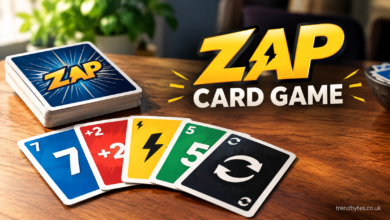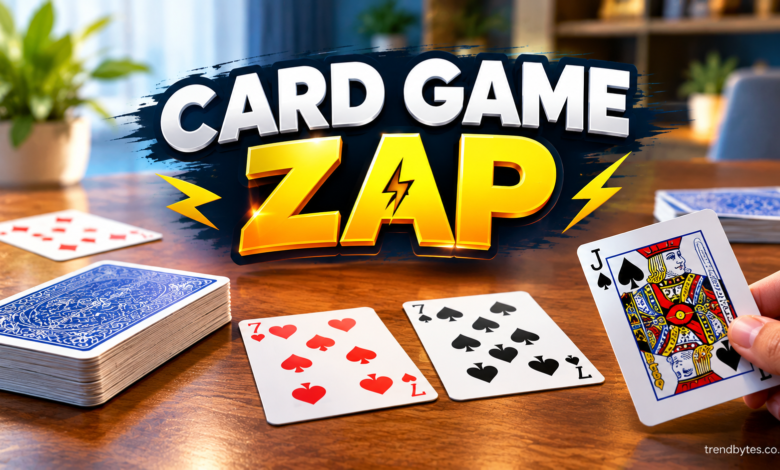
If you are looking for a fast, simple, and exciting card activity, card game zap is a fun option to explore. The name “Zap” is commonly associated with quick-reaction card games where players must stay alert and respond as soon as a matching card, number, symbol, or other condition appears.
The appeal is easy to understand. You do not need a complicated board, a large playing area, or hours of preparation. A deck of cards and a group of players can be enough to create a surprisingly competitive game.
Whether you are introducing Zap to children, looking for a family card game, or simply want a quick activity with friends, understanding the basic setup and gameplay can make the experience much more enjoyable.
What Is Card Game Zap?
Card game Zap is best understood as a quick-response style card game built around observation, speed, and concentration.
Players typically take turns revealing cards while watching closely for a specific condition. When that condition appears, players may need to call out “Zap,” react quickly, or perform another agreed action.
The exact rules can vary depending on the version being played. That flexibility is one of the reasons Zap-style games work well for different age groups and settings.
At its core, the game rewards three things:
- Fast visual recognition
- Careful attention
- Quick reactions
Unlike strategy-heavy card games, Zap is usually easy to learn. However, the simple rules do not mean the game lacks excitement. A single card can suddenly change the pace of a round.
How to Play Card Game Zap
The easiest way to begin is to create a clear set of rules before the first round.
Card Game Zap Setup
Start with a standard deck of playing cards or the specific deck designed for the version of Zap you are using.
Shuffle the cards thoroughly and decide how they will be placed. Depending on the variation, cards may be dealt to players or placed into a shared pile.
Next, choose the condition that triggers “Zap.”
For example, you could make the rule:
“When two cards of the same rank appear consecutively, the first player to call Zap wins the pile.”
You can also create other triggers, such as matching suits, specific numbers, or particular card combinations.
The important thing is that every player understands the trigger before the game starts.
Basic Gameplay
Once the cards are ready, players begin revealing them according to the agreed rules.
Everyone should watch the cards rather than focusing only on their own hand. When the trigger appears, players react as quickly as possible.
The player who correctly calls “Zap” can receive the cards, earn a point, or gain another advantage depending on the rules.
Play continues until the deck is finished or a player reaches the agreed score.
For younger players, it is usually better to keep scoring simple. For older players, additional rules can make the game more competitive.
Why Card Game Zap Is So Much Fun
The biggest strength of Zap is its fast pace.
Many traditional card games require players to think several turns ahead. Zap can create excitement in just a few seconds because players never know exactly when the next trigger will appear.
It also encourages active participation. Even when a player is not revealing a card, they still need to watch carefully.
That makes Zap useful for:
- Family game nights
- Children’s activities
- Classroom breaks
- Parties
- Road trips
- Indoor gatherings
- Quick games between longer activities
Another advantage is that rounds can be relatively short. If players only have 10 or 15 minutes, there is still enough time for several rounds.
Card Game Zap Strategy: How to React Faster
Although Zap relies heavily on reaction speed, good players do more than simply react quickly.
Stay Focused on the Entire Playing Area
One common mistake is watching only the person directly before you.
Instead, keep your attention on the shared playing area. This gives you a better chance of recognizing the trigger immediately.
Avoid unnecessary distractions, especially if the game is moving quickly.
Learn the Trigger Pattern
Before playing competitively, make sure you know exactly what causes a Zap.
If the trigger involves matching ranks, train yourself to recognize pairs quickly. If the rule involves colors, suits, or specific combinations, focus on those characteristics.
The more familiar the pattern becomes, the less time you spend thinking about what you saw.
Do Not Call Zap Too Early
Speed is important, but accuracy matters too.
Calling Zap when the required condition has not appeared can result in a penalty under some house rules.
A good player develops a balance between reaction speed and visual accuracy.
Keep Your Hands Ready
Your physical position can make a small difference in a reaction-based game.
Keep your hands close to the playing area without touching cards unnecessarily. Sit comfortably and maintain a clear view of the cards.
Good positioning reduces unnecessary movement.
Best Card Game Zap Variations
One of the best things about Zap is that players can customize the rules.
Matching Rank Zap
In this version, players call Zap whenever two cards with the same rank appear in succession.
For example, a 7 followed by another 7 creates the trigger.
This is one of the easiest versions for beginners.
Matching Suit Zap
Players watch for consecutive cards from the same suit.
For example, a heart followed by another heart could trigger the action.
This variation can be slightly harder because players must pay attention to suit rather than rank.
Special Card Zap
Choose one or more cards as special triggers.
For example, players could agree that seeing a Queen means everyone must react immediately.
This version works particularly well with younger players because the rule is easy to remember.
Multiple Trigger Zap
For experienced players, introduce several conditions.
A Zap could occur when:
- Two matching ranks appear
- Two matching suits appear
- A particular card appears
- A predetermined sequence is completed
This creates a faster and more challenging game.
However, avoid adding too many conditions at once. If players cannot remember the rules, the game becomes confusing instead of fun.
Common Mistakes to Avoid
Even simple card games can become frustrating when the rules are unclear.
One common mistake is changing the rules in the middle of a round. Decide the rules before starting and keep them consistent.
Another problem is allowing players to argue about whether a Zap was valid. Establish a simple ruling system before gameplay begins.
For example, if two players call Zap at almost the same moment, you could award the point to the player whose hand reaches the target first.
It is also important to avoid overly complicated scoring. The goal is to keep the game moving.
Finally, make sure the cards remain visible to everyone. Players should not have to lean across the table or guess what was played.
Tips for Playing With Kids
Zap can be a great family game, but younger players may need simpler rules.
Start with one obvious trigger. Matching numbers or identifying one special card is easier than remembering several conditions.
You can also slow down the pace during the first few rounds. Once everyone understands the pattern, increase the speed naturally.
For younger children, consider using fewer cards. A smaller deck makes the game easier to manage and can help children stay focused.
Most importantly, keep the atmosphere friendly. Reaction games can become competitive quickly, so encourage players to treat mistakes as part of the fun.
Tips for Making Zap More Competitive
If you are playing with older children, teenagers, or adults, several small changes can increase the challenge.
Use a scoring system where each successful Zap earns one point.
You could also introduce penalties for false calls. For example, incorrectly calling Zap could cost one point.
Another option is to play several short rounds and keep a running score.
A tournament-style format can work especially well for groups. Each round produces a winner, and the players with the highest scores advance to a final round.
The key is to increase difficulty gradually rather than making the game complicated from the beginning.
Best Practices for a Great Zap Game
A few simple practices can make the experience smoother.
Explain the rules first. Everyone should know exactly what causes a Zap.
Use a clear playing surface. A table with enough room for everyone is ideal.
Shuffle thoroughly. Random cards make each round less predictable.
Keep the pace consistent. Extremely slow gameplay can reduce excitement, while excessive speed may frustrate beginners.
Settle disputes quickly. Agree on how ties and incorrect calls are handled.
Adjust the difficulty. Beginners should get simple rules, while experienced players can handle multiple triggers.
These small details can make a major difference in the quality of the game.
Card Game Zap for Parties and Family Game Nights
Zap works especially well when you want something that requires very little preparation.
For a family game night, you can start with a basic matching rule and play several short rounds. Between rounds, players can switch positions or change the trigger.
At a party, a tournament format can create friendly competition. Players can be divided into groups, with winners moving into a final round.
Because the game is easy to explain, new players can usually join without needing a long tutorial.
That makes it a useful choice when your group includes people with different gaming experience levels.
Is Card Game Zap Good for Beginners?
Yes. Reaction-based Zap games are generally beginner-friendly because the basic concept is straightforward.
New players do not need to memorize a large collection of complicated rules. They mainly need to understand the trigger and watch the playing area carefully.
The difficulty comes from reaction speed rather than a long learning curve.
For first-time players, begin with one trigger and simple scoring. After everyone understands the mechanics, you can introduce additional challenges.
People Also Ask About Card Game Zap
What is card game Zap?
Card game Zap is a fast-paced reaction-style card game in which players watch for a specific card, match, pattern, or condition and react when it appears.
How do you win card game Zap?
Winning depends on the rules being used. In many versions, players earn points or cards by being the first to correctly react when the Zap condition occurs.
How many people can play Zap?
The number of players depends on the particular version. A small group is often easiest because everyone can clearly see the playing area.
Is Zap suitable for kids?
Yes. A simplified version can be suitable for children. Use clear triggers, simple scoring, and a slower pace for younger players.
Can you make your own Zap rules?
Absolutely. Creating house rules is one of the easiest ways to adapt the game. You can change the trigger, scoring system, penalties, or difficulty.
Is Zap a strategy game or a reaction game?
Zap is primarily a reaction and observation game. However, experienced players can improve their performance through better attention, positioning, and pattern recognition.
What makes Zap different from traditional card games?
Traditional card games often rely on turns, strategy, or hand management. Zap focuses more heavily on rapid observation and immediate reactions.
How can I make Zap more challenging?
Add multiple triggers, introduce penalties for false calls, increase the scoring competition, or create tournament-style rounds.
Conclusion
Card game Zap is a simple but engaging way to turn an ordinary deck of cards into a fast-paced competition. Its biggest strengths are easy rules, quick rounds, active participation, and the ability to customize the gameplay.
For beginners, start with one clear trigger and simple scoring. As players become comfortable, add new challenges, special cards, or multiple conditions.
The best Zap games are not necessarily the most complicated. They are the ones where everyone understands the rules, stays alert, and enjoys the competition. Whether you are planning a family game night, looking for a quick party activity, or simply want a fun card challenge, Zap can deliver plenty of excitement with minimal preparation.