Do jews celebrate easter? A Complete Guide to Jewish Traditions and Passover

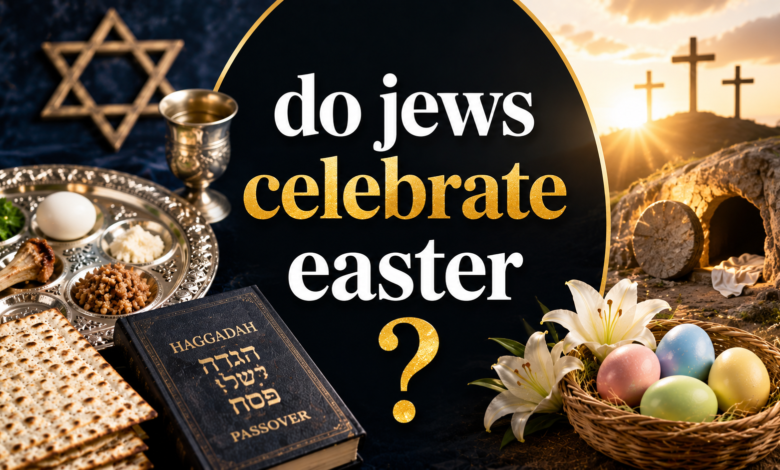
One of the most common questions people ask during the spring holiday season is, do jews celebrate easter? The simple answer is no. Easter is a Christian holiday that celebrates the resurrection of Jesus Christ, while Judaism follows its own religious traditions and observes Passover (Pesach) during the same time of year.
Because Easter and Passover often occur close together on the calendar, many people assume they are the same holiday or that Jewish people also celebrate Easter. In reality, they are separate religious observances with different histories, beliefs, and traditions.
This complete guide explains do jews celebrate easter, why the answer is generally no, what Jewish families celebrate instead, how Passover differs from Easter, and why understanding these holidays helps promote respect for different faiths.
Do Jews Celebrate Easter?
The direct answer to do jews celebrate easter is no.
Jewish people generally do not celebrate Easter because it is a Christian holiday based on beliefs that are not part of Judaism. Easter focuses on the death and resurrection of Jesus Christ, whom Christianity recognizes as the Messiah.
Judaism does not share this belief. Instead, Jewish people observe Passover, one of the most significant holidays in the Jewish calendar.
Although some Jewish individuals may attend Easter gatherings with Christian relatives or friends for social reasons, Easter itself is not considered a Jewish religious celebration.
Why Don’t Jews Celebrate Easter?
Understanding why Jewish people do not celebrate Easter begins with recognizing the differences between Judaism and Christianity.
Different Religious Beliefs
Christianity and Judaism share portions of ancient history, but they have distinct beliefs and traditions.
Christianity teaches:
- Jesus is the Messiah.
- Jesus died on the cross.
- Jesus rose from the dead on Easter.
Judaism does not accept these beliefs and therefore does not observe Easter as a religious holiday.
Separate Religious Traditions
Every religion has its own holy days and sacred traditions.
For Jewish families, important holidays include:
- Passover
- Rosh Hashanah
- Yom Kippur
- Hanukkah
- Sukkot
- Shavuot
Easter is not included among Jewish religious festivals.
What Do Jews Celebrate Instead of Easter?
When people search do jews celebrate easter, they often want to know which holiday Jewish families celebrate during the same season.
The answer is Passover, also known as Pesach.
Passover remembers the biblical story of the Israelites’ freedom from slavery in Egypt under the leadership of Moses.
It is one of the oldest and most meaningful celebrations in Judaism.
What Is Passover?
Passover is a spring festival that commemorates the Exodus from Egypt.
According to Jewish tradition, God delivered the Israelites from slavery after a series of plagues. During the final plague, Israelite homes marked with lamb’s blood were “passed over,” giving the holiday its English name.
Passover is a celebration of:
- Freedom
- Faith
- Family
- Hope
- Gratitude
- Jewish history
H2: do jews celebrate easter or Passover?
If someone asks do jews celebrate easter, the more accurate comparison is between Easter and Passover.
While Easter celebrates the resurrection of Jesus, Passover celebrates the liberation of the Israelites from slavery.
Although the holidays often occur around the same time, they remain separate religious observances.
H3: Why Passover Is So Important
Passover is considered one of Judaism’s most significant holidays because it teaches important values.
These include:
- Freedom from oppression
- Remembering history
- Gratitude
- Faith in God
- Family traditions
Each generation is encouraged to remember and retell the story of the Exodus.
Passover Traditions
Passover includes many meaningful customs that have been practiced for generations.
The Seder Meal
The centerpiece of Passover is the Seder, a ceremonial meal held on the first night, or first two nights in many communities.
Families gather to:
- Read from the Haggadah
- Tell the Exodus story
- Sing traditional songs
- Eat symbolic foods
- Discuss the meaning of freedom
Symbolic Foods
Every food served during the Seder has special significance.
Common foods include:
- Matzah (unleavened bread)
- Bitter herbs
- Charoset
- Roasted shank bone
- Parsley
- Salt water
Each item represents an important part of the Exodus story.
Avoiding Leavened Bread
During Passover, many Jewish families avoid eating foods made with leavened grains.
Instead, they eat matzah throughout the holiday to remember the Israelites’ hurried departure from Egypt.
Key Differences Between Easter and Passover
Although they occur during the same season, Easter and Passover are very different.
Easter
Focuses on:
- Resurrection of Jesus
- Christian faith
- Church services
- Prayer
- Easter traditions
Passover
Focuses on:
- Exodus from Egypt
- Freedom
- Family meals
- Jewish history
- Seder celebration
Why Do Easter and Passover Often Occur Together?
Many people wonder why these holidays appear so close on the calendar.
The reason is historical.
According to Christian tradition, the events surrounding Jesus’ crucifixion took place during Passover.
However, each religion calculates its holiday dates differently.
As a result:
- They sometimes overlap.
- They sometimes occur days apart.
- They remain separate celebrations.
Can Jewish People Participate in Easter Activities?
Although Jewish people generally do not celebrate Easter as a religious holiday, there are situations where they may participate in certain activities.
Examples include:
- Visiting Christian relatives
- Family meals
- School events
- Community gatherings
- Cultural celebrations
Participation in these settings is typically social rather than religious.
Common Misunderstandings
Several misconceptions often arise regarding Easter and Judaism.
Jewish People Celebrate Easter
This is false.
Judaism does not include Easter as a religious holiday.
Passover Is the Jewish Easter
This is also incorrect.
Passover has its own history, purpose, and traditions that are separate from Easter.
Easter and Passover Are the Same Holiday
Although they occur around the same season and share historical connections, they are different celebrations with different meanings.
Why Learning About Religious Holidays Matters
Understanding different religious traditions helps build respect and appreciation for cultural diversity.
Knowing the answer to do jews celebrate easter helps prevent misunderstandings and encourages thoughtful conversations between people of different faiths.
Learning about Passover also provides insight into one of Judaism’s most important celebrations.
Family Traditions During Passover
Passover is a deeply family-centered holiday.
Many families gather to:
- Share traditional recipes
- Tell the Exodus story
- Sing songs
- Ask questions
- Reflect on freedom
- Spend time together
For many Jewish households, these traditions strengthen family bonds while preserving cultural heritage.
How Passover Is Observed Around the World
Jewish communities around the world celebrate Passover with customs that reflect both shared traditions and local culture.
While specific foods, songs, and family practices may vary, the central themes remain the same:
- Remembering the Exodus
- Celebrating freedom
- Gathering with loved ones
- Passing traditions to future generations
Conclusion
If you’ve been asking do jews celebrate easter, the answer is generally no. Easter is a Christian holiday centered on the resurrection of Jesus Christ, while Jewish people observe Passover, which commemorates the Israelites’ freedom from slavery in ancient Egypt. Although the two holidays often occur during the same season and share historical connections, they remain separate religious observances with distinct beliefs, customs, and traditions.
Understanding do jews celebrate easter helps promote greater awareness of Judaism and Christianity while encouraging respect for the rich traditions of both faiths. By learning about Passover and its significance, we gain a deeper appreciation for the cultural and historical heritage that continues to shape Jewish communities around the world.