Do Muslims Celebrate Thanksgiving? A Complete Guide to Islamic Views and Modern Practices

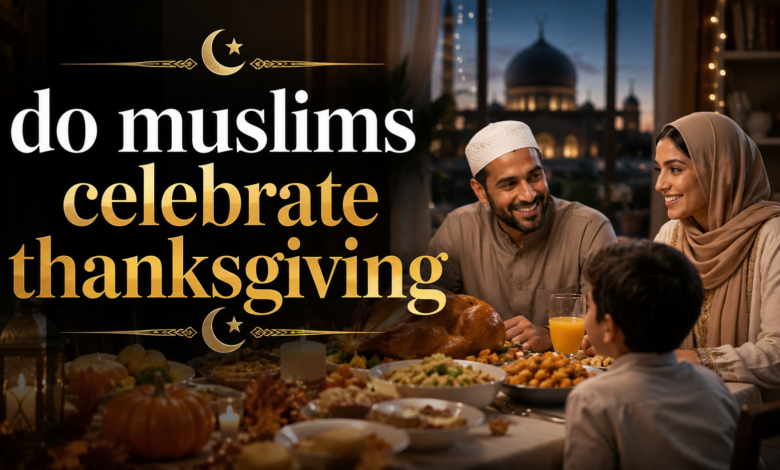
Do Muslims celebrate Thanksgiving? This is a common question, especially in countries like the United States and Canada, where Thanksgiving is a widely observed holiday centered on gratitude, family gatherings, and shared meals. The answer is not a simple yes or no because Muslims around the world have different cultural backgrounds, personal beliefs, and religious interpretations. Some Muslim families choose to participate in Thanksgiving as a cultural event, while others prefer not to observe it for religious or personal reasons.
Understanding do muslims celebrate thanksgiving requires looking at both Islamic teachings and the diverse experiences of Muslim communities. Islam encourages gratitude toward God every day of the year, but it also provides guidance on religious celebrations and cultural traditions. This article explores the topic in depth to help readers understand why Muslim practices may vary.
Understanding Thanksgiving
Before answering do muslims celebrate thanksgiving, it is helpful to understand what Thanksgiving represents.
Thanksgiving is primarily celebrated in countries such as the United States and Canada. It traditionally focuses on:
- Expressing gratitude
- Spending time with family
- Sharing meals
- Helping those in need
- Reflecting on blessings
For many people, Thanksgiving is viewed as a cultural or national holiday rather than a religious one.
Because of this distinction, Muslim participation often depends on how individuals interpret the holiday.
The Islamic Perspective on Gratitude
Gratitude is one of the central values in Islam.
Muslims are encouraged to thank God regularly through prayer, worship, and good deeds. Gratitude is considered an ongoing part of daily life rather than something reserved for a single day each year.
Islam teaches believers to appreciate:
- Health
- Family
- Food
- Shelter
- Knowledge
- Opportunities
- Community
- Peace
This emphasis on thankfulness aligns with many of the positive values associated with Thanksgiving.
Do Muslims Celebrate Thanksgiving?
The direct answer to do muslims celebrate thanksgiving is that some Muslims do, while others do not.
There is no universal rule requiring Muslims to celebrate or avoid Thanksgiving.
Instead, practices generally fall into three categories:
Muslims Who Celebrate Thanksgiving
Some Muslim families participate because they view Thanksgiving as a cultural event rather than a religious celebration.
They may enjoy:
- Family dinners
- Sharing food
- Inviting friends
- Volunteering
- Giving thanks to God
- Spending quality time together
For these families, Thanksgiving becomes an opportunity to strengthen relationships and express gratitude.
Muslims Who Do Not Celebrate Thanksgiving
Other Muslims choose not to celebrate Thanksgiving.
Their reasons may include:
- Avoiding holidays not established in Islam
- Preferring Islamic celebrations
- Personal convictions
- Cultural traditions from their home countries
Their decision reflects individual religious understanding rather than opposition to gratitude itself.
Muslims Who Observe It Selectively
Some families participate in certain traditions while avoiding others.
For example, they might:
- Share a family meal
- Avoid holiday decorations
- Focus on gratitude
- Donate to charity
- Spend time with relatives
This balanced approach is common in multicultural societies.
Do Muslims Celebrate Thanksgiving as a Religious Holiday?
The answer is generally no.
From an Islamic perspective, Thanksgiving is not considered one of Islam’s religious holidays.
The two primary Islamic celebrations are:
- Eid al-Fitr
- Eid al-Adha
These occasions have religious significance and specific acts of worship associated with them.
Thanksgiving does not replace or add to these religious celebrations.
Instead, Muslims who participate usually view it as a cultural gathering rather than an act of worship.
Why Opinions Differ
Muslim communities are incredibly diverse.
People come from different countries, cultures, and schools of thought.
As a result, opinions regarding Thanksgiving vary based on:
- Family traditions
- Local culture
- Religious interpretation
- Personal preference
- Community practices
This diversity explains why there is no single answer for every Muslim family.
Do Muslims Celebrate Thanksgiving While Maintaining Islamic Values?
Many Muslims who observe Thanksgiving choose to ensure that their participation remains consistent with Islamic values.
These values include:
Gratitude
Thanking God for blessings remains the primary focus.
Family Unity
Islam strongly encourages maintaining family relationships.
Charity
Helping those in need reflects an important Islamic principle.
Hospitality
Sharing food with guests has long been encouraged within Muslim traditions.
When Thanksgiving emphasizes these universal values, some Muslims feel comfortable participating.
Thanksgiving Traditions Muslim Families May Enjoy
Families who choose to celebrate often adapt the holiday to reflect their beliefs.
Examples include:
- Preparing halal meals
- Inviting neighbors
- Hosting relatives
- Donating food
- Reflecting on blessings
- Avoiding activities that conflict with Islamic teachings
These adaptations allow families to participate while remaining true to their faith.
Common Thanksgiving Foods in Muslim Homes
Many Muslim households prepare halal versions of traditional dishes.
Popular options include:
- Halal turkey
- Roasted chicken
- Rice dishes
- Stuffing made with halal ingredients
- Mashed potatoes
- Vegetable casseroles
- Fresh salads
- Homemade desserts
Some families also include traditional foods from their own cultural backgrounds.
This creates a unique blend of traditions.
Gratitude in Everyday Muslim Life
Regardless of whether Muslims celebrate Thanksgiving, gratitude remains an essential part of Islamic practice.
Many Muslims express thankfulness by:
- Performing daily prayers
- Giving charity
- Helping neighbors
- Caring for family
- Supporting their community
- Remembering God’s blessings
These practices continue throughout the year.
Benefits of Family Gatherings
Family gatherings offer many positive opportunities.
They encourage:
- Stronger relationships
- Better communication
- Shared traditions
- Emotional support
- Community connection
For Muslims who participate, Thanksgiving often serves as another occasion to strengthen family bonds.
Charity During Thanksgiving
Many Muslim organizations increase charitable activities during the Thanksgiving season.
Common efforts include:
- Food drives
- Community meals
- Clothing donations
- Volunteer work
- Supporting homeless shelters
Acts of generosity align closely with Islamic teachings about helping others.
Misconceptions About Muslim Participation
Several misunderstandings often appear when discussing do muslims celebrate thanksgiving.
Myth: All Muslims Celebrate Thanksgiving
Reality: Some do, while many do not.
Myth: Muslims Are Forbidden from Family Gatherings
Reality: Islam strongly encourages maintaining family ties.
Myth: Thanksgiving Is Always Viewed as Religious
Reality: Many people, including some Muslims, see it as a cultural holiday.
Myth: Muslim Families Cannot Enjoy Thanksgiving Meals
Reality: Many simply prepare halal versions of traditional dishes if they choose to participate.
Thanksgiving Around the World
Outside North America, Thanksgiving is generally less common.
Muslim communities in different countries may have little or no connection to the holiday.
Instead, they focus on local customs and Islamic celebrations.
This geographical difference also explains why experiences vary widely among Muslims worldwide.
Respecting Different Choices
One important lesson when asking do muslims celebrate thanksgiving is recognizing that individual choices deserve respect.
Some families enthusiastically participate.
Others respectfully decline.
Both approaches can reflect sincere efforts to practice their faith according to their understanding.
Respecting these differences promotes understanding within diverse communities.
Practical Examples
A Muslim family living in the United States may invite relatives for a halal Thanksgiving dinner while expressing gratitude to God before the meal.
Another Muslim family may use the day simply as time off from work to relax without observing any Thanksgiving traditions.
A third family may volunteer at a community food bank without hosting a holiday dinner.
Each example reflects a different yet thoughtful approach.
Conclusion
Do muslims celebrate thanksgiving is a question with a nuanced answer. Muslims are not required to celebrate Thanksgiving, and it is not an Islamic religious holiday. However, many Muslims choose to participate in Thanksgiving as a cultural occasion centered on gratitude, family, generosity, and togetherness, while others prefer not to observe it based on their personal or religious convictions. Understanding do muslims celebrate thanksgiving means recognizing the diversity within Muslim communities and appreciating that Islamic teachings consistently encourage thankfulness, compassion, charity, and strong family relationships throughout the entire year, regardless of whether Thanksgiving itself is observed.