Do Jewish People Celebrate Christmas? A Complete Guide to Jewish Perspectives on Christmas

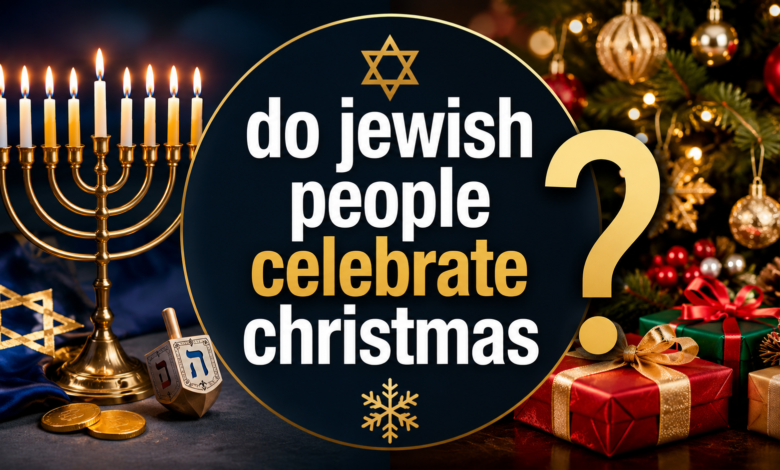
If you’ve ever wondered, do jewish people celebrate christmas, you’re not alone. It’s a common question, especially in countries where Christmas is widely celebrated. The simple answer is that most Jewish people do not celebrate Christmas as a religious holiday because Christmas commemorates the birth of Jesus Christ, whom Christianity recognizes as the Messiah. Judaism, however, does not share this belief.
That said, the full answer is more nuanced. Jewish individuals and families have different cultural backgrounds, traditions, and personal preferences. Some may participate in certain Christmas-related activities for social or family reasons, while others avoid the holiday entirely. Understanding these differences helps promote respect and appreciation for both Jewish and Christian traditions.
In this guide, we’ll answer do jewish people celebrate christmas in detail, explain the relationship between Judaism and Christmas, and explore how Jewish families celebrate the holiday season in their own unique ways.
Understanding Why Christmas Is Not a Jewish Religious Holiday
To understand do jewish people celebrate christmas, it’s important to know what Christmas represents.
Christmas is a Christian holiday that celebrates the birth of Jesus Christ. Since Judaism does not recognize Jesus as the Messiah or the Son of God, Christmas does not hold religious significance within the Jewish faith.
Instead, Judaism has its own religious calendar with numerous holy days and festivals that commemorate important historical and spiritual events.
Some of the most significant Jewish holidays include:
- Hanukkah
- Rosh Hashanah
- Yom Kippur
- Passover (Pesach)
- Sukkot
- Shavuot
- Purim
These holidays reflect Jewish history, faith, and traditions rather than Christian beliefs.
Do Jewish People Ever Celebrate Christmas?
Although Christmas is not a Jewish religious holiday, the answer varies depending on individual circumstances.
Some Jewish people:
- Do not celebrate Christmas at all.
- Spend the day relaxing with family.
- Attend gatherings with Christian relatives.
- Exchange gifts in mixed-faith households.
- Enjoy seasonal decorations without observing the religious meaning.
- Volunteer in their communities during Christmas.
Participation often depends on personal beliefs, family traditions, and cultural influences rather than religious practice.
H2: Do Jewish People Celebrate Christmas in Interfaith Families?
One situation where the answer to do jewish people celebrate christmas becomes more complex is in interfaith families.
When one parent is Jewish and the other is Christian, families may choose different approaches, such as:
- Celebrating both Hanukkah and Christmas.
- Focusing on one religious tradition.
- Separating religious observances while sharing family gatherings.
- Creating unique family traditions that respect both faiths.
Every family decides what works best for them based on their beliefs and values.
Hanukkah Is Not the Jewish Version of Christmas
A common misconception is that Hanukkah is the Jewish equivalent of Christmas.
This is incorrect.
Hanukkah and Christmas sometimes occur around the same time of year, but they commemorate entirely different events.
Hanukkah Celebrates
- The rededication of the Second Temple in Jerusalem.
- The victory of the Maccabees.
- The miracle of the oil lasting eight days.
Common Hanukkah traditions include:
- Lighting the menorah.
- Playing dreidel.
- Eating foods cooked in oil.
- Giving gifts in some families.
- Spending time together.
Hanukkah is an important Jewish holiday, but it is not the most sacred one in Judaism.
H3: Why People Ask “Do Jewish People Celebrate Christmas”
Many people ask do jewish people celebrate christmas because Christmas is highly visible in many countries.
During the holiday season, communities often feature:
- Christmas lights
- Holiday music
- Decorations
- Gift shopping
- Public celebrations
- School vacations
Because Christmas influences many aspects of society, it’s natural to wonder how Jewish communities experience this time of year.
What Do Jewish Families Do on Christmas Day?
There is no universal tradition, but many Jewish families choose activities such as:
Spending Time Together
Family gatherings remain important regardless of religious holidays.
Watching Movies
In some communities, going to the movies has become a lighthearted Christmas Day tradition.
Dining Out
Many restaurants remain open on Christmas Day, particularly Chinese restaurants in some regions, making dining out a popular custom for many Jewish families.
Relaxing at Home
Some families simply enjoy a quiet day together.
Volunteering
Others use Christmas Day as an opportunity to help those in need through community service.
Jewish Holidays That Hold Greater Religious Importance
Instead of Christmas, Judaism places greater emphasis on holidays such as:
Rosh Hashanah
The Jewish New Year marks a period of reflection and renewal.
Yom Kippur
Known as the Day of Atonement, this is considered the holiest day in Judaism.
Passover
Passover commemorates the Israelites’ liberation from slavery in ancient Egypt.
Sukkot
This harvest festival celebrates God’s protection during the Israelites’ journey through the wilderness.
Each holiday carries deep religious meaning within Jewish tradition.
Respecting Different Holiday Traditions
One of the most important lessons in answering do jewish people celebrate christmas is recognizing diversity.
Not all Jewish people practice Judaism in the same way.
Some identify as:
- Orthodox
- Conservative
- Reform
- Reconstructionist
- Secular
- Cultural Jews
Their approach to Christmas may differ depending on personal beliefs, family background, and cultural experiences.
Similarly, not every Christian celebrates Christmas in exactly the same way.
Respecting these differences promotes understanding and inclusion.
Common Misconceptions
Jewish people celebrate Christmas because Hanukkah happens at the same time.
False.
The two holidays have different origins, meanings, and religious significance.
All Jewish families avoid Christmas completely.
Not necessarily.
Some participate in family gatherings or cultural celebrations without observing Christmas as a religious holiday.
Hanukkah is the Jewish Christmas.
No.
Hanukkah commemorates a historical event in Jewish history and is unrelated to the birth of Jesus.
Jewish people exchange Christmas gifts.
Some interfaith or secular families may exchange gifts, but this is not a traditional Jewish religious practice.
Cultural vs. Religious Participation
It’s helpful to distinguish between cultural participation and religious observance.
For example, a Jewish person may:
- Attend a workplace Christmas party.
- Enjoy holiday lights.
- Visit Christian relatives.
- Exchange gifts with friends.
These activities do not necessarily mean they are celebrating Christmas as a religious holiday.
Many participate for social or family reasons while maintaining their own religious identity.
Conclusion
When asking do jewish people celebrate christmas, the most accurate answer is that most Jewish people do not celebrate Christmas as a religious holiday because it is rooted in Christian beliefs about the birth of Jesus Christ. Instead, Judaism has its own rich calendar of holidays, traditions, and celebrations that reflect Jewish history, faith, and culture.
At the same time, individual experiences vary. Some Jewish people participate in Christmas-related activities for cultural, family, or social reasons, particularly in interfaith households or multicultural communities. Understanding these differences helps foster mutual respect and appreciation for diverse religious traditions. By learning more about do jewish people celebrate christmas, we gain a deeper understanding of both Judaism and the importance of honoring different beliefs during the holiday season.