A mini goldendoodle is a popular designer dog known for its friendly personality, intelligence, and adorable teddy bear appearance. This hybrid combines a Miniature Poodle with a Golden Retriever, creating a smaller companion dog that often inherits the best qualities of both breeds.
Many families choose a mini Goldendoodle because they are affectionate, playful, and highly trainable. They can fit well into different lifestyles, from active households to people looking for a loving companion.
However, owning one requires understanding their grooming needs, exercise requirements, temperament, and potential health concerns. This complete guide covers everything you need to know before bringing a mini Goldendoodle into your home.
What Is a Mini Goldendoodle?
A mini Goldendoodle is a crossbreed between a Golden Retriever and a Miniature Poodle. The goal of this mix is to create a smaller dog with the intelligence of a Poodle and the gentle, social nature of a Golden Retriever.
Because they are a mixed breed, mini Goldendoodles can vary in appearance, size, coat type, and personality. Some may look more like a Golden Retriever, while others may have stronger Poodle traits.
Their popularity has grown because they often combine:
- A friendly temperament
- High intelligence
- Low-shedding coats
- A manageable size
- Strong family companionship
While many people describe them as “hypoallergenic,” no dog is completely allergy-free. Allergies are usually caused by dander, saliva, and skin particles rather than fur alone.
Mini Goldendoodle Size and Appearance
The size of a mini Goldendoodle depends on the size of the Poodle parent and the dog’s generation.
Most mini Goldendoodles typically weigh between 15 and 35 pounds and stand around 13 to 20 inches tall at the shoulder.
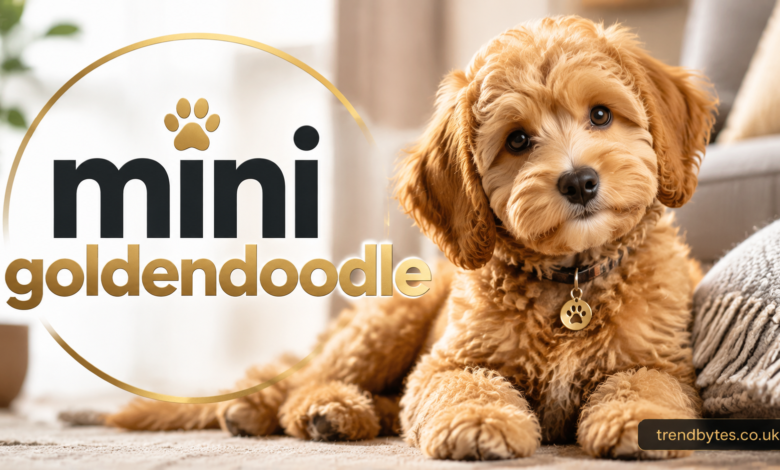
Their appearance often includes:
- Soft, wavy, or curly coats
- Floppy ears
- Dark, expressive eyes
- A rounded face
- A fluffy tail
Coat colors can vary and may include:
- Golden
- Cream
- Apricot
- Red
- Chocolate
- Black or mixed shades
A smaller Goldendoodle may be called a toy, petite, or micro Goldendoodle, depending on breeding size and terminology used by breeders.
Mini Goldendoodle Temperament and Personality
The mini Goldendoodle is known for being affectionate, social, and eager to please. Their personality often makes them excellent family pets.
They usually enjoy being around people and may form strong bonds with their owners.
Common personality traits include:
- Friendly and outgoing
- Intelligent and curious
- Playful
- Loyal
- Easy to train
Because they are companion-oriented dogs, they may not do well if left alone for very long periods. Without enough interaction, some mini Goldendoodles can develop boredom-related behaviors such as chewing or excessive barking.
Are Mini Goldendoodles Good Family Dogs?
Yes, mini Goldendoodles are often excellent family dogs when properly trained and socialized.
They usually enjoy children, but young dogs still need supervision because their playful energy can sometimes be overwhelming for smaller kids.
Early socialization helps them become confident around:
- Children
- Other dogs
- Visitors
- New environments
A well-trained mini Goldendoodle can become a wonderful companion for many types of households.
Mini Goldendoodle Exercise Needs
Although they are smaller than standard Goldendoodles, mini Goldendoodles are still active dogs.
They typically need daily physical activity and mental stimulation to stay healthy and happy.
Good activities include:
- Daily walks
- Playing fetch
- Puzzle toys
- Training games
- Short hikes
- Interactive play
A common mistake is assuming that a smaller dog requires very little exercise. Mini Goldendoodles are intelligent and energetic, so they need both physical movement and mental challenges.
A bored dog may find its own entertainment, which can lead to unwanted behaviors.
Grooming a Mini Goldendoodle
Grooming is one of the most important parts of mini Goldendoodle care.
Their coats can range from loose waves to tight curls. Curlier coats often require more maintenance because they are more likely to develop mats and tangles.
Regular grooming includes:
- Brushing several times per week
- Professional grooming every 6 to 8 weeks
- Regular ear cleaning
- Nail trimming
- Dental care
How to Maintain a Mini Goldendoodle Coat
Brushing from the skin outward helps prevent hidden mats. Many owners use a slicker brush and metal comb to keep the coat healthy.
Pay extra attention to areas where tangles commonly form:
- Behind the ears
- Under the legs
- Around the collar area
- The tail
Starting grooming habits early helps puppies become comfortable with handling.
Training a Mini Goldendoodle
Mini Goldendoodles are usually intelligent and respond well to positive reinforcement training.
Their Poodle heritage often gives them strong problem-solving abilities, while their Golden Retriever background makes them eager to work with people.
Effective training methods include:
- Reward-based training
- Short, consistent sessions
- Praise and treats
- Early socialization
Important skills to teach include:
- Basic commands
- Leash manners
- House training
- Recall
- Calm behavior around guests
Training should begin early because smart dogs can quickly learn both good and bad habits.
Mini Goldendoodle Health Considerations
Like all dogs, mini Goldendoodles can be prone to certain health conditions. Responsible breeding practices and regular veterinary care are important for maintaining their well-being.
Potential health concerns may include:
- Hip dysplasia
- Eye conditions
- Ear infections
- Allergies
- Joint problems
- Skin issues
Regular veterinary checkups, a balanced diet, exercise, and preventive care can support a longer, healthier life.
A responsible breeder should provide health information about the puppy’s parents and genetic screening when available.
Feeding a Mini Goldendoodle
A mini Goldendoodle needs a balanced diet that matches its size, age, and activity level.
Puppies usually need food designed for growth, while adult dogs benefit from formulas made for maintenance.
Important nutrition factors include:
- Quality protein sources
- Healthy fats
- Proper calorie levels
- Essential vitamins and minerals
Avoid overfeeding because smaller dogs can gain weight quickly. Maintaining a healthy weight helps protect their joints and overall health.
Common Mistakes Mini Goldendoodle Owners Make
Even loving owners can make mistakes when caring for their dogs.
Skipping Regular Grooming
A fluffy coat can look healthy on the surface while hiding painful mats underneath.
Not Providing Enough Mental Stimulation
Mini Goldendoodles are smart dogs. They need activities that challenge their minds.
Inconsistent Training
Mixed messages can confuse dogs. Clear rules and routines create better behavior.
Assuming Every Mini Goldendoodle Is the Same
Each dog has a unique personality. Genetics, socialization, and environment all influence behavior.
Expert Tips for Raising a Happy Mini Goldendoodle
Experienced dog owners often focus on creating a balanced routine.
Helpful tips include:
- Start training from puppyhood.
- Introduce new experiences gradually.
- Keep grooming consistent.
- Provide interactive toys.
- Schedule regular veterinary visits.
- Reward calm behavior.
Creating predictable routines helps mini Goldendoodles feel secure and confident.
People Also Ask About Mini Goldendoodles
How big does a mini Goldendoodle get?
Most mini Goldendoodles grow between 15 and 35 pounds, but size can vary depending on genetics and the size of the Poodle parent.
Are mini Goldendoodles good pets?
Yes, mini Goldendoodles are often loving, intelligent, and social dogs that make excellent companions for families and individuals.
Do mini Goldendoodles shed a lot?
Mini Goldendoodles often shed less than Golden Retrievers, but shedding levels vary depending on coat type and genetics.
Are mini Goldendoodles easy to train?
Yes, their intelligence and desire to please usually make them responsive to positive reinforcement training.
How much exercise does a mini Goldendoodle need?
Most mini Goldendoodles need daily walks, playtime, and mental stimulation to stay healthy and well-behaved.
How long do mini Goldendoodles live?
Many mini Goldendoodles live around 10 to 15 years, depending on genetics, health care, diet, and lifestyle.
Do mini Goldendoodles bark a lot?
They are not typically excessive barkers, but boredom, anxiety, or lack of training can contribute to barking.
Are mini Goldendoodles good for first-time dog owners?
Yes, their friendly nature and trainability can make them a good choice for many first-time owners who are prepared for grooming and exercise needs.
Conclusion: Is a Mini Goldendoodle the Right Dog for You?
A mini Goldendoodle can be a wonderful companion for people who want an affectionate, intelligent, and playful dog in a smaller package. Their friendly personality, trainability, and adorable appearance have made them one of the most popular hybrid breeds.
However, they are not a low-maintenance pet. Regular grooming, daily exercise, proper training, and consistent care are essential for keeping them healthy and happy.
If you are ready to provide attention, activity, and love, a mini Goldendoodle can become a loyal family member and a joyful companion for many years.