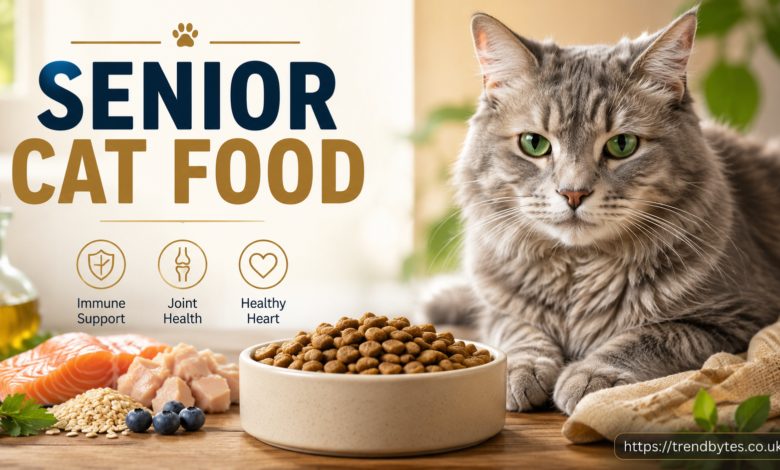
As cats grow older, their nutritional needs begin to change. Choosing the right senior cat food can help support healthy aging, maintain a healthy weight, improve mobility, and promote a better quality of life. While many cats remain active well into their senior years, their metabolism, digestion, and immune system often require additional nutritional support.
Whether your cat has just entered its senior years or has been enjoying retirement for some time, understanding what makes a quality senior diet is one of the best ways to keep your furry companion healthy and comfortable. This guide explains everything you need to know about selecting the best food for aging cats.
What Is Senior Cat Food?
Senior cat food is specially formulated to meet the nutritional needs of older cats, typically those aged 7 years and above. These diets often contain balanced protein levels, moderate calories, joint-supporting nutrients, and highly digestible ingredients.
Unlike kitten or adult formulas, senior diets focus on maintaining muscle mass, supporting healthy organs, and promoting overall wellness as cats age.
Why Older Cats Need Specialized Nutrition
As cats get older, several natural changes occur in their bodies.
These may include:
- Slower metabolism
- Reduced activity levels
- Decreased muscle mass
- More sensitive digestion
- Joint stiffness
- Dental problems
- Changes in kidney function
The right senior cat food helps address these age-related concerns while providing complete and balanced nutrition.
Key Nutrients Found in Quality Senior Cat Food
Choosing the right formula starts with understanding its ingredients.
High-Quality Animal Protein
Cats are obligate carnivores, meaning they require animal protein for optimal health.
Protein supports:
- Lean muscle maintenance
- Healthy immune function
- Tissue repair
- Energy production
Look for real chicken, turkey, salmon, beef, or fish listed as the first ingredient.
Healthy Fats
Healthy fats provide energy while supporting healthy skin and a shiny coat.
Beneficial sources include:
- Fish oil
- Chicken fat
- Salmon oil
- Flaxseed
Omega-3 fatty acids may also help support joint health.
Digestible Carbohydrates
Cats don’t require large amounts of carbohydrates, but easily digestible options can provide additional energy.
Common ingredients include:
- Brown rice
- Sweet potatoes
- Oats
- Peas
These ingredients are generally gentle on the digestive system.
Vitamins and Minerals
Senior cats benefit from nutrients such as:
- Vitamin A
- Vitamin E
- Vitamin B complex
- Zinc
- Selenium
- Calcium
- Phosphorus
These nutrients support immunity, vision, bones, and overall health.
Wet vs. Dry Senior Cat Food
Many cat owners wonder which option is better.
Wet Senior Cat Food
Benefits include:
- Higher moisture content
- Easier chewing
- Better hydration
- Softer texture
- Often more appealing for picky eaters
Wet food can be especially helpful for cats with dental issues.
Dry Senior Cat Food
Advantages include:
- Convenient storage
- Longer shelf life
- Cost-effective
- Easy portion control
Many owners choose to feed both wet and dry food for variety.
How Much Should You Feed an Older Cat?
Every cat is different.
Feeding depends on:
- Age
- Weight
- Activity level
- Health conditions
- Indoor or outdoor lifestyle
Always follow the feeding guidelines on the food packaging and consult your veterinarian if your cat has special dietary needs.
Signs Your Cat May Need Senior Cat Food
Many owners aren’t sure when to switch.
Common signs include:
- Reduced activity
- Weight changes
- Difficulty jumping
- Increased sleeping
- Slower movement
- Sensitive digestion
- Dental wear
Most veterinarians recommend evaluating your cat’s diet around age seven.
Ingredients to Look For
A premium senior diet should contain:
- Real meat as the first ingredient
- Omega-3 fatty acids
- Taurine
- Antioxidants
- Digestible fiber
- Vitamins and minerals
- High-quality protein
These ingredients help maintain long-term health.
Ingredients to Avoid
Some lower-quality foods contain ingredients that offer little nutritional value.
Avoid foods with excessive amounts of:
- Artificial colors
- Artificial flavors
- Artificial preservatives
- Excess fillers
- High sugar content
- Poor-quality meat by-products
Reading ingredient labels carefully helps you make informed choices.
Supporting Joint Health
Joint discomfort becomes more common with age.
Many senior formulas include nutrients like:
- Glucosamine
- Chondroitin
- Omega-3 fatty acids
These ingredients may help maintain joint mobility and comfort.
Kidney Health and Senior Cats
Kidney disease is one of the most common conditions affecting older cats.
While not every senior cat requires a prescription kidney diet, quality senior foods often provide balanced mineral levels and adequate hydration support, especially when wet food is included.
Always follow your veterinarian’s advice if kidney disease has been diagnosed.
Weight Management for Older Cats
Some senior cats gain weight due to reduced activity, while others lose weight because of health conditions or reduced appetite.
Maintaining an ideal body weight helps reduce stress on joints and supports overall health.
Tips include:
- Measure food portions
- Avoid excessive treats
- Encourage gentle play
- Monitor body condition regularly
Dental Health and Food Choices
Dental disease can make chewing difficult.
If your cat struggles with hard kibble, consider:
- Wet food
- Softened dry food
- Mixed feeding
- Smaller kibble formulas
Regular dental care also supports overall health.
Transitioning to Senior Cat Food
Changing diets gradually helps prevent digestive upset.
A simple transition plan:
Days 1–2
- 75% old food
- 25% new food
Days 3–4
- 50% old food
- 50% new food
Days 5–6
- 25% old food
- 75% new food
Day 7
- 100% new food
Slow transitions are usually easier on sensitive stomachs.
Practical Daily Feeding Example
A balanced daily routine might include:
Morning
- Wet senior food
- Fresh water
Afternoon
- Small portion of dry senior food
Evening
- Wet food
- Fresh water refill
Treats
Offer healthy treats in moderation and account for them in your cat’s daily calorie intake.
Expert Tips for Choosing Senior Cat Food
Choosing the best food doesn’t have to be complicated.
Keep these tips in mind:
- Prioritize animal protein.
- Read ingredient labels carefully.
- Maintain fresh drinking water.
- Schedule regular veterinary checkups.
- Monitor weight monthly.
- Adjust portions based on activity level.
- Introduce dietary changes gradually.
Small adjustments can make a significant difference over time.
Common Mistakes to Avoid
Many owners unintentionally make feeding mistakes.
Avoid these common errors:
- Switching foods too quickly
- Overfeeding treats
- Ignoring weight changes
- Choosing food based only on price
- Forgetting regular veterinary exams
- Leaving wet food out too long
- Not monitoring water intake
Awareness helps prevent many age-related nutrition problems.
Best Practices for Feeding Senior Cats
To support healthy aging:
- Feed on a consistent schedule.
- Keep fresh water available at all times.
- Store food properly.
- Monitor appetite daily.
- Encourage gentle exercise.
- Maintain routine health checkups.
- Adjust feeding plans as your cat ages.
Consistency helps your cat stay healthy and comfortable.
People Also Ask
What age is considered a senior cat?
Most veterinarians consider cats to be seniors at around seven years of age, although many remain healthy and active well beyond that.
Is senior cat food necessary?
Not every older cat requires a specialized diet, but senior cat food is often formulated to meet the changing nutritional needs of aging cats and can support long-term health.
Should senior cats eat wet or dry food?
Both can be healthy choices. Wet food supports hydration, while dry food is convenient and easy to store. Many owners feed a combination of both.
How often should I feed my senior cat?
Most senior cats do well with two to three meals per day, although feeding schedules may vary depending on health conditions and your veterinarian’s recommendations.
Can senior cats eat regular adult cat food?
Some healthy older cats can continue eating adult formulas, but senior diets often provide nutrients that better support aging bodies.
What nutrients are most important in senior cat food?
High-quality protein, omega-3 fatty acids, taurine, antioxidants, vitamins, and balanced minerals are among the most important nutrients for older cats.
How can I tell if my senior cat likes its new food?
Signs include eating eagerly, maintaining a healthy weight, having normal digestion, and showing good energy levels.
When should I talk to my veterinarian about my cat’s diet?
Consult your veterinarian if your cat experiences sudden weight changes, reduced appetite, vomiting, diarrhea, increased thirst, or any other unusual symptoms.
Conclusion
Choosing the right senior cat food is one of the most effective ways to support your cat’s health during its golden years. A balanced diet rich in high-quality protein, healthy fats, essential vitamins, and easily digestible ingredients can help maintain muscle mass, support joint health, encourage healthy digestion, and improve overall well-being. By selecting a nutritious formula, monitoring your cat’s weight and appetite, and following regular veterinary guidance, you can help your aging companion enjoy a happier, healthier, and more comfortable life for many years to come.