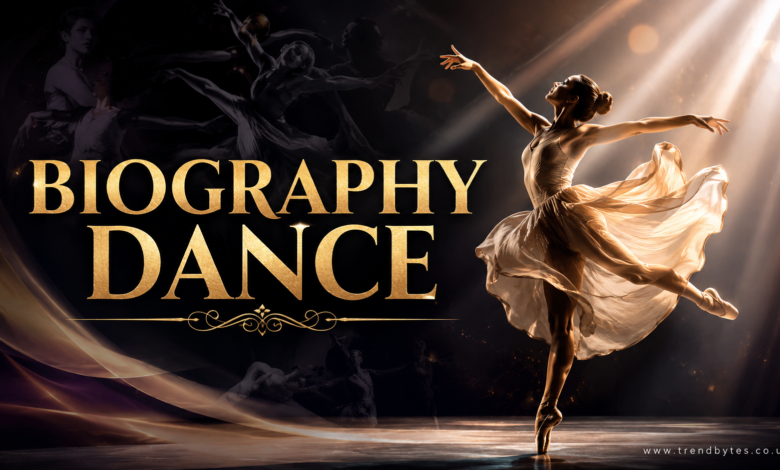
Biography dance is a unique form of artistic expression that tells a person’s life story through movement, choreography, music, and emotion. Instead of relying on spoken words, dancers communicate important life events, struggles, achievements, relationships, and personal growth using carefully designed performances.
Whether performed on a professional stage, in schools, or during cultural events, biography dance creates a powerful emotional connection between performers and audiences. It transforms real-life experiences into meaningful visual storytelling while celebrating individual journeys.
In this complete guide, you’ll learn what biography dance is, its history, major elements, benefits, popular styles, choreography techniques, common mistakes, expert tips, and frequently asked questions.
What Is Biography Dance?
Biography dance is a performance that represents the life story of a real person through dance. The choreography follows significant moments from an individual’s life, allowing audiences to understand emotions, experiences, and personal milestones without lengthy narration.
Unlike traditional dance performances that focus mainly on technique or entertainment, biography dance emphasizes storytelling. Every movement has meaning and contributes to the narrative.
The subject may be:
- A historical figure
- An artist
- A leader
- A family member
- A teacher
- A cultural icon
- The dancer’s own life
Each performance is designed to reflect authentic experiences while creating an emotional journey for viewers.
The History of Biography Dance
Biography dance evolved from the broader tradition of narrative dance, where movement has long been used to tell stories.
Ancient civilizations often performed ceremonial dances depicting heroes, rulers, and legendary figures. Over time, ballet introduced story-driven productions featuring dramatic characters and emotional arcs.
Modern dance expanded these ideas by focusing on personal experiences, identity, and emotional expression. Contemporary choreographers began creating performances inspired by the real lives of influential people rather than fictional characters.
Today, biography dance appears in:
- Stage productions
- Dance competitions
- Educational performances
- Cultural festivals
- Documentary dance projects
- Community theater
- School assignments
Its popularity continues to grow because audiences appreciate authentic and meaningful storytelling.
Why Biography Dance Matters
Biography dance goes beyond entertainment. It helps preserve memories, celebrate achievements, and educate audiences through artistic performance.
Some important reasons include:
- Preserves personal and cultural history
- Builds emotional connections
- Encourages empathy
- Inspires audiences
- Supports creative education
- Celebrates diversity
- Honors influential individuals
Because movement crosses language barriers, people from different backgrounds can understand the emotions behind the performance.
Essential Elements of Biography Dance
Creating an effective biography dance requires careful planning and artistic vision.
Story Structure
Every successful biography dance follows a clear storyline.
Typical sections include:
- Early life
- Challenges
- Important relationships
- Major accomplishments
- Turning points
- Legacy
This structure helps audiences easily follow the narrative.
Emotional Expression
Emotion is the heart of biography dance.
Performers communicate feelings such as:
- Joy
- Hope
- Fear
- Determination
- Love
- Loss
- Success
Facial expressions, posture, and movement quality all contribute to emotional storytelling.
Music Selection
Music establishes mood and strengthens the narrative.
Different life stages may use different musical styles to represent changing emotions or historical periods.
Costume Design
Costumes often reflect:
- Time period
- Personality
- Occupation
- Culture
- Symbolism
Simple costume changes can effectively indicate different chapters of a person’s life.
Stage Design
Props and lighting help create visual context without distracting from the dancer’s performance.
Minimal yet meaningful staging often produces the strongest emotional impact.
Biography Dance in Different Dance Styles
Biography dance is not limited to one dance form.
Biography Dance in Contemporary Dance
Contemporary dance emphasizes emotional storytelling and personal interpretation.
This makes it one of the most popular styles for biography dance because performers can explore complex emotions through fluid, expressive movement.
Biography Dance in Ballet
Classical ballet presents biography through graceful choreography, theatrical costumes, and structured storytelling.
Historical figures are often portrayed using traditional ballet techniques.
Biography Dance in Modern Dance
Modern dance allows greater creative freedom.
Choreographers frequently experiment with abstract movement while still communicating important life experiences.
Biography Dance in Cultural Dance
Many cultures preserve biographies through traditional dance performances that celebrate ancestors, leaders, and community heroes.
These performances often combine dance with music and ceremonial traditions.
How to Create a Biography Dance
Creating an engaging biography dance requires thoughtful preparation.
Step 1: Research the Individual
Learn about:
- Childhood
- Family
- Education
- Challenges
- Career
- Achievements
- Personal values
Accurate information creates a more authentic performance.
Step 2: Identify Key Moments
Not every life event belongs in the choreography.
Focus on moments that shaped the person’s journey.
Examples include:
- Graduation
- Career breakthrough
- Major loss
- Personal transformation
- Historic achievement
Step 3: Build the Story
Arrange events in a logical sequence.
Transitions should feel natural so audiences understand how one stage leads to another.
Step 4: Choose Music
Select music that supports each emotional chapter.
Changes in tempo and mood help reinforce important moments.
Step 5: Choreograph Meaningful Movements
Every movement should represent an idea or emotion rather than simply showcasing technical skill.
Symbolic gestures often communicate more effectively than complex choreography.
Step 6: Rehearse and Refine
Practice repeatedly to improve:
- Timing
- Emotional delivery
- Stage presence
- Story clarity
- Transitions
Feedback from instructors or peers can significantly strengthen the final performance.
Real-World Examples of Biography Dance
Biography dance can portray many inspiring individuals.
Examples include performances about:
- Civil rights leaders
- Famous scientists
- Olympic athletes
- Musicians
- Community heroes
- Family members
- Teachers
A student might create a biography dance about a grandparent’s life journey, while a professional company may produce a full-length performance about a historical figure.
Both approaches celebrate meaningful human experiences.
Benefits of Biography Dance
Biography dance offers advantages for performers, educators, and audiences.
Improves Creativity
Transforming real events into movement encourages creative thinking.
Develops Communication Skills
Dancers learn to express ideas without speaking.
Strengthens Emotional Intelligence
Understanding another person’s life builds empathy and compassion.
Enhances Research Skills
Creating authentic performances requires careful investigation and planning.
Encourages Confidence
Presenting personal stories on stage helps performers develop self-confidence.
Supports Cultural Preservation
Biography dance keeps important stories alive for future generations.
Expert Tips for Creating Outstanding Biography Dance
Professionals often recommend several best practices.
Focus on Authenticity
Remain faithful to the person’s actual experiences whenever possible.
Keep the Story Clear
Avoid including too many events.
Highlight only the moments that define the individual’s journey.
Balance Technique and Emotion
Excellent technique matters, but emotional storytelling should remain the priority.
Use Symbolism
Simple symbols can communicate complex ideas.
For example:
- A chair may represent home.
- A book may symbolize education.
- Light may represent hope.
Practice Emotional Transitions
Smooth emotional shifts make performances feel natural and believable.
Common Mistakes to Avoid
Many performers encounter similar challenges.
Avoid these common mistakes:
- Including too many life events
- Ignoring emotional storytelling
- Choosing distracting music
- Using unnecessary props
- Overcomplicating choreography
- Forgetting historical accuracy
- Relying only on technical dance skills
- Skipping rehearsal feedback
Keeping the story simple often creates a stronger emotional impact.
Best Practices for Biography Dance
For successful performances, remember these guidelines:
- Research thoroughly before choreographing.
- Build a logical story sequence.
- Match movements to emotions.
- Use music intentionally.
- Maintain consistent pacing.
- Practice facial expressions.
- Create smooth transitions.
- Connect with the audience emotionally.
- Revise choreography after rehearsals.
- End with a memorable conclusion that reflects the person’s legacy.
Biography Dance in Education
Schools increasingly use biography dance to make learning more engaging.
Students researching historical figures often create performances instead of traditional presentations.
This approach combines:
- History
- Literature
- Performing arts
- Physical education
- Creative writing
It encourages active learning while improving confidence, teamwork, and presentation skills.
Teachers also find that students retain information more effectively when they experience history through movement.
The Future of Biography Dance
As digital performances, multimedia productions, and interactive theater continue to evolve, biography dance is becoming even more creative.
Choreographers now blend projections, recorded interviews, spoken narration, and visual effects with live movement. Despite these innovations, the core purpose remains the same: sharing authentic human stories through expressive dance.
Biography dance will likely continue growing in schools, professional theaters, cultural organizations, and community performances because it combines education, entertainment, and emotional connection in a powerful way.
People Also Ask (FAQs)
What is biography dance?
Biography dance is a storytelling performance that uses dance to portray the life, experiences, and achievements of a real person through expressive movement.
What is the purpose of biography dance?
Its purpose is to communicate a person’s life journey, inspire audiences, preserve history, and create emotional connections through movement.
Can beginners create a biography dance?
Yes. Beginners can create meaningful biography dance performances by focusing on simple choreography, clear storytelling, and genuine emotional expression.
Which dance styles work best for biography dance?
Contemporary, modern, ballet, lyrical, and cultural dance styles all work well because they support expressive storytelling.
How long should a biography dance performance be?
Performances can range from three minutes for school projects to full-length theatrical productions lasting over an hour.
Is biography dance only about famous people?
No. Biography dance can celebrate anyone, including family members, teachers, community leaders, or even the performer’s own life story.
What makes biography dance different from regular dance?
Unlike performances that focus mainly on technique or entertainment, biography dance emphasizes storytelling, personal experiences, and emotional communication.
How can I improve my biography dance performance?
Research thoroughly, understand the person’s emotions, rehearse consistently, simplify the storyline, and prioritize authentic expression over complicated choreography.
Conclusion
Biography dance is far more than a performance—it is a meaningful way to preserve memories, celebrate achievements, and communicate powerful human experiences through movement. By combining thoughtful research, expressive choreography, emotional depth, and creative storytelling, dancers can transform real-life journeys into unforgettable performances that resonate with audiences of all ages.
Whether you are a student, educator, choreographer, or dance enthusiast, learning the principles of biography dance can help you create performances that inspire, educate, and leave a lasting impression. By following best practices, avoiding common mistakes, and focusing on authentic storytelling, you can develop compelling biography dance productions that honor lives while showcasing the universal power of movement.