Study Abroad AI Technology Workplace Styling Classical Music: The Complete Guide to Global Career Success

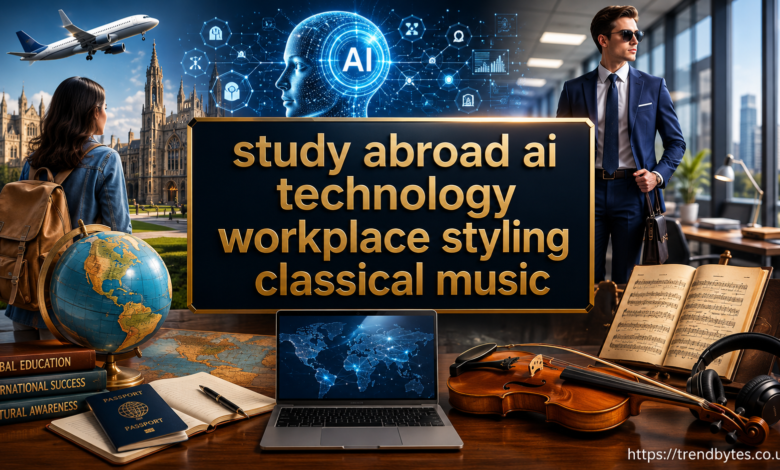
The world of education and careers is changing rapidly, and study abroad ai technology workplace styling classical music has become an unexpected yet powerful combination for students seeking long-term success. Studying in another country develops cultural awareness, technology improves learning and productivity, professional styling strengthens confidence, and classical music enhances focus and creativity.
Instead of viewing these topics separately, successful students and professionals are combining them to build stronger academic records, improve workplace performance, and prepare for global careers. This guide explains how these elements work together and how you can use them to achieve your educational and professional goals.
Why Studying Abroad Is More Valuable Than Ever
International education offers much more than earning a degree. Students gain practical experience that employers consistently value.
Benefits include:
- Improved communication skills
- Greater cultural understanding
- International networking opportunities
- Better problem-solving abilities
- Increased independence
- Exposure to innovative teaching methods
Living in another country also teaches adaptability. Students learn to manage challenges independently, making them more confident when entering competitive workplaces.
Many multinational companies actively seek graduates with international experience because they often adapt more quickly to diverse work environments.
How AI Technology Is Transforming International Education
Technology has changed nearly every aspect of studying abroad.
Students now benefit from:
- Personalized learning platforms
- Intelligent language-learning tools
- Smart study planners
- Digital research assistants
- Automated note organization
- Virtual collaboration tools
These technologies help students manage heavy workloads while maintaining academic performance.
Instead of spending hours organizing assignments manually, students can focus more on critical thinking, research, and practical learning experiences.
Study Abroad AI Technology Workplace Styling Classical Music in Modern Learning
The concept of study abroad ai technology workplace styling classical music reflects a balanced approach to education.
Successful international students often combine:
- Digital learning strategies
- Professional appearance
- Healthy study habits
- Concentration techniques
- Cross-cultural communication
- Personal development
This holistic approach prepares students for careers that require both technical expertise and strong interpersonal skills.
The Importance of Workplace Styling for Students
Professional appearance influences first impressions during internships, interviews, networking events, and presentations.
Workplace styling does not require expensive clothing. Instead, it focuses on presenting yourself professionally and appropriately.
Key principles include:
Choose Well-Fitted Clothing
Clothing that fits properly looks more polished than expensive outfits that do not fit correctly.
Understand Local Dress Culture
Different countries have different workplace expectations.
For example:
- Business formal environments require suits and conservative attire.
- Business casual workplaces allow blazers, chinos, and smart dresses.
- Creative industries often encourage individual style while maintaining professionalism.
Researching local workplace culture before arriving abroad helps avoid awkward situations.
Prioritize Grooming
Simple habits make a significant difference:
- Clean shoes
- Neatly styled hair
- Minimal accessories
- Wrinkle-free clothing
- Professional bags or backpacks
These details demonstrate attention to professionalism.
Why Classical Music Supports Better Learning
Many students underestimate the value of classical music while studying.
Research and student experiences suggest that instrumental music may help create a calm study environment.
Potential benefits include:
- Better concentration
- Reduced distractions
- Improved reading endurance
- Increased relaxation
- Better time management during study sessions
Instrumental compositions allow students to focus without competing lyrics distracting their attention.
Many students prefer listening during:
- Reading assignments
- Essay writing
- Exam preparation
- Research projects
- Quiet revision sessions
Building Daily Habits That Improve Academic Success
Success abroad rarely comes from intelligence alone.
It comes from consistent routines.
An effective daily routine may include:
Morning:
- Review daily priorities
- Organize assignments
- Prepare professional clothing
- Check upcoming deadlines
Afternoon:
- Attend lectures
- Participate in group discussions
- Complete practical coursework
Evening:
- Review class notes
- Read course materials
- Practice language skills
- Listen to calming instrumental music while studying
Small habits repeated consistently often produce better results than occasional intensive study sessions.
Combining Technology and Personal Development
Modern employers increasingly value balanced professionals.
Technical knowledge alone is no longer enough.
Students should also develop:
- Leadership
- Communication
- Emotional intelligence
- Cultural awareness
- Professional etiquette
- Adaptability
Technology supports learning, but personal growth remains essential for long-term career success.
Workplace Styling Tips for International Internships
Internships often become full-time job opportunities.
Making a strong first impression matters.
Best practices include:
Dress One Level Above Expectations
If unsure about the office dress code, slightly more formal attire is usually a safe choice.
Keep Accessories Minimal
Simple watches, professional bags, and neutral colors often create a polished appearance.
Maintain Consistency
Professional appearance should remain consistent throughout the internship rather than only during interviews.
Common Challenges International Students Face
Studying abroad can be rewarding, but challenges are normal.
Some common obstacles include:
Language Barriers
Speaking regularly with classmates helps improve confidence faster than studying alone.
Homesickness
Maintaining communication with family while participating in campus activities creates a healthier balance.
Academic Pressure
Effective scheduling reduces last-minute stress.
Breaking assignments into smaller tasks makes large projects easier to complete.
Financial Management
Budgeting carefully helps students avoid unnecessary debt during their studies.
Best Practices for Career Preparation
Students who prepare early often enjoy smoother career transitions.
Recommended strategies include:
Build a Strong Resume
Highlight:
- International education
- Volunteer experience
- Leadership roles
- Technical skills
- Language proficiency
Develop Networking Skills
Attend:
- Career fairs
- University workshops
- Alumni events
- Industry conferences
Professional relationships often lead to internship and employment opportunities.
Continue Learning
Employers appreciate candidates who regularly improve their knowledge and skills.
Continuous learning demonstrates motivation and adaptability.
Expert Tips for Long-Term Success
Professionals working with international graduates often recommend:
- Stay curious about different cultures.
- Practice communication every day.
- Improve presentation skills.
- Learn industry-specific software.
- Build genuine professional relationships.
- Maintain a healthy work-life balance.
- Stay organized with digital planning tools.
- Develop confidence through preparation rather than perfection.
These habits continue providing value throughout an entire career.
Common Mistakes to Avoid
Many students unintentionally create obstacles during their international education.
Avoid these mistakes:
Ignoring Cultural Differences
Every country has different classroom and workplace expectations.
Observe local customs before making assumptions.
Overlooking Professional Appearance
Casual clothing may be acceptable socially but not during internships or interviews.
Depending Only on Technology
Technology supports learning but should never replace critical thinking, discussion, or practical experience.
Poor Time Management
Waiting until deadlines approach creates unnecessary stress and reduces work quality.
Avoiding Networking
Building relationships with professors, classmates, and industry professionals creates valuable career opportunities.
Real-World Example
Imagine two international students studying the same degree.
Student A attends classes regularly but rarely interacts with classmates, ignores networking opportunities, and dresses casually during internship interviews.
Student B combines strong study habits with digital organization tools, maintains professional workplace styling, actively participates in university events, and uses classical music during focused study sessions.
Although both students earn similar grades, Student B develops stronger professional relationships, gains internship experience, and receives more employment opportunities after graduation.
This example illustrates how multiple small habits create significant long-term advantages.
The Future of Global Education
International education continues evolving alongside technological innovation.
Students are expected to become:
- Digitally skilled
- Globally aware
- Professionally confident
- Adaptable to changing industries
- Effective communicators
- Lifelong learners
Educational institutions increasingly encourage interdisciplinary learning, preparing graduates for careers that combine technical knowledge with human-centered skills.
Those who embrace continuous improvement will remain competitive regardless of industry changes.
People Also Ask
What does study abroad AI technology workplace styling classical music mean?
It describes a modern approach that combines international education, digital learning tools, professional workplace appearance, and classical music to support academic achievement and career development.
Does studying abroad improve career opportunities?
Yes. International education helps students develop cultural awareness, communication skills, independence, and adaptability, all of which are highly valued by employers.
Why is workplace styling important for students?
Professional styling creates positive first impressions during interviews, internships, networking events, and workplace interactions while demonstrating professionalism and confidence.
Can classical music improve study sessions?
Many students find that instrumental classical music helps create a calm environment that supports concentration, reading, and focused learning.
How does technology support international students?
Technology helps organize coursework, manage schedules, improve collaboration, enhance language learning, and simplify academic planning.
What skills should international students develop besides academics?
Students should focus on communication, leadership, teamwork, cultural awareness, adaptability, networking, and professional etiquette.
What are the biggest mistakes international students make?
Common mistakes include poor time management, neglecting networking, ignoring workplace expectations, relying too heavily on technology, and failing to adapt to local culture.
How can students prepare for international careers?
Building professional networks, gaining internship experience, improving communication skills, maintaining a polished professional image, and continuously learning new skills all contribute to long-term career success.
Conclusion
The combination of study abroad ai technology workplace styling classical music represents a practical framework for thriving in today’s global academic and professional environment. International education builds cultural awareness and independence, technology improves learning efficiency, workplace styling strengthens professional confidence, and classical music supports focused study habits.
Rather than relying on any single factor, successful students combine these elements to create lasting personal and career growth. By developing strong daily routines, embracing lifelong learning, presenting yourself professionally, and staying adaptable in a changing world, you can maximize your international education experience and confidently prepare for future opportunities.