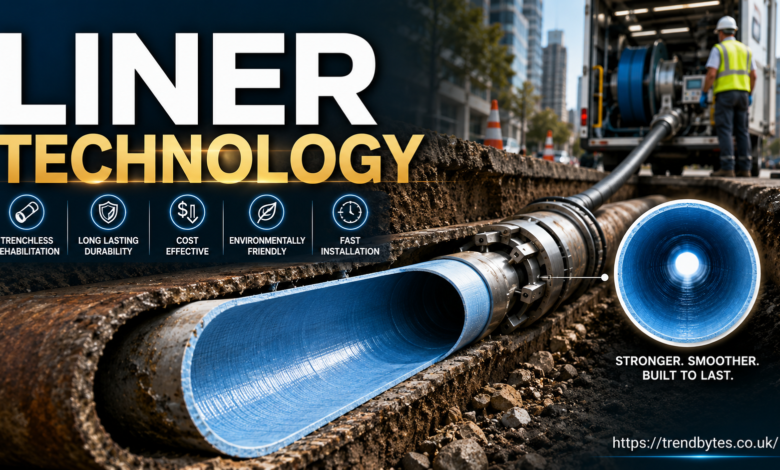
Liner technology has transformed the way aging pipelines are repaired and maintained. Instead of digging up roads, sidewalks, and landscapes to replace damaged pipes, modern liner technology allows engineers to restore pipelines from the inside using advanced trenchless rehabilitation methods. This innovative approach reduces costs, minimizes disruption, shortens project timelines, and extends the lifespan of existing infrastructure.
Today, municipalities, utility companies, industrial facilities, and commercial property owners rely on liner technology to repair sewer lines, stormwater systems, water mains, and industrial pipelines. As infrastructure continues to age worldwide, demand for durable, efficient, and environmentally friendly pipe rehabilitation solutions continues to grow.
This complete guide explains everything you need to know about liner technology, including how it works, common installation methods, materials, applications, advantages, challenges, and future innovations.
What Is Liner Technology?
Liner technology refers to the process of restoring damaged or deteriorating pipelines by installing a new protective liner inside an existing pipe. Instead of removing and replacing the original pipeline, engineers create a new structural layer that strengthens the pipe and restores its performance.
Most liner systems are installed using trenchless technology, which significantly reduces excavation and surface disruption.
Modern liner technology is used in residential, commercial, municipal, and industrial projects where repairing pipelines efficiently is a priority.
Why Liner Technology Is Important
Across the world, many underground pipelines are decades old and vulnerable to cracks, corrosion, root intrusion, and structural damage. Replacing these pipelines through traditional excavation is expensive and disruptive.
Liner technology provides an effective alternative by allowing repairs to be completed without extensive digging.
Key benefits include:
- Lower repair costs
- Faster project completion
- Minimal traffic disruption
- Reduced environmental impact
- Longer pipeline lifespan
- Improved flow efficiency
- Reduced maintenance
- Increased structural strength
- Better leak prevention
- Enhanced public safety
These advantages have made liner technology one of the fastest-growing solutions in modern infrastructure management.
How Liner Technology Works
Although installation methods vary, the basic process follows similar steps.
Inspection
Technicians begin by inspecting the pipeline using specialized CCTV cameras to identify cracks, leaks, corrosion, root intrusion, or structural failures.
Cleaning
The pipeline is cleaned using high-pressure water jetting or mechanical equipment to remove debris, grease, scale, and tree roots.
Measuring
Accurate measurements determine the correct liner size and installation method.
Liner Installation
The selected liner is inserted into the existing pipeline using specialized equipment.
Curing
Depending on the liner type, heat, steam, ultraviolet light, or ambient temperature hardens the liner into a durable structural pipe.
Final Inspection
Engineers perform another camera inspection to verify installation quality and ensure proper operation.
Common Types of Liner Technology
Several pipe rehabilitation methods are used depending on the condition of the pipeline.
Cured-in-Place Pipe (CIPP)
CIPP is one of the most widely used forms of liner technology.
A flexible liner saturated with resin is inserted into the damaged pipe and cured to create a seamless pipe within the original pipeline.
Benefits include:
- No major excavation
- Long service life
- Excellent structural strength
- Leak resistance
- Suitable for various pipe sizes
Slip Lining
Slip lining involves inserting a slightly smaller pipe into the existing damaged pipeline.
The space between the two pipes is filled with grout for additional stability.
This method works well for larger pipelines with significant structural damage.
Spray-In-Place Pipe Lining
Special coatings are sprayed onto the interior surface of existing pipes.
These coatings help restore corrosion resistance while improving flow efficiency.
Spray lining is commonly used for water distribution systems.
Pull-in-Place Lining
A resin-coated liner is pulled through the damaged pipeline before being inflated and cured.
This method works well for certain pipeline configurations where inversion methods are not practical.
Materials Used in Liner Technology
Modern liner systems use advanced materials that provide strength, durability, and chemical resistance.
Common materials include:
- Polyester resin
- Epoxy resin
- Vinyl ester resin
- Fiberglass reinforcement
- Polyethylene liners
- Polyurethane coatings
- Composite materials
Material selection depends on operating conditions, pipe diameter, pressure requirements, and chemical exposure.
Applications of Liner Technology
Liner technology is used across numerous industries.
Major applications include:
Municipal Sewer Systems
Cities use liner technology to repair aging sewer infrastructure without disrupting traffic or neighborhoods.
Stormwater Drainage
Stormwater systems benefit from trenchless rehabilitation that restores structural integrity while preventing leaks.
Drinking Water Pipelines
Specialized liners improve water distribution systems while minimizing service interruptions.
Industrial Facilities
Factories use liner technology to repair chemical, wastewater, and process pipelines.
Commercial Buildings
Hotels, hospitals, schools, and office buildings often rehabilitate plumbing systems using trenchless pipe lining.
Residential Properties
Homeowners increasingly choose trenchless pipe lining to repair sewer laterals without destroying landscaping or driveways.
Benefits of Liner Technology
Minimal Excavation
Traditional pipe replacement often requires large trenches.
Liner technology significantly reduces digging, protecting roads, sidewalks, and landscaping.
Faster Installation
Many projects are completed within one or two days compared to several days or weeks for conventional replacement.
Cost Savings
Reduced labor, excavation, restoration, and traffic control often lower overall project costs.
Longer Service Life
High-quality liners frequently provide service lives exceeding 50 years with proper installation.
Improved Hydraulic Performance
Smooth liner surfaces reduce friction, allowing wastewater and water to flow more efficiently.
Environmental Sustainability
Less excavation means lower fuel consumption, reduced construction waste, and minimal disturbance to surrounding ecosystems.
Best Practices for Successful Liner Technology Projects
Successful rehabilitation depends on careful planning and execution.
Follow these best practices:
- Perform detailed pipeline inspections.
- Select the appropriate liner material.
- Clean pipelines thoroughly before installation.
- Follow manufacturer installation guidelines.
- Verify curing temperatures.
- Conduct post-installation inspections.
- Maintain accurate project documentation.
- Schedule routine inspections after rehabilitation.
Common Mistakes to Avoid
Avoiding common errors helps maximize project success.
Skipping Inspection
Installing liners without understanding pipe conditions may result in poor performance.
Inadequate Cleaning
Debris inside pipelines can interfere with liner bonding.
Choosing the Wrong Material
Every pipeline has unique operating conditions.
Selecting inappropriate liner materials reduces durability.
Poor Quality Control
Improper curing or installation techniques may shorten the liner’s lifespan.
Ignoring Maintenance
Even rehabilitated pipelines require periodic inspections.
Expert Tips for Better Results
Industry professionals recommend several strategies for maximizing liner performance.
- Use high-resolution CCTV inspections before every project.
- Select certified installation contractors.
- Match liner materials to pipeline conditions.
- Monitor curing carefully.
- Document every installation step.
- Schedule preventive inspections.
- Train maintenance personnel regularly.
- Invest in high-quality materials instead of choosing the lowest-cost option.
Real-World Example
Imagine a city with a 40-year-old sewer pipeline running beneath a busy downtown street.
Traditional replacement would require closing roads, removing pavement, excavating deep trenches, replacing the pipe, and rebuilding the street.
Instead, engineers choose liner technology using a CIPP installation.
After cleaning and inspecting the pipe, the liner is installed and cured within a single day.
Traffic disruption is minimal, construction costs are significantly reduced, and the rehabilitated pipeline is expected to remain operational for decades.
This example demonstrates why municipalities increasingly prefer trenchless rehabilitation methods.
Future Trends in Liner Technology
The future of liner technology continues to evolve through innovation.
Smart Pipeline Monitoring
Integrated sensors will allow continuous monitoring of pipeline conditions after rehabilitation.
Improved Composite Materials
New composite liners offer greater strength, flexibility, and chemical resistance.
Robotics
Robotic installation systems improve precision while reducing worker exposure to hazardous environments.
Sustainable Materials
Manufacturers continue developing environmentally friendly resins and recyclable liner materials.
Artificial Intelligence
Predictive maintenance software will help identify pipelines requiring rehabilitation before failures occur.
These innovations will make liner technology even more reliable and cost-effective.
How to Choose the Right Liner Technology
Every rehabilitation project is different.
Consider the following factors:
- Pipe diameter
- Pipe material
- Structural damage
- Chemical exposure
- Flow requirements
- Budget
- Installation time
- Environmental conditions
- Expected service life
- Local regulations
A professional pipeline assessment helps determine the most appropriate rehabilitation solution.
People Also Ask (FAQs)
What is liner technology?
Liner technology is a trenchless pipeline rehabilitation method that repairs damaged pipes by installing a durable liner inside the existing pipeline instead of replacing it through excavation.
How long does liner technology last?
Properly installed liner systems often provide a service life of 50 years or more, depending on operating conditions and maintenance.
Is liner technology better than traditional pipe replacement?
For many projects, yes. It minimizes excavation, reduces costs, shortens installation time, and causes less disruption while delivering long-lasting results.
Where is liner technology commonly used?
It is widely used in sewer systems, storm drains, water distribution networks, industrial pipelines, commercial buildings, and residential plumbing systems.
What materials are used in liner technology?
Common materials include epoxy resin, polyester resin, vinyl ester resin, fiberglass, polyethylene, polyurethane, and composite reinforcement materials.
Does liner technology reduce maintenance?
Yes. Modern liners create smooth, corrosion-resistant surfaces that reduce leaks, blockages, and long-term maintenance requirements.
Is trenchless pipe lining environmentally friendly?
Yes. It reduces excavation, minimizes construction waste, lowers fuel consumption, and protects surrounding landscapes and infrastructure.
What industries benefit from liner technology?
Municipal utilities, construction companies, manufacturing facilities, oil and gas operations, commercial property owners, and residential plumbing contractors all benefit from liner technology.
Conclusion
Liner technology has revolutionized pipeline rehabilitation by offering a faster, more cost-effective, and environmentally responsible alternative to traditional pipe replacement. Through advanced trenchless methods such as CIPP, slip lining, spray lining, and pull-in-place systems, aging pipelines can be restored with minimal disruption while achieving decades of reliable performance.
As infrastructure continues to age and demand for sustainable engineering solutions grows, liner technology will remain a cornerstone of modern pipeline maintenance. Organizations that invest in high-quality materials, skilled installation, and proactive maintenance can significantly extend the life of their infrastructure while reducing costs and improving long-term reliability.